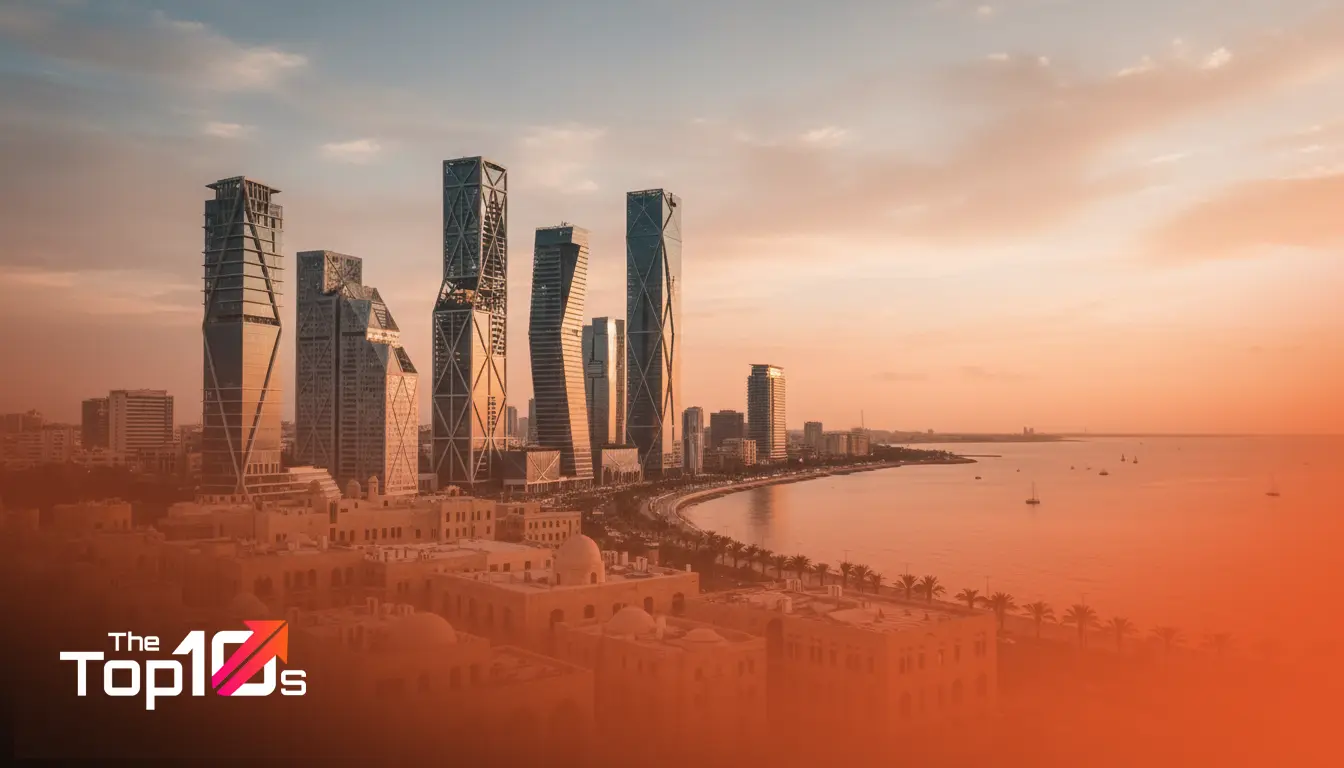
You know that feeling when you walk into a building and everything just flows? The light hits the right spots, the air circulates naturally, and the space feels bigger than it actually is. That isn’t an accident. It’s the result of distinct vision and rigorous planning. But here’s the tricky part: finding the person who can translate the chaotic jumble of ideas in your head into concrete and glass is rarely straightforward.
If you are planning a project in Tripoli, you are dealing with a unique urban fabric. You have the historic weight of the Mamluk architecture in the old city, the chaotic energy of the modern districts, and the specific demands of a coastal Mediterranean climate. You can’t just hire anyone with a drafting table. You need experienced architectural professionals in Tripoli who understand local zoning laws, the humidity factor, and how to navigate the Order of Engineers and Architects.
Finding the right partner is the difference between a project that finishes on time and one that drains your bank account for years. This guide looks at the talent available in the city, helping you understand who does what best.
- Local Knowledge is King: Tripoli’s zoning regulations are specific; ensure your architect has a history of approved permits in the North.
- Specialization Matters: A firm great at commercial high-rises might struggle with a boutique heritage renovation.
- Communication Style: You will be talking to this person for 12+ months. Make sure you actually like how they explain things.
- Full Service vs. Design Only: Decide early if you need someone to manage the construction site or just provide the blueprints.
How We Identified Leading Architects
We didn’t just pull names out of a hat. To create a list that actually helps you, we looked at the indicators that matter most to property owners and developers. We analyzed the standing of various firms within the Northern governance of the Order of Engineers and Architects. We looked for consistency in their portfolios—specifically, do their built projects look as good as their renderings?
We also considered their longevity in the market. Architecture is a high-turnover industry; firms that have sustained operations in Tripoli for over a decade usually possess the operational maturity to handle complex logistics. Finally, we looked at their design philosophy. We sought out professionals who aren’t just copying trends from Pinterest but are creating climate-responsive designs that suit the specific context of North Lebanon.
List of 10 Best Architects in Tripoli
| Name | Best For |
|---|---|
| Nizar Sabbagh Architects | Clients looking for modern residential villas or upscale apartment complexes who want a sleek, international look without ignoring local heritage. |
| PACE (Pan Arab Consulting Engineers) | Corporate developers and government entities planning large-scale mixed-use projects or commercial hubs. |
| Dagher Architects | Residential clients who are worried about budget creep and want a team that keeps a tight rein on the construction phase. |
| Sankari Associates | Real estate developers looking to maximize unit yield while maintaining livability and aesthetic appeal. |
| Cabinet d’Architecture Roger N. Nayyal | Commercial business owners who want their physical location to serve as a branding statement. |
| Zmerly Architects & Engineers | Industrial clients or homeowners building on difficult terrain where engineering expertise is paramount. |
| Accent Design Group (ADG) | Eco-conscious homeowners and forward-thinking businesses wanting to reduce long-term operational costs. |
| IDEA (International Design & Engineering Associates) | Luxury villa owners who want a seamless transition between their architecture and interior décor. |
| Sarraf Engineering & Contracting | Pragmatic investors who want a solid, durable building with zero fuss and efficient execution. |
| Archi-Lab | Startups, creative agencies, or young families wanting a home that breaks away from traditional layouts. |
Top 10 Architects in Tripoli
Here are ten architectural practices and professionals who have demonstrated significant capability, creativity, and technical reliability in the region.
1. Nizar Sabbagh Architects
Nizar Sabbagh has established a reputation for blending modern functionality with the cultural context of the Levant. The firm is known for a clean, contemporary aesthetic that doesn’t feel out of place in the dense urban environment of Tripoli. Their work often features smart use of natural light and ventilation—crucial for the coastal humidity.
Best For: Clients looking for modern residential villas or upscale apartment complexes who want a sleek, international look without ignoring local heritage.
2. PACE (Pan Arab Consulting Engineers)
While a massive regional player, PACE maintains a strong footprint in major Lebanese cities. They are the heavyweights you call for large-scale infrastructure or major commercial developments. Their strength lies in their multidisciplinary approach; they don’t just design the shell, they handle the complex engineering that goes inside it.
Best For: Corporate developers and government entities planning large-scale mixed-use projects or commercial hubs.
3. Dagher Architects
This firm often stands out for its attention to detail and rigorous project management. In a city where construction timelines can be fluid, Dagher Architects is noted for a more disciplined approach to the building process. Their design language often leans towards geometric clarity and structural honesty.
Best For: Residential clients who are worried about budget creep and want a team that keeps a tight rein on the construction phase.
4. Sankari Associates
Sankari Associates has carved out a niche in handling high-density residential projects. They understand how to maximize square footage without making units feel cramped—a vital skill in Tripoli’s growing neighborhoods. Their designs often incorporate communal spaces that foster social interaction, reflecting the city’s traditional community values.
Best For: Real estate developers looking to maximize unit yield while maintaining livability and aesthetic appeal.
5. Cabinet d’Architecture Roger N. Nayyal
For those interested in designs that carry a bit more artistic flair, this practice offers a distinct perspective. Their portfolio often showcases creative façade treatments and innovative material use. They move away from the “concrete box” standard, offering buildings that have a unique visual identity from the street level.
Best For: Commercial business owners who want their physical location to serve as a branding statement.
6. Zmerly Architects & Engineers
A well-known name in the north, Zmerly brings a wealth of engineering stability to their architectural concepts. This is the firm you consider when structural integrity and technical precision are your primary concerns. They have a solid track record with industrial and semi-industrial facilities, alongside residential work.
Best For: Industrial clients or homeowners building on difficult terrain where engineering expertise is paramount.
7. Accent Design Group (ADG)
ADG is often recognized for thinking outside the traditional constraints of Lebanese construction. They are strong proponents of sustainable design practices. If you are interested in energy efficiency—passive cooling, solar integration, or water recycling systems—this team is often ahead of the curve.
Best For: Eco-conscious homeowners and forward-thinking businesses wanting to reduce long-term operational costs.
8. IDEA (International Design & Engineering Associates)
Focusing on the luxury segment, IDEA delivers polished, high-end interiors and exteriors. They are particularly adept at bridging the gap between architecture and interior design, ensuring the outside of the building matches the flow of the inside. Their style is typically rich, detailed, and sophisticated.
Best For: Luxury villa owners who want a seamless transition between their architecture and interior décor.
9. Sarraf Engineering & Contracting
While heavily rooted in engineering and contracting, their architectural division is practical and highly effective. They are excellent at “buildable” design. You won’t get a design that is impossible to construct or costs triple the estimate. They design with the construction process in mind from day one.
Best For: Pragmatic investors who want a solid, durable building with zero fuss and efficient execution.
10. Archi-Lab
A younger, more experimental studio compared to the giants on this list, Archi-Lab is where you go for fresh ideas. They are often willing to take risks with layout and form that older firms might avoid. Their work resonates with a younger demographic looking for loft-style living or creative office spaces.
Best For: Startups, creative agencies, or young families wanting a home that breaks away from traditional layouts.
What Defines a Great Architect in Tripoli?
Tripoli isn’t Beirut, and it certainly isn’t Dubai. A great architect here needs specific competencies that go beyond making pretty drawings.
Mastery of the Climate
The salt air in Tripoli is relentless. A talented local architect knows which materials will rust in three years and which will last for thirty. They understand how to position a building to catch the prevailing western breeze while shielding the interior from the intense afternoon sun. If they aren’t talking about cross-ventilation in the first meeting, that’s a red flag.
Navigating the Chaos
Let’s be honest: zoning and permitting can be a headache. The best professionals have a deep working relationship with the Order of Engineers and Architects. They know the inspectors, they understand the loopholes (the legal ones), and they know how to push paperwork through the bureaucracy efficiently.
Heritage Sensitivity
Even if you are building new, you are likely near something old. The best designers respect the city’s Mamluk and Ottoman history. They don’t necessarily copy it, but they design buildings that don’t scream for attention in a disrespectful way. They use local stone or referenced geometries that tie the new structure to the city’s roots.
How to Choose the Right Architect for Your Needs
Selecting from the list above is just the first step. You need to vet them for your specific situation. Here is a framework to help you decide.
1. Define Your Scope Clearly
Are you looking for a conceptual design, or do you need full “turnkey” service where the architect manages the contractors? Design constraints in North Lebanon often mirror those handled by the top 10 architects in Irbid, particularly regarding climate and urban density, so understanding exactly how much help you need is vital before you sign a contract.
2. Ask About “Site Supervision”
In Tripoli, the disconnect between what is on the plan and what the contractor builds can be wide. Ask the architect: “How often will you be on-site?” You want an architect who isn’t afraid to get mud on their boots to ensure the rebar is tied correctly.
3. Review the Bill of Quantities (BOQ) Approach
Ask them how accurate their budget estimates usually are. A beautiful design is useless if it costs 40% more than you have. A trustworthy architect will be conservative with numbers and warn you about volatile material prices.
Frequently Asked Questions
Do I need a registered architect for a small renovation in Tripoli?
Generally, yes. If you are making structural changes or altering the façade, you need a permit, and that requires a stamp from a registered member of the Order of Engineers and Architects. For minor interior cosmetic work (painting, tiling), you usually do not.
How much do architects in Tripoli charge?
Fees vary wildly. Some charge a percentage of the total construction cost (typically 5% to 15%), while others charge a lump sum per square meter. Be wary of fees that seem too low; they often make up for it by doing less detailed drawings, which leads to expensive mistakes on site.
Can my architect also be my contractor?
Some firms offer “Design-Build” services where they handle everything. This can simplify communication, but it removes the system of checks and balances. If the architect is also the builder, there is no one to police the quality of the construction independently.
How long does the design process take?
For a standard single-family home, expect the design and permitting phase to take 3 to 6 months before ground is broken. Complex commercial projects can take significantly longer depending on municipal approvals.
What is the difference between an architect and a civil engineer?
Think of the architect as the composer and the engineer as the musician. The architect focuses on the look, flow, and function of the space. The civil engineer ensures the building stands up and calculates the loads. In Tripoli, you need both signatures for your permit.
Building with Confidence
Your choice of architect will dictate the quality of your daily life for years to come. Whether you are looking at the established technical prowess of a firm like Zmerly or the boutique design approach of Nizar Sabbagh, the goal is the same: finding a partner who listens.
Don’t rush the interview process. Visit their completed buildings. Talk to their past clients—not just the happy ones, but the ones who had complicated projects. The right architect in Tripoli acts as your advocate, protecting your vision and your budget against the inevitable surprises of construction. Choose someone who sees your project not just as another job, but as a contribution to the city’s skyline.