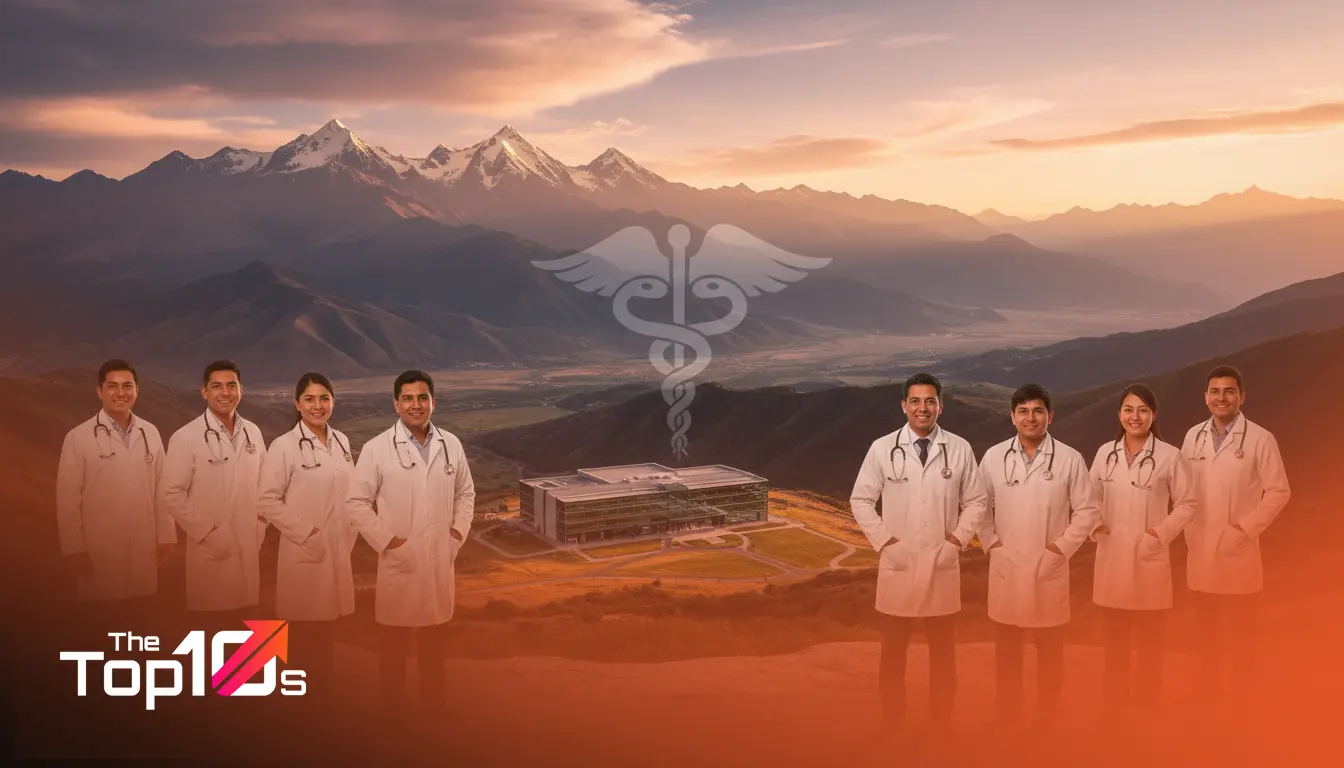
Ever tried explaining a sharp pain in your side using nothing but broken Spanish and hand gestures? It is a terrifying scenario, yet it happens to travelers and expats frequently. Finding reliable healthcare abroad isn’t just about locating a hospital; it’s about finding a professional who listens, understands, and possesses the expertise to solve your problem.
Bolivia presents a unique medical environment. While the public system faces resource challenges, the private sector in cities like Santa Cruz, La Paz, and Cochabamba boasts world-class talent. Many of the best doctors in Bolivia trained in the United States, Europe, or Brazil, bringing international standards back home.
If you are looking for top-rated physicians in Bolivia, you need more than just a phone book. You need context on who leads their field, who speaks your language, and who has the steadiest hands. This guide cuts through the noise to highlight medical specialists who have earned their reputation through decades of successful treatments.
Quick Takeaways: Finding Care in Bolivia
- Location Matters: The highest concentration of advanced technology and specialists is found in Santa Cruz de la Sierra and La Paz (Zona Sur).
- Language Barriers: Many top-tier private doctors speak fluent English, often having completed residencies abroad.
- Cash vs. Insurance: While many accept international insurance, upfront cash payment is standard, with reimbursement filed later.
- Appointments: Private specialists are accessible, often with much shorter wait times than in North America or Europe.
How We Identified These Leading Specialists
Selecting medical professionals for a list like this requires looking beyond a simple Google rating. Online stars can be bought, but peer respect cannot. To curate this group of medical specialists in Bolivia, we analyzed several critical indicators of quality.
First, we looked at clinical longevity. Medicine is a practice, and years spent handling complex cases matter. We prioritized physicians who have not only practiced for over 15 years but have also held leadership positions in medical societies.
Second, we examined international exposure. Doctors who actively participate in global conferences or hold board certifications from neighboring countries or the U.S. tend to stay updated on the latest protocols. This is crucial in fields like oncology and cardiology, where guidelines change rapidly.
Finally, we considered patient accessibility and facility affiliation. A brilliant doctor is of little use if they operate out of a clinic with outdated equipment. The professionals listed below are generally associated with Bolivia’s most reputable private clinics, ensuring that their skill is matched by the technology at their disposal.
List of 10 Best Doctors in Bolivia
| SNO | Name | Best for |
|---|---|---|
| 1 | Dr. Douglas Villarroel | Diabetes and hormonal health |
| 2 | Dr. Herland Vaca Diez | Dialysis management and kidney function |
| 3 | Dr. Luciano Gutiérrez | Fertility and high-risk pregnancies |
| 4 | Dr. Nadir Salaues | Cosmetic reconstruction and rhinoplasty |
| 5 | Dr. Carlos Ibáñez | Cancer diagnosis and treatment |
| 6 | Dr. Remberto Calvo | Heart health at high altitude |
| 7 | Dr. Silvia Fernández | Autoimmune diseases and arthritis |
| 8 | Dr. Heinz Walter Straus | Orthopedic surgery and trauma |
| 9 | Dr. Jose Luis Camacho | Vision correction and cataract surgery |
| 10 | Dr. Cecilia Uribe | Skin cancer prevention and treatment |
Top 10 Doctors in Bolivia
These professionals represent the upper echelon of Bolivian healthcare, covering a range of vital specializations from heart health to cosmetic reconstruction.
1. Dr. Douglas Villarroel (Endocrinology)
When discussing diabetes and hormonal health in Bolivia, Dr. Villarroel’s name invariably comes up. Based in Santa Cruz, he has become a leading voice in Latin American endocrinology. His approach goes beyond writing prescriptions; he is heavily involved in patient education and public health awareness regarding diabetes management.
Why he stands out: Dr. Villarroel is known for his ability to explain complex metabolic processes in simple terms. For expats managing chronic conditions like thyroid disorders or Type 2 diabetes, his thorough, evidence-based approach provides significant peace of mind. He frequently updates his methods based on the latest international research.
2. Dr. Herland Vaca Diez (Nephrology)
Kidney health is a critical field, and Dr. Vaca Diez is a heavyweight in this arena. Having served specifically in the Santa Cruz region, he has been instrumental in advancing renal care standards, including transplantation protocols. His career is marked by a dedication to tackling severe renal insufficiency cases that other clinics might turn away.
Best suited for: Patients requiring dialysis management or those with complex history regarding kidney function. His reputation suggests a doctor who is direct, highly experienced, and focused on long-term survival rates.
3. Dr. Luciano Gutiérrez (Gynecology & Obstetrics)
For women’s health, particularly regarding fertility and high-risk pregnancies, Dr. Gutiérrez is a premier choice in La Paz. Operating out of the highly respected Centro de Vida, he has helped introduce modern assisted reproduction technologies to the high-altitude region.
Patient experience: Women often report that Dr. Gutiérrez balances clinical precision with empathy. Dealing with fertility issues is emotionally taxing, and having a specialist who acknowledges the psychological aspect of the treatment is invaluable. He is also a go-to for routine but comprehensive gynecological care.
4. Dr. Nadir Salaues (Plastic & Reconstructive Surgery)
Bolivia has become a quiet hub for medical tourism in cosmetic surgery, and Dr. Salaues is one of the reasons why. He is board-certified and recognized for his meticulous attention to aesthetic balance. Unlike surgeons who offer “cookie-cutter” results, Salaues is praised for natural-looking outcomes in rhinoplasty and body contouring.
The approach: He emphasizes safety above all else. In an industry where cutting corners can be fatal, Dr. Salaues is known for rigorous pre-operative screening to ensure patients are physically ready for surgery.
5. Dr. Carlos Ibáñez (Oncology)
A cancer diagnosis is overwhelming, especially in a foreign country. Dr. Ibáñez is a distinguished oncologist known for bringing structure and clarity to chaos. He is deeply familiar with modern chemotherapy protocols and targeted therapies. His work often involves multidisciplinary coordination, ensuring that surgery, radiation, and medication are perfectly synchronized.
Why choose him: Oncology requires a doctor who fights for the patient. Dr. Ibáñez has a reputation for tenacity and for being transparent about prognosis and treatment options, which allows families to make informed decisions without false hope.
6. Dr. Remberto Calvo (Cardiology)
Heart health at high altitude—especially in cities like La Paz and El Alto—presents unique physiological challenges. Dr. Calvo is an authority on cardiovascular health. He has extensive experience treating both acute coronary syndromes and chronic heart failure.
Specialized context: What makes Dr. Calvo particularly valuable is his understanding of how altitude affects blood pressure and oxygenation. For an expat moving from sea level to the Andes, having a cardiologist who understands “altitude sickness” versus a genuine cardiac event is vital.
7. Dr. Silvia Fernández (Rheumatology)
Autoimmune diseases and arthritis can severely impact quality of life. Dr. Fernández is widely respected for her diagnostic acumen in Rheumatology. Autoimmune conditions are notoriously difficult to pin down, often requiring a detective’s mindset. Dr. Fernández is known for listening to the “small symptoms” that other doctors might dismiss.
Best for: Patients suffering from unexplained joint pain, Lupus, or Rheumatoid Arthritis. Her management plans focus heavily on preserving mobility and reducing inflammation to maintain a normal lifestyle.
8. Dr. Heinz Walter Straus (Traumatology & Orthopedics)
Whether it is a sports injury or a degenerative joint issue, Dr. Straus is a leading name in orthopedic surgery. His practice covers everything from arthroscopic knee surgeries to complex hip replacements. In a country with rugged terrain where trekking accidents are common, having a skilled trauma surgeon is essential.
Clinical strengths: Patients appreciate his conservative approach; he typically explores physical therapy and non-invasive options before recommending the operating room. When surgery is necessary, his infection control and recovery protocols are top-tier.
9. Dr. Jose Luis Camacho (Ophthalmology)
Eye care in Bolivia has seen massive technological leaps, and Dr. Camacho is at the forefront of this evolution. Specializing in vision correction and cataract surgery, he utilizes state-of-the-art laser technology. Vision is fragile, and Dr. Camacho’s precision has earned him trust among thousands of patients in Santa Cruz.
Technology focus: He is known for investing in the latest diagnostic imaging, allowing for early detection of glaucoma and retinal issues that standard eye exams might miss.
10. Dr. Cecilia Uribe (Dermatology)
High-altitude sun exposure is brutal on the skin. Dr. Uribe is a leading dermatologist who handles both cosmetic concerns and serious skin pathologies like melanoma. Located in La Paz, she sees the direct effects of UV radiation daily and is an expert in skin cancer prevention and treatment.
Why she makes the list: Beyond medical treatment, she offers guidance on skincare regimens suited for the dry, high-altitude climate, making her a favorite among the expat community struggling with the harsh environmental changes.
Characteristics of High-Quality Bolivian Healthcare
Understanding the healthcare culture in Bolivia helps manage expectations. The best doctors here share a few common traits that distinguish them from the average practitioner.
Personalized Attention
Unlike the “assembly line” feel of some Western healthcare systems where appointments are capped at 15 minutes, Bolivian specialists often spend significant time with patients. They ask about family, lifestyle, and stress levels. This holistic view often leads to better diagnoses because they get the full picture, not just a symptom list.
Resourcefulness
While top clinics have great equipment, the broader medical environment requires doctors to be incredibly resourceful. The best physicians here have honed their physical examination skills to a fine art. They rely less on ordering unnecessary battery tests and more on clinical observation and targeted diagnostics.
Choosing the Right Physician for Your Needs
Even with a list of great names, you need to filter for your specific situation. Here is a practical framework for making your choice.
Check Hospital Affiliations
Talented doctors tend to congregate. Look for doctors accredited at major institutions like Clínica Foianini in Santa Cruz or Clínica del Sur in La Paz. If a doctor has admitting privileges at these top-tier facilities, they have already passed a rigorous vetting process.
Consult Peer Networks
Expats talk. If you are in Bolivia, join local Facebook community groups or expat forums. Personal recommendations often reveal details about bedside manner and English fluency that official bios omit. If you happen to be traveling through the region and need comparisons, you might also research the top medical professionals in Belize or other nearby countries to understand the varying standards of care across Latin America.
Verify the “Especialidad”
Ensure your doctor is a registered specialist with the Colegio Médico de Bolivia. A general practitioner (Médico General) is fine for a cold, but for specific conditions, you want someone with a “Registro de Especialista.”
Frequently Asked Questions
Do Bolivian doctors speak English?
Many specialists in the private sector speak English, particularly those in Santa Cruz and La Paz who completed fellowships in the US or Europe. However, nursing staff and receptionists often speak only Spanish, so having a translation app or a local friend can be helpful for administrative tasks.
Is healthcare in Bolivia expensive?
Compared to the US, it is incredibly affordable. A consultation with a top specialist might cost between $40 and $80 USD. However, complex surgeries requiring imported hardware (like titanium plates for fractures) can still be costly, though usually a fraction of North American prices.
Can I use my international insurance?
Yes, but usually on a reimbursement basis. Major clinics in Santa Cruz often have direct billing agreements with carriers like BUPA or Cigna, but for individual doctor visits, you will likely pay cash upfront and file a claim later.
Are the credentials of Bolivian doctors recognized globally?
The medical degree itself is valid, but recognition depends on the country. However, the training is often world-class. Many Bolivian doctors hold memberships in American or European medical associations, adhering to those global standards of care.
Taking the Next Step for Your Health
Your health is not an area for compromise. While Bolivia’s medical landscape can seem difficult to navigate at first, the talent pool at the top is deep and capable. The doctors listed above represent the best of what the country has to offer—professionals who combine modern medical knowledge with a level of personal care that is becoming rare elsewhere.
Do not wait for an emergency to find a doctor. If you are living in or visiting Bolivia for an extended period, book a preventative check-up with one of these specialists. establishing that relationship now ensures that if a crisis ever arises, you are already in safe hands.