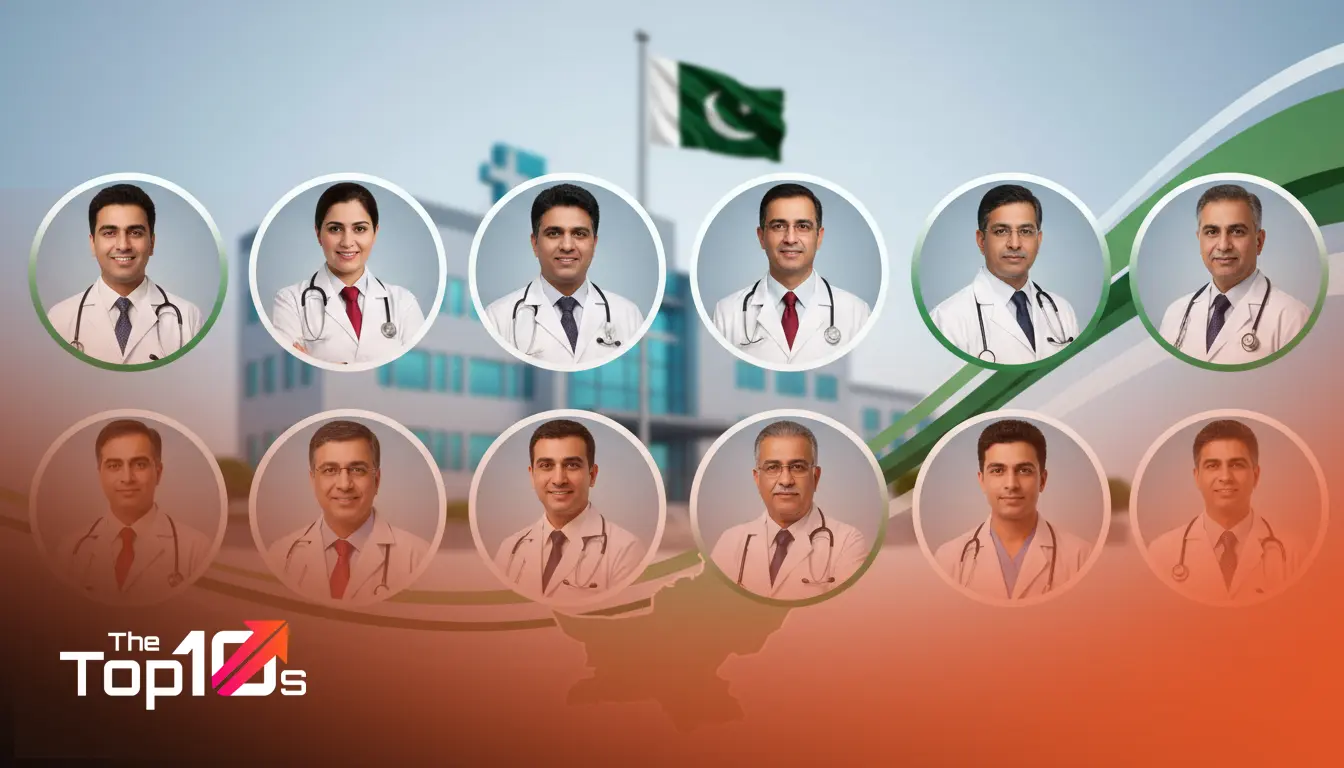
Finding a trustworthy healthcare provider isn’t just about reading a list of qualifications; it’s about entrusting your well-being, or the health of a loved one, to a stranger. That moment when you sit in a waiting room, hoping the person on the other side of the door actually listens to you? That is a universal source of anxiety. In a country as populous as Pakistan, sifting through thousands of practitioners to find the best doctors in Pakistan can feel like finding a needle in a haystack.
You aren’t just looking for a medical degree. You want someone who combines clinical brilliance with genuine empathy. Whether you need a cardiologist in Karachi or a neurologist in Lahore, the quality of care varies significantly. High-quality healthcare is available here, but knowing where to look is half the battle.
This guide cuts through the noise. We aren’t just listing names; we are highlighting professionals who have shaped the medical landscape through decades of service, advanced training, and patient trust. These are the top-rated physicians in Pakistan who have earned their reputations one patient at a time.
Quick Takeaways
- Credentials Matter: Always verify PMDC (Pakistan Medical & Dental Council) registration before booking.
- Specialization over Generalization: For chronic issues, seek medical specialists in Pakistan rather than general practitioners.
- Wait Times: The most in-demand doctors often have longer waiting lists; book well in advance.
- Location: Many top doctors practice in major hubs like Karachi, Lahore, and Islamabad.
How We Evaluated These Medical Leaders
You might be wondering how a list like this comes together. It isn’t random. We didn’t just pick names out of a hat or look at who has the fanciest Instagram page. To determine who truly stands out in the medical field, we looked at a specific set of criteria that reflects real-world competence.
First, we considered clinical endurance. A doctor who has been practicing for twenty years sees patterns and nuances that a fresh graduate might miss. Experience is often the best teacher in medicine.
Next, we looked at peer recognition and board certifications. Are they recognized by international bodies? Do they hold fellowships from prestigious institutions like the FCPS (Pakistan), FRCS (UK), or verifyable American boards? These accolades indicate a commitment to global standards.
Finally, we factored in patient sentiment. While online reviews can be skewed, consistent feedback regarding a doctor’s bedside manner, willingness to explain diagnoses, and ethical conduct paints a clear picture. The goal is to highlight professionals who treat the person, not just the disease.
List of 10 Best Doctors in Asia
| SNO | Name | Best For |
|---|---|---|
| 1 | Prof. Dr. Adib Rizvi | Complex renal issues, kidney transplants, and dialysis management. |
| 2 | Dr. Faisal Saud Dar | Patients suffering from liver failure, cirrhosis, or those requiring hepatobiliary surgery. |
| 3 | Prof. Dr. Javed Akram | Autoimmune diseases, complex hypertension, and undiagnosed chronic conditions. |
| 4 | Dr. Kamran Cheema | Chronic obstructive pulmonary disease (COPD), severe asthma, and critical respiratory infections. |
| 5 | Prof. Dr. Arshad Chohan | High-risk obstetrics, infertility treatments, and complex gynecological surgeries. |
| 6 | Dr. Tipu Sultan | Chronic pain management and consultation regarding critical care support. |
| 7 | Dr. Syed Abbas Raza | Diabetes management, thyroid disorders, and hormonal imbalance issues. |
| 8 | Dr. Abdul Bari Khan | Pediatric heart defects and adult cardiac bypass evaluations. |
| 9 | Dr. Zafar Ali Choudry | Epilepsy, spinal cord issues, and stroke rehabilitation planning. |
| 10 | Dr. M. Naseem Baloch | Hepatitis management, IBS, and gastrointestinal bleeding issues. |
The Top 10 Doctors In Pakistan
The following professionals represent the pinnacle of medical care in the region. They span various specialties, from transplant surgery to pediatrics, and are recognized for their contributions to public health and individual patient care.
1. Prof. Dr. Adib Rizvi – Urology & Transplant Surgery
You cannot talk about healthcare in Pakistan without mentioning Dr. Adib Rizvi. He is more than a doctor; he is an institution. As the founder of the Sindh Institute of Urology and Transplantation (SIUT), Dr. Rizvi pioneered the philosophy that healthcare is a fundamental human right, not a privilege.
Why He Stands Out:
He specializes in kidney transplants and urological disorders. His approach is unique because he champions “free with dignity” healthcare. While it is difficult to get a direct appointment with him personally due to his administrative load and seniority, his oversight at SIUT ensures world-class care standards.
Best Suited For: Complex renal issues, kidney transplants, and dialysis management.
2. Dr. Faisal Saud Dar – Liver Transplant Surgery
Liver disease is rampant in Pakistan, largely due to high rates of Hepatitis. Dr. Faisal Saud Dar emerged as a beacon of hope in this arena. Serving as the Dean and Chief of Liver Transplant at the Pakistan Kidney and Liver Institute (PKLI), he is responsible for saving countless lives through complex surgical interventions.
Notable Achievements:
Dr. Dar is credited with establishing one of the most successful liver transplant programs in the country. His surgical precision and success rates are comparable to international centers.
Best Suited For: Patients suffering from liver failure, cirrhosis, or those requiring hepatobiliary surgery.
3. Prof. Dr. Javed Akram – Internal Medicine
Sometimes, you have symptoms that don’t fit a neat little box. That is where an expert in internal medicine comes in. Prof. Dr. Javed Akram is a heavyweight in this field. With a massive list of research papers and academic roles, he brings a scholarly rigor to clinical diagnosis.
Why He Stands Out:
He doesn’t just treat symptoms; he hunts for the root cause. His deep understanding of how different body systems interact makes him exceptional at managing complex, multi-system diseases.
Best Suited For: Autoimmune diseases, complex hypertension, and undiagnosed chronic conditions.
4. Dr. Kamran Cheema – Pulmonology
Breathing issues can be terrifying. Dr. Kamran Cheema has established himself as a leading authority on chest and respiratory diseases in Lahore. With the rise of smog and respiratory ailments in Punjab, his expertise is more relevant than ever.
Professional Background:
He serves at Services Hospital and has a private practice known for rigorous asthma and COPD management protocols. He is known for being direct and data-driven in his treatment plans.
Best Suited For: Chronic obstructive pulmonary disease (COPD), severe asthma, and critical respiratory infections.
5. Prof. Dr. Arshad Chohan – Gynecology & Obstetrics
Navigating pregnancy or reproductive health requires a doctor who is both highly skilled and incredibly patient. Prof. Dr. Arshad Chohan is a distinguished name in Lahore’s medical circles. A former Vice Chancellor of King Edward Medical University, his clinical acumen is backed by decades of teaching the next generation of doctors.
Why He Stands Out:
He is particularly noted for handling high-risk pregnancies where complications are likely. His calm demeanor under pressure provides reassurance to expectant families.
Best Suited For: High-risk obstetrics, infertility treatments, and complex gynecological surgeries.
6. Dr. Tipu Sultan – Anesthesiology & Critical Care
We often overlook anesthesiologists, yet they are the ones keeping us alive during surgery. Dr. Tipu Sultan is a legend in critical care in Karachi. His work extends beyond the operating room into palliative care and pain management.
Notable Achievements:
He has been instrumental in setting up intensive care protocols that prevent post-surgical complications. His focus on pain management helps patients recover with dignity and less suffering.
Best Suited For: Chronic pain management and consultation regarding critical care support.
7. Dr. Syed Abbas Raza – Endocrinology
With diabetes rates soaring in Pakistan, a skilled endocrinologist is essential. Dr. Syed Abbas Raza is a top-tier specialist dealing with hormonal imbalances. He has served as the President of the Pakistan Endocrine Society, cementing his status as a thought leader.
Why He Stands Out:
He focuses heavily on patient education. Dr. Raza believes that managing diabetes or thyroid issues is 90% lifestyle and patient understanding, and 10% medication. He empowers his patients to take control.
Best Suited For: Diabetes management, thyroid disorders, and hormonal imbalance issues.
8. Dr. Abdul Bari Khan – Cardiac Surgery
Dr. Abdul Bari Khan is the vision behind The Indus Hospital network. A cardiac surgeon by trade, his contribution goes beyond holding a scalpel. He envisioned a system where heart surgery wasn’t reserved for the wealthy.
Professional Background:
While he is heavily involved in administration now, his team and his protocols for cardiac care are among the best in Karachi. He set a standard for compassionate cardiac care that many others try to emulate.
Best Suited For: Pediatric heart defects and adult cardiac bypass evaluations.
9. Dr. Zafar Ali Choudry – Neurology
Neurological issues can be subtle and devastating. Prof. Dr. Zafar Ali Choudry offers a wealth of experience in treating disorders of the brain and spine. Based in Lahore, he is known for a conservative approach—recommending surgery only when absolutely necessary.
Why He Stands Out:
His diagnostic skills are sharp. Many patients visit him for second opinions on spinal surgeries, often finding relief through non-invasive treatments he prescribes.
Best Suited For: Epilepsy, spinal cord issues, and stroke rehabilitation planning.
10. Dr. M. Naseem Baloch – Gastroenterology
Digestive health impacts your entire life. Dr. Naseem Baloch is a highly respected gastroenterologist in Karachi. He is known for his proficiency in endoscopy and colonoscopy procedures, ensuring accurate diagnoses for stomach and intestinal issues.
Notable Achievements:
He is praised for his gentle approach during invasive diagnostic procedures, which reduces patient anxiety significantly.
Best Suited For: Hepatitis management, IBS, and gastrointestinal bleeding issues.
What Defines a Great Doctor in the Pakistani Context?
Standards of care differ from country to country. In Pakistan, a “great” doctor has to be more than just clinically smart; they have to be a navigator.
The healthcare system here is fragmented. There is no central database linking all your records. Therefore, a top-tier doctor acts as a detective. They ask the right questions to piece together your history because they know they can’t rely on a previous hospital’s digital file.
Furthermore, accessibility is a major factor. The best doctors realize that patients travel from rural areas—places like Interior Sindh or Southern Punjab—to see them. They structure their clinics to maximize the value of that one visit, often coordinating tests and consultations in a single day to accommodate travelers.
How to Choose the Right Specialist for Your Needs
Selecting from the best doctors in Pakistan requires a bit of homework. Don’t just rely on a friend’s recommendation. Here is a practical framework to help you decide.
Check the PMDC Status
Every legitimate doctor must be registered with the Pakistan Medical & Dental Council. You can actually verify their registration number online. If a doctor cannot provide this, walk away immediately.
Hospital Affiliation
Where does the doctor practice? Top specialists usually have admitting privileges at major, reputable hospitals like Aga Khan University Hospital, Shifa International, or Doctors Hospital. If a doctor only operates out of a small, obscure clinic with no emergency backup, consider the risks.
Consider the Global Context
Sometimes, patients look for benchmarks to compare local care against. Whether you are researching the top 10 doctors in Wyoming for a relative abroad or a specialist in Islamabad, the vetting process remains similar: look for board certifications, patient outcomes, and clean disciplinary records.
Read Between the Lines of Reviews
When looking at Google reviews or forums like Marham and Oladoc, ignore the comments about “parking was bad” or “receptionist was rude.” Look for comments about the doctor’s actual care. Did the treatment work? Did the doctor explain the side effects? That is the data you need.
Frequently Asked Questions
How do I verify if a doctor in Pakistan is qualified?
You can verify any doctor’s credentials by visiting the PMDC (Pakistan Medical & Dental Council) website and entering their registration number or name. This confirms they are legally allowed to practice.
Are appointments with top doctors expensive?
Yes, consultation fees for top-tier specialists usually range from PKR 2,000 to PKR 5,000 (or more). However, government-affiliated professors often have different fee structures in public hospital OPDs compared to their private evening clinics.
Can I get an online consultation with these doctors?
Since the pandemic, many leading doctors in Pakistan have adopted telemedicine. Platforms like Oladoc or Shifaam often facilitate video consultations, which is excellent for follow-ups but less ideal for initial diagnoses.
Do these doctors accept health insurance?
This depends on the hospital rather than the individual doctor. Corporate health insurance is widely accepted at major hospitals like Aga Khan, Shifa, and South City, but private clinics often operate on a cash-only basis.
Taking the Next Step for Your Health
Your health is your most valuable asset. While this list of the top 10 doctors in Pakistan is a strong starting point, the right choice ultimately depends on your specific personal needs and comfort level. Don’t wait for a medical emergency to find a specialist.
Take action today. Identify the specialist relevant to your current health needs, verify their current clinic hours, and book a consultation. Even a simple check-up can prevent major issues down the road. You deserve care that is competent, compassionate, and trustworthy.