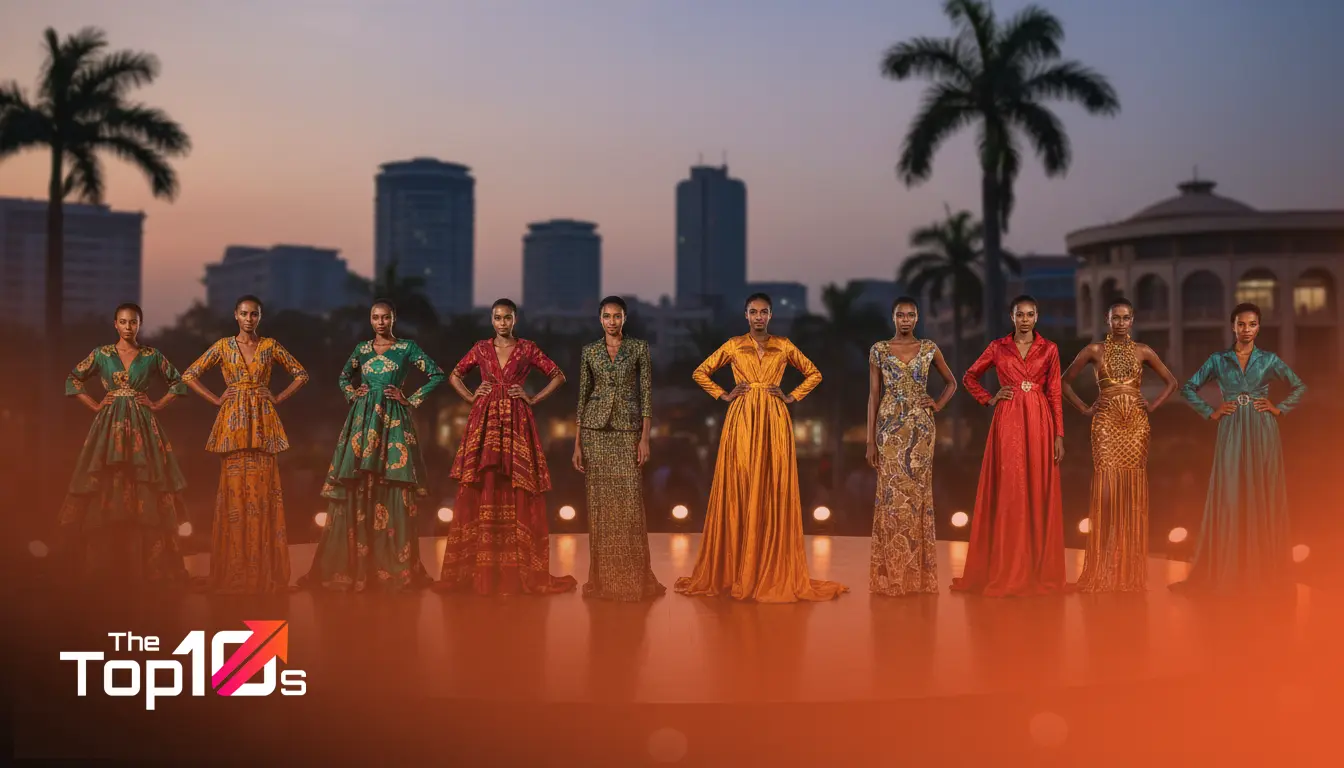
Walk through the bustling streets of Bole or the historic avenues of Piazza, and you quickly realize something: Addis Ababa isn’t just a political capital; it is a burgeoning powerhouse of style. The local aesthetic is shifting. We are seeing a fascinating departure from strictly traditional Habesha kemis toward a fusion that respects the loom while embracing global silhouettes.
For anyone looking to invest in Ethiopian fashion, the challenge isn’t finding talent—it’s filtering through the noise to find professionalism. You might be wondering where to find a designer who understands the delicate weight of hand-spun cotton yet can deliver a suit sharp enough for a boardroom in New York or London. It’s about finding that sweet spot between heritage and wearability.
This guide cuts through the hype. We are looking at the creatives who are actually shaping the industry, managing supply chains, and delivering quality garments that stand the test of time.
Quick Takeaways: The Addis Fashion Scene
- Handwoven is King: The best designers almost exclusively use Shemane (traditional weavers) for their textiles, meaning fabric production takes time.
- Fusion is the Standard: Top-tier creators are blending traditional Tibeb patterns with bomber jackets, trench coats, and cocktail dresses.
- Lead Times Matter: Unlike fast fashion, custom pieces in Addis often require 2–4 weeks due to the manual nature of spinning and weaving cotton.
- Ethical Production: Most reputable studios operate on a slow-fashion model, supporting local artisan communities directly.
How We Identified Leading Fashion Designers
Curating a list of this nature requires more than just scrolling through Instagram follower counts. Influence metrics can be bought; craftsmanship cannot. To select the designers below, we analyzed several critical factors that indicate a brand’s maturity and reliability.
First, we looked at consistency in production. It is one thing to produce a stunning showpiece for a runway at Hub of Africa Fashion Week; it is another to consistently deliver well-tailored garments to clients year-round. We prioritized designers who have established studios or reliable retail presences.
We also examined textile innovation. The standout professionals in this market are those who work directly with weavers to create proprietary patterns or fabric weights, rather than simply buying generic stock from the market. Finally, we considered their range of versatility—specifically, their ability to translate Ethiopian heritage into garments that function in a modern, often international, lifestyle.
List of 10 Best Fashion Designers in Addis Ababa
| SNO | Name | Best For |
|---|---|---|
| 1 | Mahlet Afework (Mafi Mafi) | The younger, trend-conscious buyer looking for streetwear-inspired pieces, bomber jackets, or versatile dresses that work with sneakers as well as heels. |
| 2 | Fikirte Addis (Yefikir Design) | Women seeking elegance and comfort. Her pieces are perfect for formal events where you want to project sophistication without sacrificing ease of movement. |
| 3 | Genet Kebede (Paradise Fashion) | International buyers and tourists looking for reliable sizing, high-end resort wear, and scarves that drape perfectly. |
| 4 | Kunjina Tesfaye | The avant-garde enthusiast who wants a piece that stands out in an art gallery or a creative office setting. |
| 5 | The Yohannes Sisters | Red carpet events, galas, and high-stakes weddings. This is luxury occasion wear designed to turn heads. |
| 6 | Sammy Ethiopia | Those looking for world-class accessories, leather bags, and minimalist outer layers that scream “expensive” in a whisper. |
| 7 | Abugida Fashion | The socially conscious consumer who wants a garment with a strong backstory and a rugged, chic aesthetic. |
| 8 | Mastewal Alemu | Bridesmaids, graduation attendees, and anyone needing a reliable, beautiful semi-formal outfit without a six-month wait. |
| 9 | Zaaf Collection | The corporate traveler or executive who wants a signature piece that bridges the gap between Addis Ababa and Wall Street. |
| 10 | Menby’s Design | Traditional weddings (Melse) and religious holidays where respecting cultural norms is key, but you still want a modern fit. |
Top 10 Fashion Designers in Addis Ababa
Here are the creative minds currently setting the standard for quality and design in the Ethiopian capital.
1. Mahlet Afework (Mafi Mafi)
If you talk about modern Ethiopian fashion, Mahlet Afework’s name usually comes up first. Starting her career as a teenager, she has matured into a designer who fiercely protects the ancient weaving culture while pushing it into the future. Her work often features bold, geometric Tibeb patterns placed on relaxed, contemporary cuts.
Best Suited For: The younger, trend-conscious buyer looking for streetwear-inspired pieces, bomber jackets, or versatile dresses that work with sneakers as well as heels.
2. Fikirte Addis (Yefikir Design)
Fikirte Addis brings a psychological depth to her work. As a former child psychologist, she approaches fashion as a means of comfort and cultural pride. Her designs tend to be softer, more flowing, and deeply rooted in the traditional white cotton aesthetic but reimagined with subtle, intricate embroidery.
Best Suited For: Women seeking elegance and comfort. Her pieces are perfect for formal events where you want to project sophistication without sacrificing ease of movement.
3. Genet Kebede (Paradise Fashion)
A veteran in the industry, Genet Kebede has been a stabilizing force in Ethiopian fashion since the early 90s. Paradise Fashion is renowned for its sheer consistency and the incredibly high quality of its hand-woven fabrics. Genet has spent decades refining the drape of Ethiopian cotton, making it feel luxurious rather than rustic.
Best Suited For: International buyers and tourists looking for reliable sizing, high-end resort wear, and scarves that drape perfectly.
4. Kunjina Tesfaye
Kunjina represents the rebellious spirit of the new generation. She often moves away from the traditional white base, experimenting with architectural shapes, asymmetry, and darker color palettes. Her work feels less like “souvenir” clothing and more like high-concept ready-to-wear.
Best Suited For: The avant-garde enthusiast who wants a piece that stands out in an art gallery or a creative office setting.
5. The Yohannes Sisters
Run by sisters Lilly and Zeze, this brand is synonymous with Ethiopian glamour. They specialize in high-octane evening wear that marries Western couture techniques with Ethiopian ornamentation. Their gowns often feature heavy embellishment, velvet accents, and dramatic silhouettes.
Best Suited For: Red carpet events, galas, and high-stakes weddings. This is luxury occasion wear designed to turn heads.
6. Sammy Ethiopia
While many designers focus on the local market, Sammy Ethiopia has successfully cracked the luxury export code. Known for impeccable leather goods and textiles, the brand focuses on understated luxury. The aesthetic here is minimal, letting the texture of the leather and the weave of the cotton speak for itself.
Best Suited For: Those looking for world-class accessories, leather bags, and minimalist outer layers that scream “expensive” in a whisper.
7. Abugida Fashion
Led by Hiwot Gashaw, Abugida is fantastic at transforming traditional workwear and military inspirations into feminine, wearable art. The brand often recycles materials and focuses heavily on social impact, training women from marginalized backgrounds.
Best Suited For: The socially conscious consumer who wants a garment with a strong backstory and a rugged, chic aesthetic.
8. Mastewal Alemu
Mastewal has carved out a niche for accessible luxury. Her brand manages to maintain the intricate hand-finishing expected of Ethiopian design but offers it at a price point and turnaround time that is slightly more accessible than the ultra-high-end couture houses.
Best Suited For: Bridesmaids, graduation attendees, and anyone needing a reliable, beautiful semi-formal outfit without a six-month wait.
9. Zaaf Collection
Founded by Abai Schulze, Zaaf is technically an accessories-first brand, but their expansion into apparel warrants a spot here. They merge premium leather with handwoven textiles in a way that feels incredibly polished. Their jackets and travel bags are status symbols in Addis.
Best Suited For: The corporate traveler or executive who wants a signature piece that bridges the gap between Addis Ababa and Wall Street.
10. Menby’s Design
Menby represents the classic evolution of the Habesha kemis. She respects the rules of the traditional dress—the cross motifs, the chiffon overlays—but updates them with better tailoring and modern necklines. It is tradition, sharpened.
Best Suited For: Traditional weddings (Melse) and religious holidays where respecting cultural norms is key, but you still want a modern fit.
What Defines a Great Fashion Designer in Addis Ababa?
Identifying talent in this region requires a different lens than you might use in Paris or Milan. In Ethiopia, a great designer is defined by their relationship with the Shemane (weaver). Since the fabric is not bought off a roll in a factory, the designer must effectively communicate complex patterns to an artisan sitting at a loom.
Greatness here is also measured by the integrity of the cotton. Lower-tier designers might use synthetic blends that mimic the look of hand-spun cotton but trap heat and pill easily. Top-tier designers insist on pure cotton or high-grade silk blends that breathe in the highland altitude. Furthermore, the finishing—specifically the internal seams—separates the amateurs from the professionals. A true designer ensures the garment looks as clean on the inside as it does on the outside.
How to Choose the Right Fashion Designer for Your Needs
Selecting a designer is a personal calculation involving budget, timeline, and occasion. Here is a practical framework to help you decide.
Assess Your Timeline
If you need a dress for a wedding next week, avoid the couture houses that weave from scratch. Look for designers with “Ready-to-Wear” (RTW) racks like Mafi Mafi or Paradise Fashion. If you have 4–8 weeks, you can commission a custom piece where you select the thread colors for the weave.
Check the Portfolio for “Fit”
Ethiopian traditional dress is generally forgiving and loose. If you want a structured blazer or a fitted pencil skirt, look specifically for designers like Kunjina or Sammy who understand architectural tailoring. Don’t ask a designer known for flowing chiffon to make a structured power suit.
Understand the Pricing Model
Handwoven fabric is labor-intensive. A significant portion of the cost goes to the weaver. If a price seems too good to be true, the fabric is likely machine-made industrial cloth, not handwoven. Be prepared to pay a premium for the human hours invested in the textile itself.
Frequently Asked Questions
How much does a custom dress cost in Addis Ababa?
Prices vary wildly based on the complexity of the Tibeb (pattern). A simple ready-to-wear dress might start around 3,000–5,000 ETB, while intricate, custom couture pieces from top designers can easily range from 15,000 to over 50,000 ETB depending on the thread count and gold thread usage.
Do these designers ship internationally?
Yes, many of the top designers, including Mafi Mafi, Paradise Fashion, and Sammy Ethiopia, have experience with international logistics and payments. However, shipping costs from Ethiopia can be high, so it is wise to confirm the courier service (usually DHL) beforehand.
Can I customize the patterns on the fabric?
Absolutely. This is the beauty of Ethiopian fashion. Because the fabric is woven to order for high-end pieces, you can sit with the designer and choose the specific color palette and geometric motifs for the border of your garment.
What is the difference between Menen and regular cotton?
Menen refers to a much thinner, more delicate thread that creates a sheer, chiffon-like fabric. It is more expensive and harder to weave than the thicker, standard cotton (Shemma). It is typically reserved for formal wear.
Do I need to visit the studio in person?
For custom bridal or evening wear, in-person fittings are highly recommended to ensure the fit is perfect. However, for accessories, coats, or loose-fitting resort wear, most designers can work effectively with standard measurements sent via WhatsApp or email.
Conclusion
The fashion landscape in Addis Ababa is vibrant, deeply cultural, and rapidly professionalizing. Whether you are looking for the architectural edge of Kunjina or the timeless grace of Yefikir, the talent pool is deep. The key is to respect the process. Understand that you are not just buying a piece of clothing; you are purchasing a piece of heritage that has passed through the hands of spinners, weavers, and tailors.
Take the time to visit these studios, feel the texture of the hand-spun cotton, and engage with the creators. Your wardrobe will be richer for it.