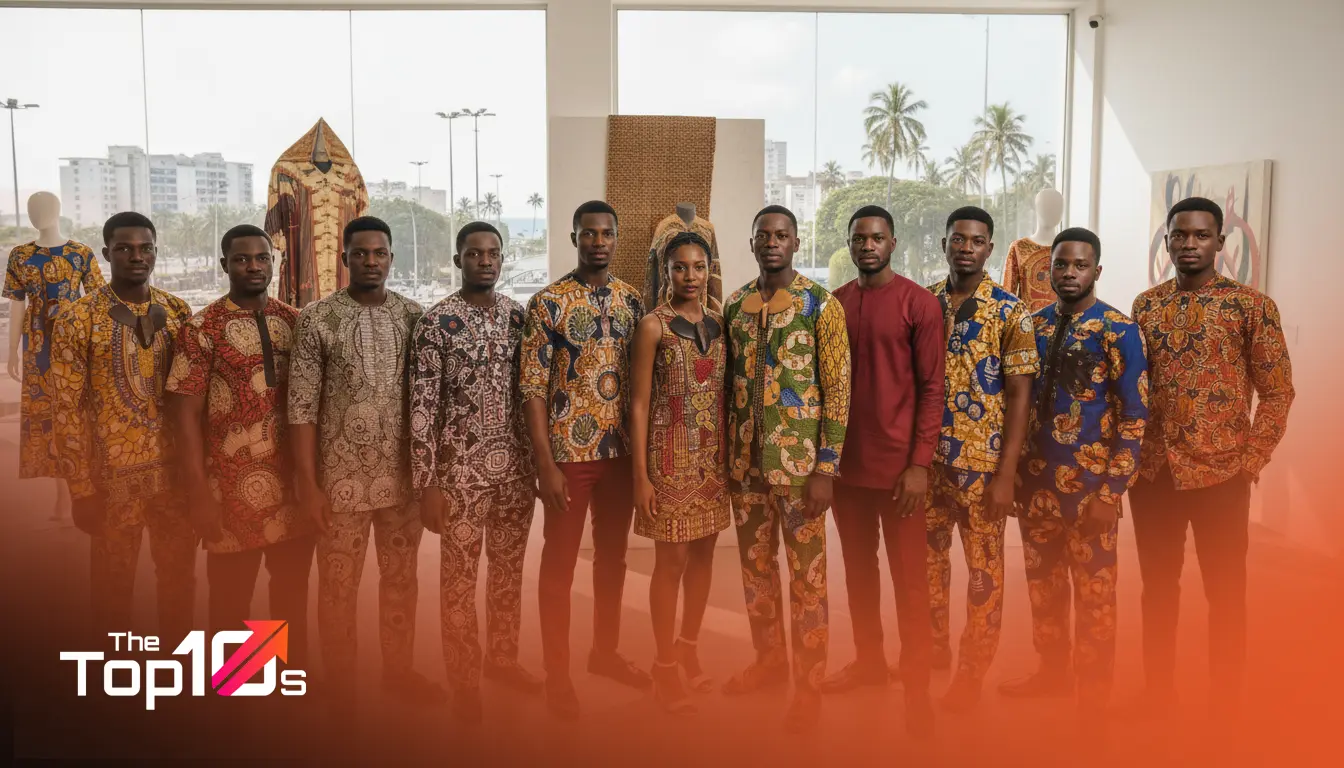
When you walk through the streets of Luanda or scroll through the feeds of the continent’s style icons, you notice something immediately: Angolan fashion isn’t just about clothing; it is a loud, unapologetic celebration of identity. It blends the deep, historical roots of African heritage with a razor-sharp modern edge that rivals Paris or Milan. But finding the creative genius who can translate your personal vision into a garment—whether it’s a bespoke suit for a gala or a Kizomba-ready evening gown—can feel like searching for a needle in a haystack.
The talent pool in Angola is deep. We are seeing a shift where local creators are no longer just tailoring; they are building brands that demand attention on global runways. For you, this means more choices, but it also requires a discerning eye to separate true craftsmanship from fleeting hype. Understanding the nuances of cut, the quality of imported versus local fabrics, and the specific aesthetic of a designer is crucial.
Whether you are a retailer looking to stock the next big thing, or someone wanting a custom piece that screams “elegance,” knowing who leads the pack matters. We have analyzed the scene to bring you a look at the creative minds shaping the industry right now.
Quick Takeaways: The Angolan Fashion Scene
- Heritage Meets Modernity: The best designers masterfully mix traditional Samakaka prints with contemporary European silhouettes.
- High Customization: Unlike Western fast fashion, the Angolan market still heavily values bespoke, made-to-measure services.
- Luanda Centric: While talent exists nationwide, the major fashion houses and studios are concentrated in the capital.
- Event Driven: Much of the high-end design work focuses on gala wear, bridal, and red-carpet events.
How We Identified Leading Fashion Designers
Curating a list of top talent isn’t about looking at Instagram follower counts or who shouts the loudest. Our approach focuses on the tangible elements that make a designer reliable and skilled. We looked for professionals who have demonstrated consistency over several years, rather than those who produced one viral collection and vanished.
We evaluated these creatives based on the quality of their garment construction—how a lining sits, the precision of a hem, and the durability of the stitching. We also considered their ability to interpret trends while maintaining a distinct signature style. Reputation plays a massive role here; we listened to what clients say about deadlines, fittings, and the overall service experience. Finally, we looked at their professional standing, noting participation in major showcases like Angola Fashion Week or international exhibitions, which signals industry respect and operational maturity.
List of 10 Best Fashion Designers in Angola
| SNO | Name | Best for |
|---|---|---|
| 1 | Nadir Tati | High-profile clients, celebrities, and anyone needing a show-stopping piece for an international gala or state event. |
| 2 | Soraya da Piedade | Modern brides and businesswomen who want powerful, structured clothing that commands respect. |
| 3 | Rose Palhares | The fashion-forward consumer who wants to look trendy, sexy, and unique. |
| 4 | Fiu Negro (Mariangela Almeida) | Creative professionals and socialites who love bold prints and color. |
| 5 | Allex Kangala | Grooms, executives, and men who appreciate the fine art of a custom-made suit. |
| 6 | Rui Lopes | Women attending formal galas who prefer understated luxury over loud statements. |
| 7 | Shunnoz Fiel & Tekas | Artists, musicians, and young trendsetters who want to redefine masculinity. |
| 8 | Beatriz Franck | The busy urban woman who values convenience but refuses to sacrifice style. |
| 9 | By Nankhova (Nankhova Alves) | Individuals who want to stand out at parties and cultural events. |
| 10 | Wan Kowero | Editorial stylists, performers, and collectors of fashion art. |
Top 10 Fashion Designers In Angola
Here are the creatives setting the standard for style, innovation, and craftsmanship in the Angolan market today.
1. Nadir Tati
The Grand Dame of Angolan Couture
You cannot discuss fashion in this region without starting with Nadir Tati. She is often regarded as the most international of Angola’s designers. Her work goes beyond simple aesthetics; she treats fashion as an anthropological study, frequently incorporating elements that tell the story of the African woman. She has showcased everywhere from Lisbon to Berlin, bringing a level of prestige to the local industry that is hard to match.
Design Philosophy & Strengths:
Nadir specializes in high-end couture. Her strength lies in her ability to take traditional African fabrics and elevate them into red-carpet-worthy gowns. She is known for dramatic silhouettes and an obsessive attention to detail. If you are looking for a garment that carries cultural weight and regal elegance, her studio is the place to go.
Best Suited For:
High-profile clients, celebrities, and anyone needing a show-stopping piece for an international gala or state event.
2. Soraya da Piedade
Sophistication and Architectural Grace
Soraya da Piedade represents the new guard of luxury. Her designs are characterized by clean lines, sophisticated cuts, and a modern femininity that appeals to the cosmopolitan woman. She has managed to build a brand that feels incredibly polished, often drawing comparisons to major European fashion houses in terms of quality control and brand presentation.
Design Philosophy & Strengths:
While she produces excellent ready-to-wear collections, her bridal and evening wear are where she truly shines. She has a knack for structural designs—clothes that hold their shape and sculpt the body. Soraya is also known for her business acumen, ensuring that the client experience is as premium as the clothing itself.
Best Suited For:
Modern brides and businesswomen who want powerful, structured clothing that commands respect.
3. Rose Palhares
The Edgy Innovator
If you are looking for something that breaks the rules, Rose Palhares is the name to know. She gained massive recognition early in her career and has lived up to the hype by consistently reinventing her aesthetic. She famously designed for the distinct curves of Angolan women, moving away from the stick-thin European standard to celebrate local body types.
Design Philosophy & Strengths:
Rose blends the “Kizomba” vibe with high fashion. Her work often features bold colors, interesting cutouts, and a mix of textures. She isn’t afraid to use unconventional materials or playful patterns. Her strength is versatility; she can do a fun cocktail dress just as well as an avant-garde runway piece.
Best Suited For:
The fashion-forward consumer who wants to look trendy, sexy, and unique.
4. Fiu Negro (Mariangela Almeida)
Geometry and Color
Mariangela Almeida, the creative brain behind Fiu Negro, offers a distinct aesthetic that often relies on geometric patterns and vibrant color blocking. The brand has carved out a niche for women who want to express joy and confidence through their wardrobe. It’s fashion that feels alive.
Design Philosophy & Strengths:
The focus here is on wearability meets art. The pieces are often comfortable enough for a long event but striking enough to get photographed. Mariangela has a particular talent for mixing prints that shouldn’t work together on paper but look harmonious on the body. The finishing on Fiu Negro garments is consistently praised for being top-tier.
Best Suited For:
Creative professionals and socialites who love bold prints and color.
5. Allex Kangala
The Gentleman’s Tailor
Men’s fashion in Angola is serious business, and Allex Kangala is one of the leaders of the pack. He understands the sartorial needs of the modern African man. His suits are not just clothing; they are armor for the boardroom and the wedding hall. He has single-handedly raised the bar for menswear in Luanda.
Design Philosophy & Strengths:
Bespoke tailoring is the core of this brand. Kangala excels in fit. He understands how a suit should drape, the importance of the shoulder line, and the break of the trouser. He uses high-quality wools and linens, suitable for the climate, and offers customization options that allow men to add personal touches to lapels and linings.
Best Suited For:
Grooms, executives, and men who appreciate the fine art of a custom-made suit.
6. Rui Lopes
Classic Glamour
Rui Lopes has established himself as a go-to designer for classic evening wear. He avoids fleeting trends in favor of timeless elegance. When you look at a Rui Lopes gown, it feels like it could have been worn in the 1950s or today—it defies the expiration date of fast fashion.
Design Philosophy & Strengths:
His strength is drapery. He knows how to manipulate fabric to flow over the body like water. He often works with silks, chiffons, and satins, creating garments that are soft yet impactful. His color palettes tend to be rich and solid, avoiding busy prints to let the cut of the dress do the talking.
Best Suited For:
Women attending formal galas who prefer understated luxury over loud statements.
7. Shunnoz Fiel & Tekas
The Dynamic Duo of Menswear
Operating often in the same high-tier circles, this design philosophy represents the younger, edgier side of Angolan menswear. They push boundaries regarding what men can wear, experimenting with colors and cuts that traditional tailors might shy away from.
Design Philosophy & Strengths:
They are known for immaculate styling. It is not just about the suit; it is about the total look—shoes, accessories, and attitude. Their designs often feature slimmer cuts and modern detailing, appealing to a younger demographic than traditional bespoke tailors. They are fantastic at mixing casual elements with formal wear.
Best Suited For:
Artists, musicians, and young trendsetters who want to redefine masculinity.
8. Beatriz Franck
Accessible Chic
Beatriz Franck is a powerhouse. As a former beauty queen and a businesswoman, she understands the industry from all angles. Her brand focuses on making high fashion accessible to the middle and upper class without losing the exclusivity factor. She has been instrumental in standardizing ready-to-wear sizing in the country.
Design Philosophy & Strengths:
Her designs are practical yet chic. She designs for the working woman who needs to transition from the office to a dinner date. The strength of her brand lies in its consistency and availability. Unlike some atelier-only designers, Franck has mastered the retail experience, making it easier to buy her clothes.
Best Suited For:
The busy urban woman who values convenience but refuses to sacrifice style.
9. By Nankhova (Nankhova Alves)
Afro-Centric Boldness
Nankhova Alves brings a spirited energy to the fashion scene. His brand, By Nankhova, is deeply rooted in African identity but interpreted through a global lens. He is a favorite among those who want to wear their heritage on their sleeve—literally.
Design Philosophy & Strengths:
He is a master of print. While many designers use African wax prints, Nankhova mixes them with modern fabrics like denim and leather to create a street-style fusion. His menswear specifically stands out for being colorful and brave. He isn’t afraid to put a man in a floral blazer or a complex geometric shirt.
Best Suited For:
Individuals who want to stand out at parties and cultural events.
10. Wan Kowero
The Avant-Garde Artist
Rounding out our list is Wan Kowero, a designer who treats clothing as sculpture. His work is often seen on runways and in editorial shoots. He challenges the conventional silhouettes of Angolan fashion, often deconstructing garments to create something entirely new.
Design Philosophy & Strengths:
Innovation is his currency. He experiments with asymmetry, oversized proportions, and unexpected texture combinations. While he creates wearable pieces, his strength lies in showmanship and artistic expression. If you want a piece of clothing that sparks conversation, this is the designer to watch.
Best Suited For:
Editorial stylists, performers, and collectors of fashion art.
What Defines a Great Fashion Designer in Angola?
Identifying “greatness” in this specific market goes beyond just being able to sketch a pretty dress. The context of Angola presents unique challenges and opportunities that the best designers navigate effortlessly.
Mastery of Climate and Fabric
Luanda is hot and humid for much of the year. A great designer understands that a heavy velvet suit, no matter how beautiful, is impractical. The top professionals know how to source breathable linens, cotton blends, and lightweight silks that look expensive but feel cool. They understand how these fabrics react to humidity and structure their designs accordingly.
Cultural Intelligence
There is a fine line between using traditional prints (like the Samakaka) respectfully and turning them into a costume. Leading designers integrate these elements with subtlety. They honor the history of the pattern while applying it to modern cuts. This balance is what separates a tourist souvenir from a high-fashion garment.
Production Consistency
In a market where supply chains can sometimes be erratic, the best designers have reliable sourcing networks. They don’t make excuses about missing buttons or delayed fabric shipments. They manage their ateliers professionally, ensuring that a zipper installed today won’t break next week. This reliability is the hallmark of a true professional in the region.
How to Choose the Right Fashion Designer for Your Needs
Selecting a designer is a partnership. To get the best results, you need to align your needs with their specific mode of operation.
Define Your Occasion and Timeline
If you need a wedding dress, you cannot go to a designer who specializes in streetwear two weeks before the date. Couture in Angola takes time. Be realistic. For bespoke formal wear, start the conversation at least three to four months in advance. If you need something for next week, look for designers like Beatriz Franck who have robust ready-to-wear lines.
Assess Their Portfolio, Not Just Their Feed
Instagram can be deceiving. Ask to see full portfolios or physical samples. Look at the inside of the garment. Is it lined? are the seams finished (serged) properly? A designer confident in their quality will happily show you the inside of a jacket. https://runwaymagazines.com/
Understand the Cost Structure
Pricing varies wildly. Some designers charge a flat fee for the design and labor, with fabric costs separate. Others provide an all-inclusive price. Clarify this upfront. Does the price include fittings? What happens if major alterations are needed? Clear communication here prevents awkward conversations later.
Check for Flexibility
Some designers have a strict “house style” and won’t deviate. Others are collaborative. If you have a very specific vision, ensure the designer is open to input. However, if you are hiring a big name like Nadir Tati, you are usually hiring them for their vision, so be prepared to trust their expertise.
Frequently Asked Questions
How much does a custom dress typically cost in Angola?
Prices vary significantly based on the designer’s reputation and fabric choices. A custom evening gown from a mid-level designer might start around 150,000 Kz, while top-tier couture designers can charge upwards of 1,000,000 Kz for intricate bridal or gala wear.
Do these designers sell online or do I need to visit Luanda?
Most top designers require in-person consultations for bespoke work to ensure proper fit. However, brands like Beatriz Franck and some ready-to-wear collections from Soraya da Piedade are increasingly accessible through online inquiries or WhatsApp business catalogs, though shipping logistics can vary.
What is the best fabric to wear in Angola’s climate?
Given the tropical climate, natural fibers are your best friend. Look for cotton, linen, and lightweight silk. High-quality designers in Angola will often recommend “cool wool” for men’s suits, which breathes better than synthetic blends.
Can I bring my own fabric to a top fashion designer?
It depends on the designer. Some emerging designers are happy to work with client-provided fabric (often called “feitio”). However, established luxury houses usually insist on using their own curated fabrics to guarantee the quality and drape of the final product.
How far in advance should I book a bridal designer?
For a wedding gown, you should begin the process 6 to 9 months in advance. This allows time for fabric sourcing (which may be imported), multiple fittings, and intricate hand-finishing without stress.
Final Thoughts
The fashion industry in Angola is thriving, driven by a generation of designers who refuse to compromise on quality or creativity. Whether you are looking for the structural precision of Soraya da Piedade or the cultural storytelling of Nadir Tati, the options are rich and varied.
Remember that fashion is an investment in how you present yourself to the world. Take the time to visit these ateliers, feel the fabrics, and talk to the creators. By supporting these local talents, you aren’t just buying clothes; you are participating in a growing cultural movement that is putting Angola on the global fashion map. Choose the designer that resonates with your personal style, and wear it with confidence.