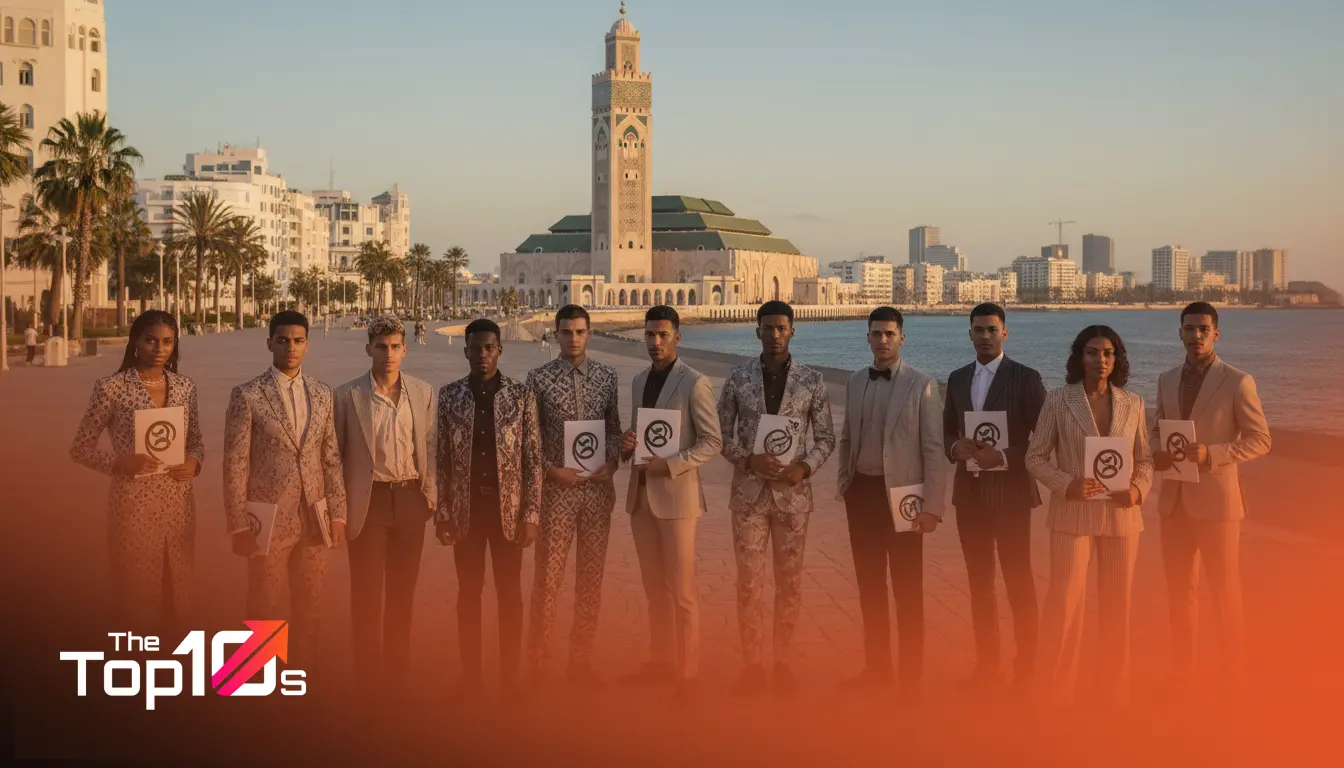
Casablanca isn’t just the economic heartbeat of Morocco; it is a chaotic, vibrant, and utterly stylish intersection where heritage meets avant-garde rebellion. If you walk down the Boulevard d’Anfa or explore the Gauthier district, you quickly realize that fashion here is serious business. It is not merely about clothing—it is about identity. For anyone looking to invest in high-quality apparel, collaborate on a collection, or simply upgrade a personal wardrobe, finding the right creative partner is essential.
But here is the challenge: the city is teeming with talent. From hidden ateliers in the Art Deco quarter to sleek showrooms in the Golden Triangle, the options can feel overwhelming. You aren’t just looking for someone who can sketch; you need a visionary who understands fabric drape, the intricacies of traditional “Maalem” craftsmanship, and modern silhouettes. Whether you are a brand owner seeking a design partner or a fashion enthusiast hunting for a unique piece, knowing who leads the pack changes everything.
Quick Takeaways: The Casablanca Fashion Scene
- Fusion is King: The most successful local designers masterfully blend Moroccan heritage (embroidery, sfifa) with Western cuts.
- Craftsmanship Matters: True luxury here is defined by hand-finishing. Look for designers who value artisanal techniques.
- Diverse Aesthetics: The scene ranges from hyper-modern streetwear to regal, structural haute couture.
- Consultation is Key: Unlike buying off the rack, working with top designers often involves a collaborative fitting process.
How We Identified Leading Fashion Designers
Curating a list of the top fashion designers in Casablanca requires looking beyond Instagram follower counts. We analyzed the local market through a lens of technical proficiency and artistic consistency. Our selection process focused on professionals who have demonstrated longevity and a clear design identity.
We looked for evidence of distinct sartorial signatures—does the designer have a look that is unmistakably theirs? We also considered the depth of their collections. A great designer produces cohesive lines, not just one-off hits. Public reception played a role as well; we reviewed general feedback regarding garment quality, client service, and the ability to meet deadlines. Finally, we looked at their contribution to the local ecosystem, whether through sustainable practices or preserving traditional crafts.
List of 10 Best Fashion Designers in Casablanca
| SNO | Name | Best for |
|---|---|---|
| 1 | Fadila El Gadi | Individuals seeking timeless, investment-grade pieces that blend heritage with international wearability. |
| 2 | Amine Bendriouich | The bold, artistic consumer or brand looking for edgy, conversation-starting streetwear. |
| 3 | Karim Tassi | Professionals who want sophisticated, culturally rooted workwear that stands out in a boardroom or a gallery. |
| 4 | Sara Chraïbi | High-profile events, red carpets, or brides looking for a majestic, structural aesthetic. |
| 5 | Yassine Morabite | Trend-conscious buyers and retailers looking for pop-culture-infused casual wear. |
| 6 | Said Mahrouf | Women who prioritize comfort and fluid silhouettes over structure and heavy embroidery. |
| 7 | Ali Drissi | Building a functional, high-end capsule wardrobe for daily life. |
| 8 | Ghita Lahrichi | Younger clientele or those seeking a festive, vibrant take on traditional Moroccan silhouettes. |
| 9 | Mohamed Lakhdar | Purists who value absolute authenticity and uncompromising quality in traditional wear. |
| 10 | Sofia El Arabi (Bakchic) | Online shoppers and international buyers looking for wearable, boho-Moroccan fusion. |
Top 10 Fashion Designers in Casablanca
The following professionals represent the spectrum of creativity in the White City. They vary in style, price point, and philosophy, but they all share a commitment to excellence.
1. Fadila El Gadi
Few names command as much respect in Moroccan fashion as Fadila El Gadi. Her work is a quiet revolution, taking the ancestral art of embroidery and applying it to minimalist, modern structures. She doesn’t just design clothes; she preserves history.
Her collections often feature neutral palettes—blacks, greys, and earth tones—brought to life with incredibly intricate thread work that typically adorns military-style jackets or flowing tunics. She established a school specifically to teach embroidery to underprivileged youth, ensuring the skill survives. Her aesthetic is perfect for those who want understated luxury that whispers rather than screams.
Best For: Individuals seeking timeless, investment-grade pieces that blend heritage with international wearability.
2. Amine Bendriouich
If you are looking for the punk rock soul of Casablanca, you will find it in Amine Bendriouich. He represents the new wave of Moroccan creatives who refuse to be pigeonholed by Orientalist expectations. His work is bold, androgynous, and often politically or culturally charged.
Bendriouich plays with streetwear silhouettes but executes them with high-end tailoring. You might see a sharp blazer paired with graphic prints, or voluminous trousers that defy gender norms. His brand, “Couture and Bullshit,” captures his irreverent approach to the industry’s seriousness while delivering serious quality.
Best For: The bold, artistic consumer or brand looking for edgy, conversation-starting streetwear.
3. Karim Tassi
Karim Tassi is a master of fusion. With decades of experience, he has perfected the art of mixing different cultures into a single garment. His background involves significant time in Paris, and that French sensibility of “chic” is evident in every seam.
What makes Tassi interesting is his use of linen and wool to create structured yet comfortable clothing. He often reimagines the traditional Djellaba or Gandoura, cropping them or adding zippers to transform them into urban jackets. His palette is often monochrome or bicolor, focusing on the architecture of the clothes rather than loud patterns.
Best For: Professionals who want sophisticated, culturally rooted workwear that stands out in a boardroom or a gallery.
4. Sara Chraïbi
Architecture meets couture in Sara Chraïbi’s atelier. Having trained as an architect before turning to fashion, she constructs garments with a distinct sense of proportion and line. Her work is often celebrated for its regal quality.
Chraïbi is known for her “bispoke” approach to the Caftan, but she elevates it to Haute Couture standards recognized internationally. She uses stiff, rich fabrics like velvet and brocade, manipulating them into shapes that empower the wearer. Her intricate beadwork is legendary, often resembling jewelry woven directly into the fabric.
Best For: High-profile events, red carpets, or brides looking for a majestic, structural aesthetic.
5. Yassine Morabite
Yassine Morabite is where art crashes into fashion. Originally an illustrator, his transition to apparel design kept that graphic, hand-drawn energy alive. He became famous for painting famous faces (like Kate Moss) with traditional Berber tattoos, creating a visual clash of cultures.
His clothing line is accessible yet exclusive, often featuring limited runs of printed tees, denim jackets, and accessories. It is wearable art. The vibe is decidedly urban and youthful, appealing to a generation that navigates between the Medina and the mall.
Best For: Trend-conscious buyers and retailers looking for pop-culture-infused casual wear.
6. Said Mahrouf
Elegance in motion describes Said Mahrouf’s work. His background in performance art influences how he thinks about clothing; he designs for the body in movement, not just the body standing still. His signature is draping.
Mahrouf avoids heavy embellishments. Instead, he lets the fabric do the talking. Using high-quality silks and jerseys, he creates gowns and separates that wrap, twist, and flow around the wearer. The result is an ethereal, statuesque look that feels incredibly modern while remaining modest.
Best For: Women who prioritize comfort and fluid silhouettes over structure and heavy embroidery.
7. Ali Drissi
Ali Drissi designs for the “active woman.” His label is pragmatic but never boring. He understands the needs of a modern Casablanca woman who works, travels, and socializes, and needs a wardrobe that transitions seamlessly between these roles.
His collections often feature smart tailoring, distinct cuts, and a clever use of color blocking. While many local designers focus on evening wear, Drissi shines in the “daywear with a twist” category. His clothes have a European flair but are constructed with local expertise.
Best For: Building a functional, high-end capsule wardrobe for daily life.
8. Ghita Lahrichi
Ghita Lahrichi brings a breath of fresh air to traditional Moroccan attire. While she respects the codes of the Caftan, she isn’t afraid to break them. Her designs are known for being playful, colorful, and surprisingly geometric.
She often uses stripes, polka dots, and unusual color combinations that traditionalists might shy away from. This has made her a favorite among younger women who want to wear traditional clothes without feeling like they are wearing a costume. Her cuts are flattering and often feature innovative belt designs.
Best For: Younger clientele or those seeking a festive, vibrant take on traditional Moroccan silhouettes.
9. Mohamed Lakhdar
If you are looking for the guardian of the temple, it is Mohamed Lakhdar. In a world of fast fashion, he is steadfastly committed to slow, rigorous couture. He is deeply respected for his technical mastery of “Sfifa” (braided trimming) and “Aakad” (hand-made buttons).
Lakhdar’s designs are classic. He does not chase trends. Instead, he focuses on the purity of the cut and the nobility of the fabric. A piece from him is an heirloom intended to be passed down. His studio is a place where time slows down to match the pace of the needle.
Best For: Purists who value absolute authenticity and uncompromising quality in traditional wear.
10. Sofia El Arabi (Bakchic)
Sofia El Arabi, the force behind the brand “Bakchic,” captured the internet age perfectly. She blends the “Beldi” (traditional) with the “Chic.” Her aesthetic is bohemian, relaxed, and incredibly photogenic.
She often takes masculine cuts and feminizes them, or uses traditional fabrics for jumpsuits and kimonos. Her brand is more ready-to-wear focused than the couture houses, making her designs more accessible for immediate purchase. It represents the cool, global citizen side of Casablanca.
Best For: Online shoppers and international buyers looking for wearable, boho-Moroccan fusion.
What Defines a Great Fashion Designer in Casablanca?
Identifying a skilled designer in this city goes beyond looking at a finished sketch. The fashion ecosystem here is unique, and the best professionals navigate it with specific traits.
Mastery of Sourcing
A top-tier designer knows where to find materials. In Casablanca, this might mean navigating the fabric markets of Derb Omar for hidden gems or having exclusive relationships with textile importers. If you are looking to understand the broader production capabilities here, exploring the landscape of fashion manufacturing in Casablanca can provide context on how these designers source their high-quality output. The best designers inspect every yard of silk or linen before it reaches the cutting table.
The “Maalem” Relationship
This is critical. Much of Moroccan fashion relies on artisanal finishing. A great designer has a strong, respectful relationship with the Maalems (master craftsmen) who handle the embroidery and finishing. Without this collaboration, even the best design falls flat. The designer acts as the conductor, and the craftsmen are the orchestra.
Cultural Intelligence
Casablanca is a melting pot. A successful designer here understands the nuance of dressing for a conservative family wedding versus a gallery opening in the city center. They know how to balance modesty with allure, and tradition with innovation. This cultural IQ ensures that the clothes are appropriate for their intended setting while still being fashionable.
How to Choose the Right Fashion Designer for Your Needs
Selecting a designer is a personal process, but applying a strategic framework can save you time and money. Here is how to approach the decision.
Assess Your “Wearability” Needs
Be honest about where you will wear the garment. Are you looking for a show-stopping Caftan for a single event? Then look at couture specialists like Sara Chraibi or Mohamed Lakhdar. Do you need versatile pieces for work and travel? Ali Drissi or Karim Tassi are likely better fits. Don’t buy a piece of art if you need a daily driver.
Check the Timeline
In Casablanca, “custom” means patience. High-quality hand-finishing cannot be rushed. If a designer promises a fully embroidered bespoke piece in three days, be skeptical. Quality takes time. Always ask for a realistic production schedule upfront, especially during peak wedding seasons (summer).
Evaluate the “Interior”
When you visit a showroom, flip the garment inside out. The true mark of a great Casablanca designer is that the lining is as beautiful as the exterior. Check the seams. Are they clean? Is the embroidery secure? The construction quality tells you if the garment will last five years or five wears.
Communication Style
Does the designer listen to you? The best creative relationships are dialogues. If a designer tries to force a silhouette on you that makes you uncomfortable, walk away. They should be able to interpret your desires through their stylistic lens, not override your personality.
Common Myths vs. Reality
Myth: Casablanca fashion is only about traditional Caftans.
Reality: While the Caftan is iconic, the city is a hub for streetwear, avant-garde tailoring, and modern ready-to-wear. Designers like Amine Bendriouich prove that Moroccan fashion can be punk, pop, and urban.
Myth: You must speak Arabic to work with local designers.
Reality: Most established designers in Casablanca are multilingual, often speaking French and English fluently. The business language of fashion here is very international.
Frequently Asked Questions
Do these designers offer international shipping?
Many of the modern designers, particularly those with ready-to-wear lines like Bakchic or Yassine Morabite, have e-commerce platforms and ship globally. Couture houses usually require in-person fittings, though some may work remotely with precise measurements for returning clients.
What is the price range for a custom piece in Casablanca?
Prices vary wildly based on labor. A simple, well-made designer tunic might start around 2,000-3,000 MAD ($200-$300), while intricate Haute Couture Caftans involving months of embroidery can easily exceed 50,000 MAD ($5,000+). Always discuss budget early in the consultation.
Can I collaborate with these designers for my own brand?
Yes, but it depends on the designer’s business model. Some operate purely as their own labels, while others may take on creative direction or capsule collection projects for other brands. It is best to approach them with a professional proposal.
How long does a bespoke commission take?
For simple tailoring, expect 2-3 weeks. For heavily embroidered traditional wear, the standard is 4 to 8 weeks. During the high season (before Ramadan or summer), lead times can double.
Are sustainable fabrics available with these designers?
Sustainability is a growing focus. Designers like Karim Tassi often work with natural fibers like linen and wool. If sustainability is your priority, ask specifically about their fabric sourcing and waste management practices during your initial chat.
Taking the Next Step in Your Style Journey
Choosing a fashion designer in Casablanca is an exciting dive into a world of rich textures and creative vision. Whether you are drawn to the rebellion of streetwear or the quiet dignity of traditional embroidery, the talent in this city is undeniable.
Don’t just browse online—visit the ateliers. Touch the fabrics. Talk to the creators. Fashion here is a tactile, personal experience. By doing your research and asking the right questions, you will find a creative partner who doesn’t just dress you, but helps you articulate exactly who you are to the world.