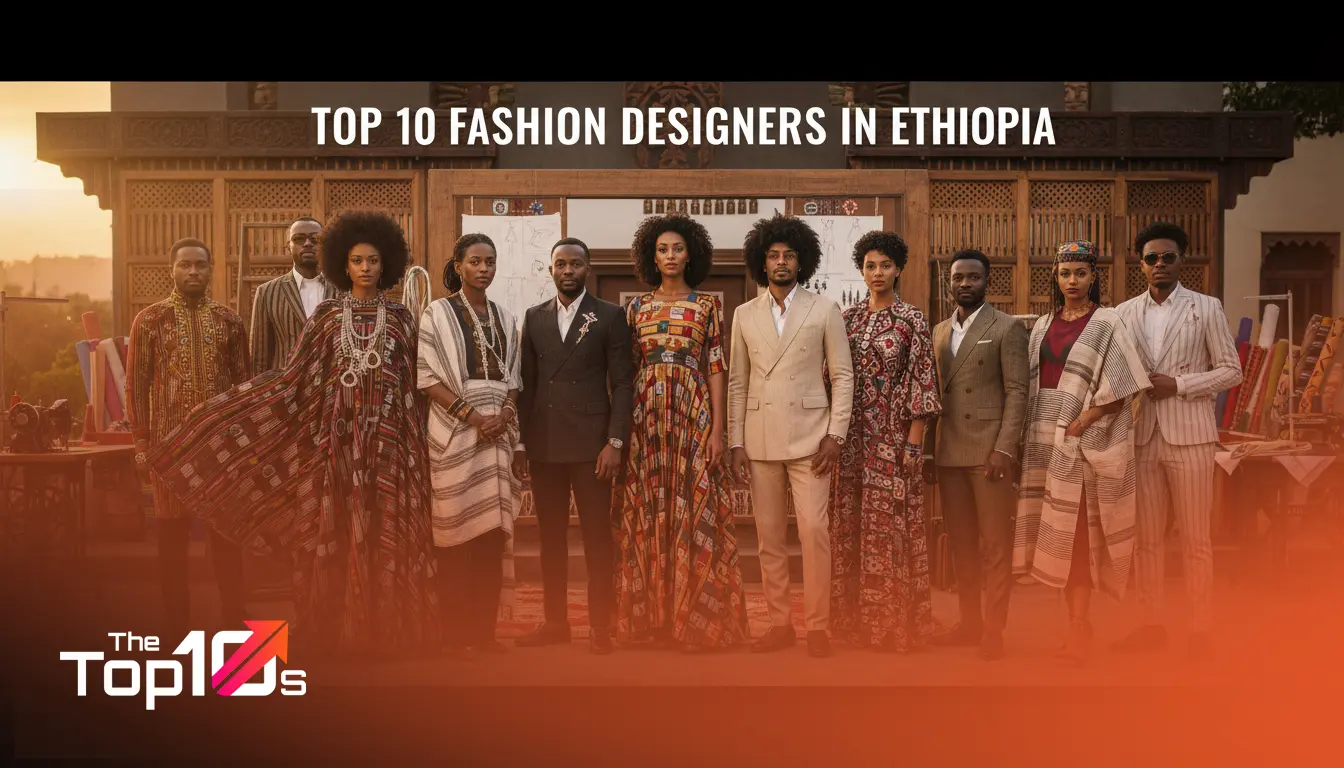
There is a distinct energy in the workshops of Addis Ababa. It isn’t just the hum of sewing machines; it’s the rhythmic clack of the traditional loom, where ancient heritage meets modern aesthetics. If you have ever run your fingers over authentic handwoven Ethiopian cotton—soft, breathable, and textured—you understand why the world is turning its eyes toward the Horn of Africa.
Finding the right creative partner to translate your vision into fabric is about more than just picking a famous name. It is about finding someone who understands the delicate balance between the revered Tibeb patterns and contemporary silhouettes. Whether you are looking for a bespoke bridal gown, sustainable ready-to-wear pieces, or a brand collaboration, the talent pool here is deep, diverse, and incredibly sophisticated.
You might be wondering who is actually driving this movement. It’s a mix of veterans who have kept the craft alive for decades and bold newcomers deconstructing tradition to build something entirely new. This isn’t just about clothing; it’s about storytelling through thread.
Quick Takeaways: Ethiopian Fashion Scene
- Heritage is Key: Most top designers collaborate directly with local weavers (Shemane) to create custom fabrics.
- Sustainable by Nature: Handwoven cotton and low-waste production are standard practices, not just buzzwords here.
- Versatility: The scene has moved beyond traditional Habesha Kemis; expect streetwear, avant-garde couture, and high-end accessories.
- Global Reach: Many listed designers showcase in New York, Paris, and Milan, bringing international standards to local production.
How We Identified Leading Fashion Designers
Curating a list of the best fashion designers in Ethiopia requires looking past Instagram follower counts. Our approach focused on the substance of the work and the sustainability of the business model. We analyzed designers based on their ability to merge cultural preservation with commercial viability.
We looked for professionals who demonstrate a mastery of material sourcing. In Ethiopia, the supply chain is intimate; a designer’s relationship with their weavers often dictates the quality of the final garment. We also considered longevity in the market, peer recognition within the African fashion industry, and the distinctiveness of their design signature. The names selected represent a cross-section of the industry, from luxury couture to ethical casual wear, ensuring there is a match for every aesthetic preference.
List of 10 Best Fashion Designers in Ethiopia
| SNO | Name | Best For |
|---|---|---|
| 1 | Mahlet Afework (Mafi Mafi) | The younger, style-conscious buyer looking for statement pieces that work as well in London or Tokyo as they do in Addis. |
| 2 | Liya Kebede (Lemlem) | Buyers seeking premium, vacation-ready aesthetics and those prioritizing verified ethical production chains. |
| 3 | Fikirte Addis (Yefikir Design) | Clients needing formal wear that respects tradition but feels comfortable and contemporary. |
| 4 | Gennet Kebede (Paradise Fashion) | Brides and gala attendees who want a sophisticated, structured look rooted in heritage. |
| 5 | Abai Schulze (ZAAF Collection) | Corporate gifts, high-end retail buyers, and individuals looking for durable luxury accessories. |
| 6 | Yohannes Sisters (Yohannes Sisters Couture) | High-profile events, galas, and clients who want to make a bold, glamorous entrance. |
| 7 | Sewasew Design | Diaspora clients seeking an authentic connection to their specific regional heritage. |
| 8 | Kunjina Tesfaye | Editorial stylists, artists, and those who view fashion as wearable art. |
| 9 | Sarah Mohammed (Samra) | Women seeking stylish, modest clothing that adheres to cultural or religious guidelines without looking dated. |
| 10 | Meron Seid (Meron Addis Ababa) | The practical professional looking for high-quality, locally sourced leather goods. |
Top 10 Fashion Designers in Ethiopia
Here are the creatives currently shaping the visual language of East Africa. These individuals have been selected for their craftsmanship, innovation, and contribution to the global fashion dialogue.
1. Mahlet Afework (Mafi Mafi)
Mahlet Afework, widely known as Mafi, represents the cool, edgy side of modern Ethiopian fashion. Starting her career as a rap artist, she transitioned into design with a unique perspective on rhythm and flow, which translates visibly into her garments. Her work is a staple for those looking to blend street style with high-end cultural fabrics.
Specialization: Contemporary Ready-to-Wear and Unisex Fashion
Experience: 12+ Years
Notable Strengths: Mafi is renowned for her exclusive hand-woven fabrics. She works intimately with female weavers to create geometric patterns that feel futuristic yet ancient. Her commitment to preserving the livelihood of artisans while producing modern cuts sets her apart.
Best For: The younger, style-conscious buyer looking for statement pieces that work as well in London or Tokyo as they do in Addis.
2. Liya Kebede (Lemlem)
While she gained fame on international runways as a supermodel, Liya Kebede’s transition to design with her brand, Lemlem, created a blueprint for ethical fashion in Africa. Her philosophy revolves around the concept of “blooming” (the meaning of Lemlem in Amharic), focusing on the preservation of traditional weaving techniques.
Specialization: Resort Wear, Swimwear, and Children’s Clothing
Experience: 15+ Years (Founded 2007)
Notable Strengths: The brand excels in soft, breezy cottons featuring distinct, colorful stripes. It is less about rigid structure and more about comfort and flow. Kebede has successfully positioned Ethiopian weaving as a luxury standard in high-end department stores worldwide.
Best For: Buyers seeking premium, vacation-ready aesthetics and those prioritizing verified ethical production chains.
3. Fikirte Addis (Yefikir Design)
Fikirte Addis brings a psychological depth to her work—quite literally, as she was a trained psychologist before turning to design full-time. Her label, Yefikir, means “Love” in Amharic, and this sentiment permeates her approach to garment construction. She is a favorite among those who appreciate subtle elegance over loud statements.
Specialization: Modern interpretations of Traditional Ethiopian Dress
Experience: 14+ Years
Notable Strengths: Fikirte is celebrated for her use of raw cotton and avoiding synthetic dyes where possible. Her designs often feature intricate embroidery that tells a story without overwhelming the wearer. She is also a vocal advocate against child labor in the weaving industry.
Best For: Clients needing formal wear that respects tradition but feels comfortable and contemporary.
4. Gennet Kebede (Paradise Fashion)
A true veteran of the industry, Gennet Kebede has been instrumental in training the next generation of trusted fashion designers near Ethiopia. Paradise Fashion is not just a label; it is an institution. Her work bridges the gap between the ceremonial and the practical.
Specialization: Bridal and Formal Evening Wear
Experience: 30+ Years
Notable Strengths: Gennet’s technical knowledge of fabric behavior is unmatched. She is known for structured elegance—taking the soft, drape-heavy Shemma cloth and giving it architectural form. Her wedding collections are particularly sought after for their blend of western silhouettes and Ethiopian detailing.
Best For: Brides and gala attendees who want a sophisticated, structured look rooted in heritage.
5. Abai Schulze (ZAAF Collection)
Fashion isn’t limited to apparel, and Abai Schulze proves this with ZAAF. Focusing on premium leather goods and accessories, Schulze integrates woven textiles into leather bags and jackets. His work highlights Ethiopia’s status as a producer of some of the world’s finest sheepskin.
Specialization: Luxury Leather Bags, Accessories, and Scarves
Experience: 10+ Years
Notable Strengths: ZAAF products are instantly recognizable by the strip of colorful, handwoven loom work embedded into rich, saddle-colored leather. His designs are functional, durable, and target a global luxury consumer who values craftsmanship.
Best For: Corporate gifts, high-end retail buyers, and individuals looking for durable luxury accessories.
6. Yohannes Sisters (Yohannes Sisters Couture)
Sisters Lilly and Zeze Yohannes have created a powerhouse brand that leans heavily into glamour. If you watch red carpet events in East Africa, chances are you have seen their work. They are the go-to designers for celebrities and television personalities in the region.
Specialization: Haute Couture and Red Carpet Gowns
Experience: 15+ Years
Notable Strengths: Their aesthetic is unapologetically opulent. They utilize heavy beading, lace, and complex draping techniques. Unlike the minimalist trends seen elsewhere, the Yohannes Sisters embrace maximalism, ensuring their clients stand out.
Best For: High-profile events, galas, and clients who want to make a bold, glamorous entrance.
7. Sewasew Design
Sewasew takes a slightly different approach by focusing heavily on the cultural narrative. The brand is deeply rooted in the history of Ethiopian distinct ethnic groups, researching patterns from the Oromo, Tigray, and Amhara regions and revitalizing them for modern wear.
Specialization: Culturally Specific Ceremonial Wear
Experience: 8+ Years
Notable Strengths: Authenticity is the hallmark here. The brand pays close attention to the specific motifs and colors associated with different Ethiopian holidays and regions, making them a favorite for cultural festivals and diaspora weddings.
Best For: Diaspora clients seeking an authentic connection to their specific regional heritage.
8. Kunjina Tesfaye
Kunjina Tesfaye represents the avant-garde. A graduate of the Next Design Institute, she treats fabric like building material. Her work is often asymmetrical, featuring unexpected cutouts and gender-fluid concepts that challenge the conservative norms of local fashion.
Specialization: Conceptual Fashion and Architectural Wear
Experience: 7+ Years
Notable Strengths: Kunjina is not afraid of volume or unconventional silhouettes. She often mixes industrial fabrics with traditional cottons. Her collections are more “fashion week” than “daily office wear,” appealing to the artistic crowd.
Best For: Editorial stylists, artists, and those who view fashion as wearable art.
9. Sarah Mohammed (Samra)
Sarah Mohammed has carved out a niche in modest fashion that doesn’t compromise on style. Understanding the needs of a significant portion of the population, her designs offer coverage while utilizing luxurious fabrics and vibrant prints.
Specialization: Modest Fashion and Abayas
Experience: 9+ Years
Notable Strengths: She excels at layering. Her ability to mix textures—silk, chiffon, and cotton—creates depth in outfits that are fully covered. Her use of color is particularly striking, moving away from standard blacks to embrace deep jewel tones.
Best For: Women seeking stylish, modest clothing that adheres to cultural or religious guidelines without looking dated.
10. Meron Seid (Meron Addis Ababa)
Focusing on leather, Meron Seid has built a brand that screams urban chic. While many designers focus on the traditional Tibeb, Meron looks at the modern city dweller. Her leather shoes and bags are designed for the walking commuter who needs style and durability.
Specialization: Leather Footwear and Handbags
Experience: 11+ Years
Notable Strengths: Functionality drives her design process. Her tote bags include laptop sleeves, and her shoes are built for comfort. She is also a strong proponent of “Made in Ethiopia,” sourcing every zipper and thread locally when possible.
Best For: The practical professional looking for high-quality, locally sourced leather goods.
What Defines a Great Fashion Designer in Ethiopia?
Identifying a truly great designer in this region involves looking beyond the finished garment. The Ethiopian fashion ecosystem is unique because it is vertically integrated in a very manual way. A top-tier designer must possess a deep respect for the Shemane (weavers).
In Europe, a designer might order fabric from a swatch book. In Ethiopia, the designer sits by the loom. The best creatives understand the tension of the thread and the limitations of the shuttle. They know that the Tibeb (the intricate woven border) is not just decoration; it is a mathematical art form. Greatness here is defined by the ability to innovate within these traditional parameters without erasing the history that makes the fabric special.
Furthermore, communication is a defining trait. The top professionals listed above do not just dictate; they collaborate. They bridge the gap between rural artisan communities and the high-paced demands of international retail. If you are looking to learn more about sourcing these unique textiles, you can visit for resources.
How to Choose the Right Fashion Designer for Your Needs
Selecting the right partner depends entirely on your end goal. The designer perfect for a wedding dress might be the wrong choice for a corporate uniform collection. Here is a framework to help you decide.
Assess Your Timeline
Handwoven fabric cannot be rushed. If a designer tells you they can produce a custom traditional dress in three days, be skeptical. Authentic work takes weeks. Plan your engagement at least two to three months in advance, especially during wedding season (January to April).
Review the Portfolio for Consistency
Look at their past three collections. Do you see a cohesive voice, or are they jumping on every micro-trend? You want a designer with a clear identity. If you need structured business wear, avoid designers whose portfolios are dominated by loose, draping resort wear.
Ask About Sourcing
Don’t be afraid to ask, “Where does this cotton come from?” A reputable designer will answer this with pride. They should be able to tell you about the weaving cooperatives they work with. This isn’t just about ethics; it’s a quality control signal. Designers who control their sourcing produce garments that last longer.
Frequently Asked Questions
How much does a custom Ethiopian designer dress cost?
Pricing varies wildly based on the complexity of the Tibeb pattern. A simple handwoven dress might start around $150 USD, while an intricate couture gown with gold threads and complex embroidery from a top designer can easily exceed $1,000 USD. The cost is largely driven by the weeks of hand-weaving required.
Can these designers ship internationally?
Yes, most established designers in Ethiopia have adapted to the global market. Brands like Mafi Mafi, Lemlem, and ZAAF have robust logistics networks. However, for smaller bespoke orders, you should always clarify shipping insurance and customs duties upfront.
Is Ethiopian fashion sustainable?
Generally, yes. The traditional method of production is inherently slow fashion. It utilizes locally grown cotton, hand-spinning techniques, and hand-looms, requiring zero electricity. Most top designers prioritize natural dyes and low-waste cutting patterns.
What is the difference between Shemma and factory fabric?
Shemma is handwoven cotton. It has a distinct, slightly irregular texture that breathes incredibly well and softens with age. Factory fabric is uniform and often mixed with synthetics. You can tell the difference by touch; Shemma feels organic and warm, while factory blends can feel slick or cool.
Do I need to visit Addis Ababa to get a custom design?
Not necessarily. Thanks to video consultations and detailed measurement guides, many experienced fashion design professionals in Ethiopia work with clients remotely. However, for bridal wear, at least one fitting in person is highly recommended to ensure the structure fits perfectly.
Conclusion
The fashion landscape in Ethiopia is currently one of the most exciting in Africa. It is a place where the past and future are being woven together, quite literally, every single day. Choosing a designer here is an investment in artistry and a vote for sustainable, human-centric production.
Whether you are drawn to the architectural shapes of Kunjina or the heritage-rich patterns of Paradise Fashion, the key is to engage with the story behind the cloth. Take your time, ask questions about the weaving process, and enjoy the experience of wearing something that was crafted by human hands, not just assembled by machines.