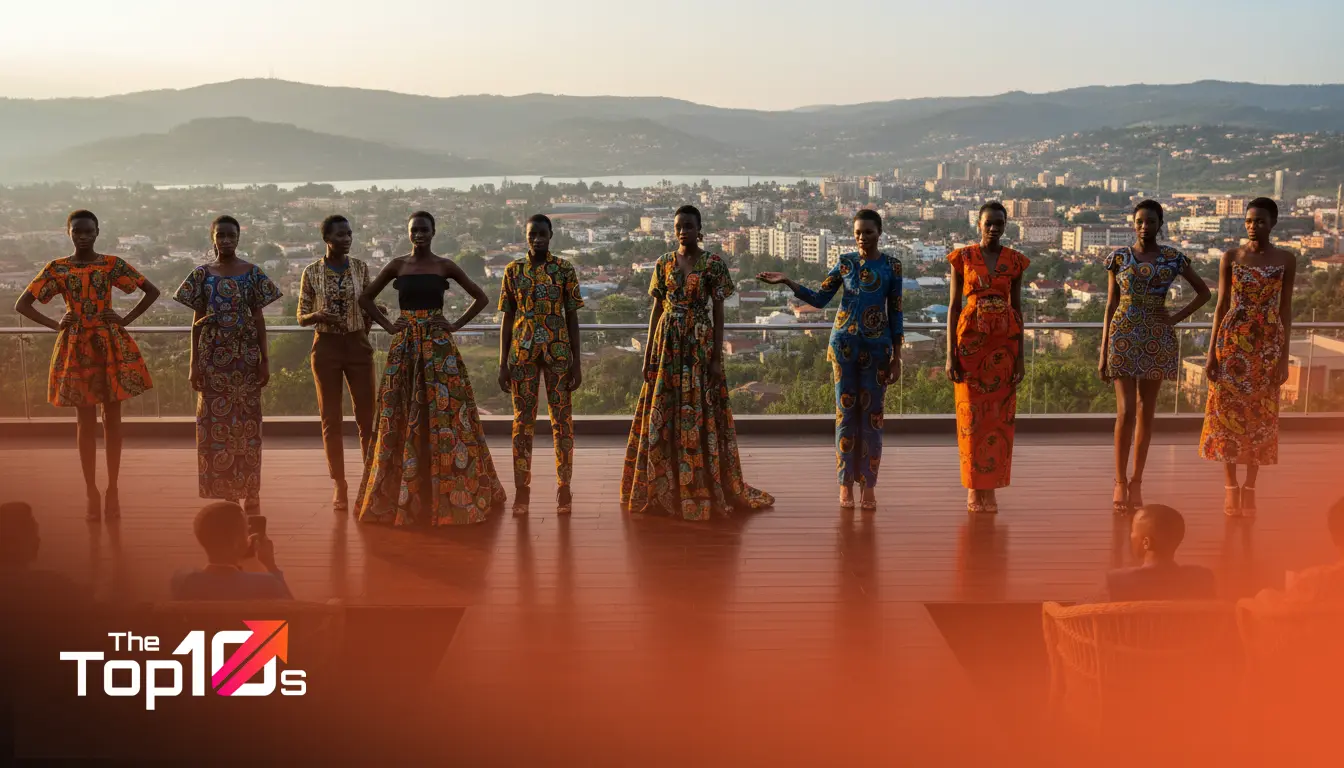
Walking through the streets of Kiyovu or Nyamirambo these days, you notice something different. It isn’t just the cleanliness or the architecture; it’s the style. There is a palpable energy in how people dress, a fusion of heritage and hyper-modern aesthetics that feels entirely unique to Rwanda. Choosing the right creative mind to interpret this style for your wardrobe isn’t just about buying clothes—it’s about investing in a narrative.
For anyone looking to elevate their personal brand or retail collection, finding the best fashion designers in Kigali is the first step toward distinctive style. The local scene has matured rapidly, moving beyond simple souvenir t-shirts to high-end, runway-ready couture that competes globally. Whether you need bespoke suiting, avant-garde showpieces, or sustainable ready-to-wear, the talent pool here is deep.
But with so many emerging labels, how do you distinguish between a hobbyist and a true professional? It comes down to consistency, material knowledge, and that elusive “eye” for detail. This guide highlights the top fashion designers in Kigali who are currently shaping the industry, helping you navigate the vibrant market with confidence.
Quick Takeaways: Kigali’s Fashion Landscape
- “Made in Rwanda” is a movement: Look for designers who actively participate in this government-supported initiative for quality assurance.
- Modern Heritage: The best creators blend traditional Imigongo patterns or Kitenge fabrics with contemporary, Western-influenced cuts.
- Sustainability First: Many top studios operate on a zero-waste or slow-fashion model, prioritizing longevity over fast trends.
- Appointment Culture: Unlike fast fashion retail, many of these design houses work best by consultation or appointment.
How We Identified Leading Fashion Designers
Curating a list of the most trusted fashion designers near Kigali requires looking past Instagram follower counts. Influence is one thing; delivering a perfectly constructed garment is another. Our selection process relied on a few critical indicators of professional quality.
First, we looked at longevity and consistency. The designers listed here haven’t just popped up overnight; they have established studios, consistent collection releases, or a proven track record of client satisfaction. We also analyzed their design education and background. Whether self-taught or formally trained, these professionals demonstrate a mastery of pattern making and fabric manipulation that sets them apart from standard tailoring.
Finally, we considered their contribution to the “Made in Rwanda” ethos. Are they sourcing locally? Are they training young tailors? A true industry leader lifts the entire ecosystem. We reviewed public feedback, media features, and the distinctiveness of their aesthetic to ensure this list represents the pinnacle of experienced fashion design professionals in Kigali.
List of 10 Best Fashion Designers in Kigali
| SNO | Name | Best For |
|---|---|---|
| 1 | Moses Turahirwa (Moshions) | Clients wanting a statement piece that immediately communicates Rwandan elegance and cultural pride. |
| 2 | Matthew Rugamba (House of Tayo) | Grooms, business professionals, and anyone attending a high-profile gala. |
| 3 | Sonia Mugabo | The modern working woman who needs outfits that transition seamlessly from the boardroom to a dinner date. |
| 4 | Joselyne Umutoniwase (Rwanda Clothing) | Families looking for coordinating outfits or tourists wanting high-quality, wearable souvenirs. |
| 5 | Linda Mukangoga (Haute Baso) | The eco-conscious consumer who values transparency and subtle luxury. |
| 6 | Francis Iraguha (Francis Zahabu) | Brides and gala attendees requiring a custom, show-stopping look. |
| 7 | Patrick Muhire (Inkanda House) | Weddings (Gusaba) and formal cultural ceremonies. |
| 8 | Cedric Mizero | Editorial shoots, art collectors, and individuals who view fashion as performance art. |
| 9 | Karen Uwera (Karssh Collection) | Building a professional wardrobe with personality. |
| 10 | Colombe Ituze Ndutiye (INCO) | Weekend wear and creative professionals seeking comfort. |
Top 10 Fashion Designers In Kigali
The following individuals and design houses represent a diverse cross-section of the Rwandan fashion industry. From luxury menswear to eco-conscious women’s wear, here are the creatives setting the standard.
1. Moses Turahirwa (Moshions)
If you have seen the iconic black and white geometric patterns worn by dignitaries and celebrities across East Africa, you have likely seen Moses Turahirwa’s work. As the creative force behind Moshions, Turahirwa is arguably the most recognizable name in Rwandan luxury fashion today. He reinterprets cultural heritage—specifically the geometric Imigongo art form—into high-fashion drapery and structured fits.
Specialization: Luxury culturally-inspired menswear and womenswear.
Experience: Established in 2015, with rapid international acclaim.
Best Suited For: Clients wanting a statement piece that immediately communicates Rwandan elegance and cultural pride.
2. Matthew Rugamba (House of Tayo)
Matthew Rugamba creates for the modern gentleman who isn’t afraid of color. House of Tayo started with a focus on accessories—specifically bow ties and snoods—but has evolved into a full-fledged menswear powerhouse. His aesthetic is “African Dandyism,” blending the sharpness of Savile Row tailoring with the vibrancy of African wax prints.
Specialization: Dapper menswear, bespoke suits, and bold accessories.
Notable Strength: His ability to mix bold prints with classic silhouettes without the outfit looking costumey.
Best Suited For: Grooms, business professionals, and anyone attending a high-profile gala.
3. Sonia Mugabo
Sonia Mugabo (SM) brings a refreshing sense of femininity and timelessness to the Kigali fashion scene. Her designs often shy away from the overly complex, favoring clean lines, distinct cuts, and high-quality fabrics that drape beautifully. Mugabo has been vocal about using fashion as a platform for mental health awareness, adding a layer of depth and community to her brand.
Specialization: Contemporary women’s ready-to-wear and semi-formal attire.
Experience: A staple in the industry for nearly a decade.
Best Suited For: The modern working woman who needs outfits that transition seamlessly from the boardroom to a dinner date.
4. Joselyne Umutoniwase (Rwanda Clothing)
As one of the pioneers who started before the current fashion boom, Joselyne Umutoniwase understands the market deeply. Her brand, Rwanda Clothing, is known for its accessibility and variety. She manages a larger production team than most, allowing for a mix of custom orders and rack-ready items. Her philosophy centers on color and joy, often utilizing bright Kitenge fabrics in practical, wearable designs.
Specialization: Family wear, colorful casual wear, and accessories.
Notable Strength: Scalability and consistent production quality.
Best Suited For: Families looking for coordinating outfits or tourists wanting high-quality, wearable souvenirs.
5. Linda Mukangoga (Haute Baso)
Linda Mukangoga is a champion of ethical fashion. Haute Baso is not just about clothes; it’s about the supply chain. The brand focuses heavily on collaboration with local artisans, incorporating traditional weaving and beadwork into modern apparel. The aesthetic is minimal, chic, and incredibly well-finished. If you are interested in fashion trends that prioritize sustainability without sacrificing style, this is a key brand to watch.
Specialization: Ethical womenswear, minimalist aesthetics, and mixed-media designs.
Experience: Established with a strong focus on social impact.
Best Suited For: The eco-conscious consumer who values transparency and subtle luxury.
6. Francis Iraguha (Francis Zahabu)
When the occasion calls for drama and impeccable fit, Francis Iraguha is the name whispered among Kigali’s elite. Known for his label Francis Zahabu, he excels in evening wear and wedding attire. His understanding of the female form allows him to create gowns that are both structural and comfortable. He isn’t afraid of volume, sequins, or complex layering.
Specialization: Bridal couture, evening gowns, and red-carpet attire.
Notable Strength: Technical construction of complex garments.
Best Suited For: Brides and gala attendees requiring a custom, show-stopping look.
7. Patrick Muhire (Inkanda House)
Patrick Muhire has carved out a niche by focusing on the modernization of traditional ceremonial wear. Inkanda House is famous for reinventing the “Umushanana”—the traditional ceremonial dress of Rwandan women. Instead of the standard draping, Muhire introduces modern textiles, unexpected color combinations, and adjusted fits that make the traditional attire feel contemporary and fresh.
Specialization: Modern traditional wear and ceremonial attire.
Experience: Long-standing reputation for cultural innovation.
Best Suited For: Weddings (Gusaba) and formal cultural ceremonies.
8. Cedric Mizero
To call Cedric Mizero just a “designer” feels like an understatement; he is an artist who uses fabric as his medium. His work often leans towards the avant-garde, blurring the lines between clothing and sculpture. While he creates wearable pieces, his reputation is built on storytelling installations and conceptual fashion that challenges social norms. He represents the experimental soul of Kigali’s creative sector.
Specialization: Avant-garde, conceptual fashion, and artistic installations.
Notable Strength: Unbounded creativity and emotional storytelling.
Best Suited For: Editorial shoots, art collectors, and individuals who view fashion as performance art.
9. Karen Uwera (Karssh Collection)
Karen Uwera brings a sophisticated, global perspective to her brand, Karssh. Her designs often feature a fusion of African prints with very Western, office-appropriate silhouettes. Think pencil skirts with subtle Kitenge accents or blazers lined with vibrant prints. She caters to the professional who wants to express heritage in a corporate environment.
Specialization: Corporate chic and smart-casual womenswear.
Experience: Known for reliable fit and professional service.
Best Suited For: Building a professional wardrobe with personality.
10. Colombe Ituze Ndutiye (INCO)
Colombe Ituze Ndutiye was the first Rwandan designer to launch a brand focused on fusion style tailored for the youth and young professionals. INCO combines jersey knits, denim, and cotton with traditional prints. Beyond design, Ndutiye is a mentor in the industry, often working to support emerging talent. Her clothes are known for being comfortable, durable, and effortlessly cool.
Specialization: Urban casual wear and fusion street style.
Notable Strength: Wearability and comfort.
Best Suited For: Weekend wear and creative professionals seeking comfort.
What Defines a Great Fashion Designer in Kigali?
The fashion ecosystem in Rwanda operates differently than in Paris or New York. Here, greatness isn’t just about the sketch on the paper; it’s about the execution in a resource-constrained environment. A top-tier designer in this city masters the balance between innovation and availability.
Fabric sourcing is a significant hurdle. A great designer knows where to find high-quality textiles that won’t fade after two washes, or they commission their own fabrics (like Moshions). They don’t just rely on the ubiquitous wax prints found in the market; they hunt for linen, silk, and quality cottons that elevate the garment.
Furthermore, cultural intelligence plays a massive role. The best designers understand the “Made in Rwanda” policy not as a marketing tag, but as a commitment to quality finishing. In the past, local tailoring suffered from poor inner stitching or sizing issues. The designers defining the market today pay as much attention to the inside lining of a jacket as they do to the exterior lapel.
How to Choose the Right Fashion Designer for Your Needs
Selecting the right creative partner depends heavily on what you actually need the garment for. A designer perfect for a wedding gown might be a terrible choice for a business suit. Here is a framework to help you decide.
Evaluate the Portfolio for Specificity
Does the designer have a clear aesthetic? If their Instagram page shows a chaotic mix of ball gowns, tracksuits, and swimsuits, proceed with caution. The best professionals usually have a signature style. If you want a structured suit, go to a menswear specialist like House of Tayo. If you want fluid drapery, look at Sonia Mugabo.
Understand the Production Timeline
One common mistake clients make is assuming “local” means “fast.” High-end fashion houses in Kigali are not same-day modification shops.
- Ready-to-wear: Can be bought off the rack immediately.
- Made-to-measure: Usually takes 1–2 weeks.
- Bespoke/Couture: Can take 4–8 weeks depending on complexity.
Always ask about lead times upfront to avoid disappointment.
Check the “Touch and Feel”
If you are in Kigali, visit their showroom. Photos can be edited, but fabric cannot hide. Feel the weight of the material. Check the zippers—are they sturdy or flimsy? Look at the buttonholes. These small tactile clues are the best indicators of whether a designer charges for brand hype or genuine quality.
Frequently Asked Questions
How much does a custom outfit cost from top designers in Kigali?
Prices vary significantly based on fabric and complexity. A simple custom shirt might start around 40,000 RWF ($30-$40 USD), while a bespoke suit or evening gown from a top-tier house like Moshions or Francis Zahabu can range from 250,000 RWF to over 1,000,000 RWF ($200 – $800+ USD).
Do I need to bring my own fabric?
For high-end designers (the ones on this list), usually no. They curate their own fabric selections to ensure the quality of the final product. However, smaller neighborhood tailors generally expect you to provide the cloth (Igitenge).
Is “Made in Rwanda” different from traditional tailoring?
Yes. “Made in Rwanda” is a formal initiative aimed at boosting local manufacturing standards. Designers operating under this banner typically adhere to higher standards of finishing, sizing standardization, and ethical labor practices compared to informal sector tailoring.
Can these designers ship internationally?
Many of the established brands, such as Moshions, House of Tayo, and Haute Baso, have e-commerce capabilities and use international couriers like DHL to ship globally. It is best to contact them via their official websites or WhatsApp business lines to confirm shipping rates.
Next Steps for Your Wardrobe
Exploring the work of the top fashion designers in Kigali is an exciting journey into a culture that values dignity, color, and craftsmanship. Whether you are looking for a singular showpiece or a wardrobe overhaul, the talent is here.
Start by identifying the two or three designers from this list whose aesthetic resonates with you. Visit their physical studios in neighborhoods like Gacuriro or Kiyovu if you can—the in-person experience is often where the real connection to the brand happens. Don’t settle for generic fast fashion when you have access to world-class artistry right at your doorstep.