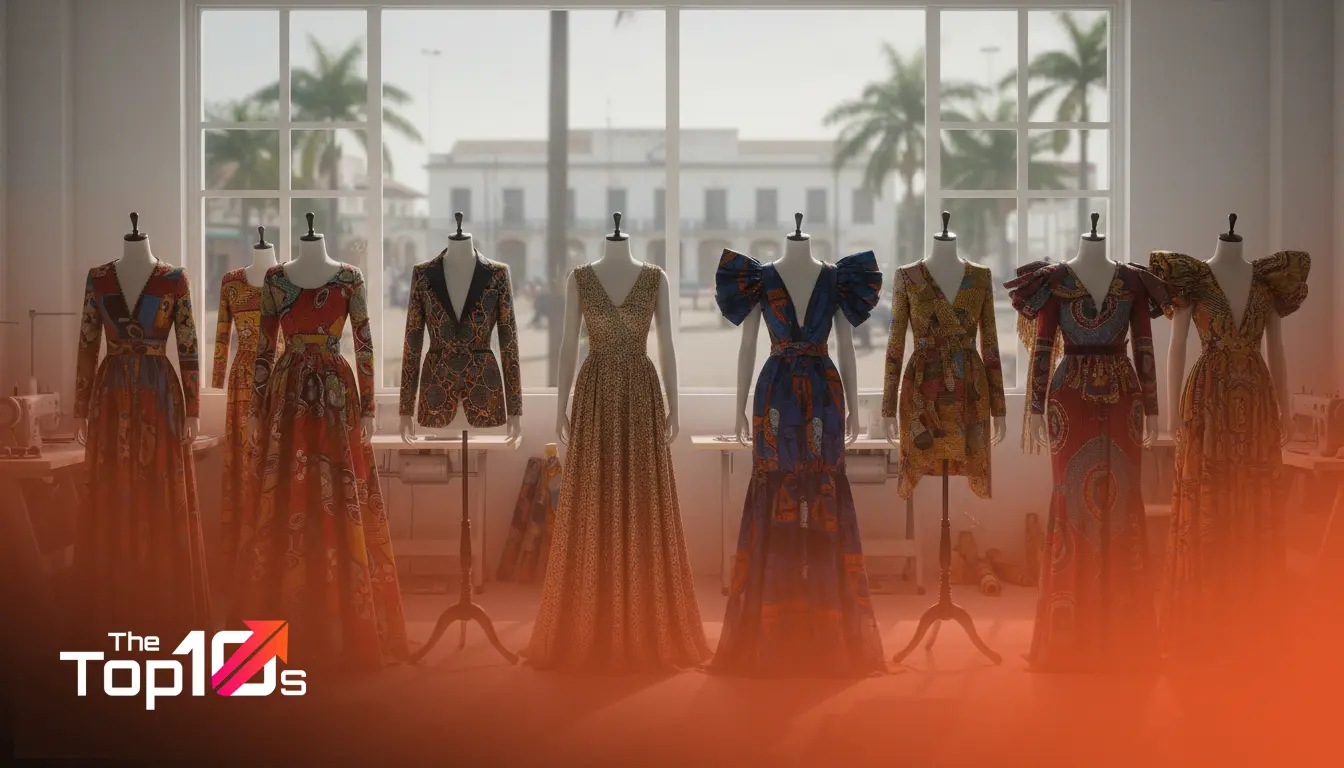
Walking through the bustling streets of Lomé, you quickly realize that fashion here isn’t just about clothing—it’s a language. From the Grand Marché to the upscale boutiques in Quartier Administratif, the Togolese capital pulses with a unique visual identity. It is a place where traditional wax prints marry contemporary cuts, and where finding the right creative partner to interpret your style is a serious pursuit.
You aren’t just looking for someone who can sew. You are searching for a visionary who understands the drape of a heavy Kente cloth, the intricate beadwork required for a celebratory gown, or the sharp tailoring needed for a boardroom suit. The distinction between a standard tailor and a true fashion designer lies in that ability to translate a vague idea into a garment that fits your body and your personality perfectly.
But with hundreds of ateliers scattered across the city, where do you start? Identifying the top talent requires cutting through the noise. This guide highlights the creators who are currently shaping the aesthetic of Togo, focusing on craftsmanship, reliability, and artistic flair.
Quick Takeaways: Choosing a Designer in Lomé
- Book in Advance: The most sought-after designers often have waiting lists of 4-8 weeks, especially during wedding seasons.
- Know Your Fabric: Some designers specialize in Vlisco and wax prints, while others excel with imported silks or heavy lace. Match the material to the expert.
- Consultation Matters: A true designer will sketch and suggest improvements to your idea. If they only nod and sew, they are a tailor, not a designer.
- Budget Transparency: Discuss “couture” vs. “ready-to-wear” pricing early. Custom patterns cost significantly more than standard sizing.
How We Identified Leading Fashion Designers
Curating a list of the best fashion designers in Lomé requires looking beyond flashy Instagram feeds. We analyzed these professionals based on a distinct set of criteria relevant to the local market and international standards. Our approach was grounded in observing consistency over time rather than viral moments.
We prioritized designers who demonstrate technical mastery. This means inspecting the inside of the garment as closely as the outside—lining, stitching durability, and finishing techniques are where the true quality lies. We also looked at their ability to maintain a cohesive brand identity. The names on this list don’t just copy trends; they interpret them through a Togolese lens.
Client satisfaction played a major role in our selection. We looked for professionals known for meeting deadlines—a notorious pain point in the custom apparel industry. Finally, we considered their versatility. Whether working with traditional Pagne or modern neoprene, these creatives show adaptability without losing their signature touch.
Top 10 Fashion Designers in Lomé
The following professionals represent the upper echelon of Togolese fashion. They range from established icons who dress First Ladies to emerging talents redefining streetwear.
1. Grace Wallace
If you discuss high fashion in Togo, the conversation almost inevitably leads to Grace Wallace. She is widely considered a cornerstone of the industry, known for elevating Togolese couture to international runways. Her work is characterized by a rich, maximalist aesthetic that often incorporates intricate embroidery and high-quality wax prints.
Why she stands out: Grace possesses a rare ability to blend Nigerian and Togolese influences, resulting in garments that are regal and commanding. Her “Kilimandjaro” collections have set trends that ripple across West Africa.
Best for: Women seeking show-stopping evening wear, bridal couture, or garments for high-stakes social events where making an entrance is mandatory.
2. Hilario
Menswear in Lomé has evolved significantly, and Hilario is a major driver of this shift. He brings a structural, architectural approach to men’s fashion. His studio focuses on the modern African man who needs to transition from a business meeting to a social gala without changing his outfit.
Design Philosophy: Hilario is known for clean lines and unexpected details. You might see a classic suit jacket reimagined with a subtle collarless cut or a traditional tunic fitted with military precision.
Best for: Men who want bespoke tailoring that feels modern but respects traditional silhouettes.
3. Elima (Limda Awesso)
Limda Awesso, the creative force behind the label Elima, is a veteran who has mentored a generation of designers. Her work is steeped in heritage but always feels wearable. She has a reputation for understanding the female form, creating cuts that flatter a variety of body types rather than just standard mannequin proportions.
Key Strengths: Her extensive experience means she understands fabric behavior better than almost anyone. She knows exactly how a specific silk will drape compared to a stiff cotton, preventing design disasters before they happen.
Best for: Clients looking for sophisticated, timeless pieces that won’t go out of style in a year.
4. Desmo Design
For those who find traditional couture a bit too stiff, Desmo Design offers a breath of fresh air. This brand injects a youthful, energetic vibe into the Lomé fashion scene. The aesthetic here is bold, colorful, and often plays with asymmetry.
The Vibe: Think “Afro-pop” in clothing form. Desmo isn’t afraid to clash prints or experiment with unconventional hem lengths. It is fashion that feels fun and accessible.
Best for: Younger professionals, artists, and anyone wanting to add a punch of personality to their daily wardrobe.
5. Nadiaka
Nadia Karimu, the founder of Nadiaka, has mastered the art of “Afro-chic.” Her designs are staples in the wardrobes of Lomé’s corporate elite. She excels at creating clothes that are professional enough for a bank or ministry office but carry enough cultural flair to stand out.
Signature Style: You will often see her mixing solid, neutral fabrics with splashes of vibrant wax print. It’s a subtle way of celebrating heritage within a professional context.
Best for: Career women building a “power dressing” wardrobe that feels authentic to their location.
6. Jacques Logoh
Jacques Logoh is a name synonymous with theatricality and presence. He views fashion as performance art. His runway shows are legendary in the region, but his custom client work is equally impressive. He treats every commission as a unique project, often pushing clients to try styles they hadn’t considered.
Craftsmanship: Expect heavy detailing, beading, and complex pattern making. He doesn’t shy away from difficult fabrics or avant-garde shapes.
Best for: Red carpet events, stage performers, or anyone who wants a garment that tells a dramatic story.
7. Style César
While many designers focus on the ladies, Style César has carved out a prestigious niche in high-end menswear. This is the go-to atelier for grooms and government officials. The focus here is on the “perfect fit.” A suit from César looks like it was molded to the wearer, not just sewn for them.
The Difference: The finishing. The internal construction of his jackets ensures they hold their shape even in the humid Togolese climate, a technical detail many overlook.
Best for: Groomsmen, wedding parties, and executives needing top-tier formal wear.
8. Bamondi
Bamondi represents the softer side of Togolese fashion. The design ethos here leans towards fluidity, comfort, and effortless elegance. While many designers opt for structure, Bamondi embraces the flow of the fabric. The result is clothing that looks expensive but feels like loungewear.
Material Focus: This atelier is excellent at working with chiffons, silks, and softer cotton blends, often integrating tie-dye or batik techniques alongside wax prints.
Best for: Resort wear, casual luxury, and weekend social gatherings.
9. Sarah B
Sarah B has gained a loyal following by democratizing fashion. Her designs are stylish yet practical, bridging the gap between high-end couture and ready-to-wear. She is known for quick turnarounds without sacrificing quality, a rarity in the custom market.
Approach: She listens. Reviews often highlight her ability to take a client’s vague description and sketch exactly what they were imagining.
Best for: The modern woman who needs versatile outfits for brunch, work, and church.
10. Hollistar
Rounding out our list is Hollistar, a brand that speaks to the urban pulse of Lomé. This is where streetwear meets tradition. Hoodies made with Kente accents, bomber jackets in wax print, and fitted trousers that pair with sneakers define this brand.
The Audience: This designer captures the spirit of the “New Africa”—global citizens who are proud of their roots but live a fast-paced, modern lifestyle.
Best for: Casual wear, streetwear enthusiasts, and men looking for stylish weekend gear.
What Defines a Great Fashion Designer in Lomé?
Identifying the top fashion designers in Lomé involves more than just liking a sketch. The specific environment of Togo dictates certain requirements for a designer to be truly great.
Mastery of Climate and Context
Lomé is humid and warm. A skilled designer understands which linings breathe and which synthetics will turn a dress into a sauna. They select fabrics that hold their structure without weighing the wearer down. Furthermore, they understand the social context—knowing that a dress for a traditional funeral has different cultural requirements than an outfit for a cocktail party.
Fabric Intelligence
In West Africa, the fabric is often the star. Whether it is Vlisco Wax, Woodin, Ganila, or Bazin, these textiles are expensive and carry cultural meaning. A great designer knows how to pattern-match complex prints so the motifs align perfectly at the seams. Cutting into a $200 yard of fabric requires confidence and precision; amateurs often waste material or misalign the patterns.
The Consultant Mindset
The best designers are honest. If a client brings a picture of a celebrity and the style won’t flatter the client’s body type, a top-tier professional will gently suggest modifications. They act as stylists, advising on necklines, hem lengths, and color palettes that enhance the wearer’s natural features rather than just replicating a photo.
How to Choose the Right Fashion Designer for Your Needs
Selecting the right atelier is a partnership. To ensure you get the garment of your dreams, follow a structured approach to selection.
Assess Their Portfolio for Your Specific Needs
Don’t hire a streetwear specialist to make a wedding gown. Look through their past work for items similar to what you want. If you need a business suit, look for crisp collars and smooth shoulders in their photos. If you need an evening gown, look for drape and embellishment.
Understand the Timeline
Custom fashion is not fast fashion. Ask upfront about their production schedule. A “rush fee” is common if you need something in less than two weeks. Be realistic—quality beadwork or embroidery can take days of manual labor. If you are exploring other industries or need a broader directory for the region, CityLocal101 provides extensive listings that can help you locate other services nearby.
The Fitting Process
Ask how many fittings are included in the price. Usually, a minimum of two fittings is standard: a “muslin” or rough fitting to check the shape, and a final fitting to check the finishing. If a designer claims they can do it perfectly without you ever trying it on, proceed with caution.
Communication Style
Does the designer answer their phone? Do they reply to messages? Fashion design requires back-and-forth communication. If they are difficult to reach before you pay the deposit, they will likely be impossible to reach once they have your money.
Frequently Asked Questions
How much does a custom dress cost in Lomé?
Prices vary wildly based on the designer’s reputation and the complexity of the garment. A simple custom dress from a neighborhood tailor might cost 15,000 CFA, while a complex evening gown from a top designer like Grace Wallace can range from 150,000 CFA to over 1,000,000 CFA. Always get a quote in writing.
Do I need to bring my own fabric?
Most designers in Lomé expect you to provide the main fabric (wax, lace, silk), while they provide linings, zippers, and buttons. However, high-end ateliers often have curated collections of luxury fabrics you can purchase directly from them. Always clarify this during the consultation.
How long does it take to get an outfit made?
For a standard outfit, expect a timeline of 2 to 3 weeks. For bridal wear or intricate couture, 2 to 4 months is recommended. During festive seasons like December or Easter, lead times can double due to high demand.
Can these designers copy a dress from a photo?
Yes, most are skilled at reproduction. However, the best results come when you allow the designer to adapt the style to your specific measurements and fabric choice. Exact replicas often fail because the fabric in the photo behaves differently than the fabric you have.
Do these designers ship internationally?
Many of the top tier designers, such as Elima and Grace Wallace, are accustomed to working with the diaspora and international clients. They can work with measurements sent remotely and ship via DHL or other courier services, though a physical fitting is always superior.
Final Thoughts on Lomé’s Fashion Scene
Finding the best fashion designer in Lomé is an exploration of art and culture. The talent in this city is undeniable, capable of competing with fashion capitals globally. Whether you need a sharp suit for a board meeting or a flowing Boubou for a traditional ceremony, the right partner is out there.
Don’t rush the process. Visit the studios, touch the fabrics, and talk to the creators. Your clothing is an extension of your identity, and in Lomé, you have the privilege of working with artisans who treat it with the respect it deserves.