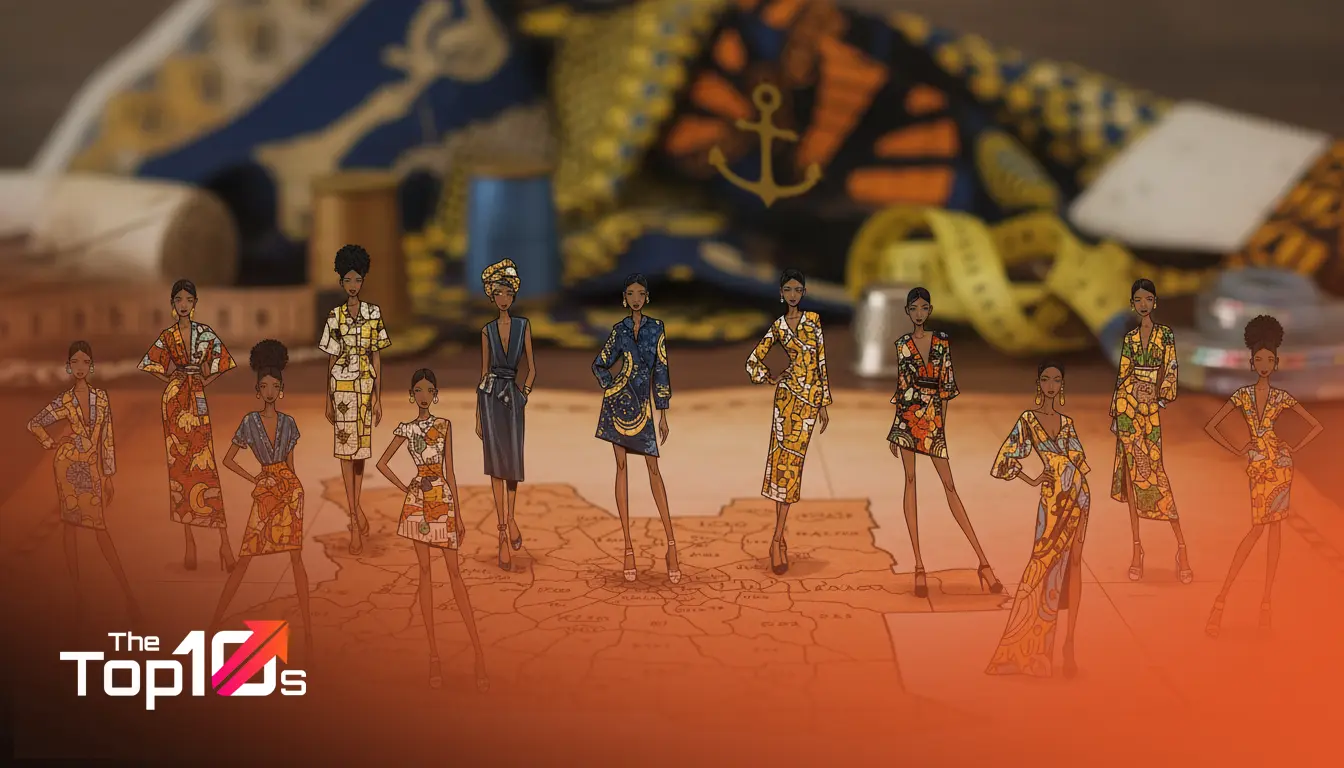
Quick Takeaways: Finding Your Style in Luanda
- Cultural Fusion: The best local creators masterfully blend traditional Samakaka prints with modern European cuts.
- Climate Matters: Look for designers who understand tropical fabrics; Luanda is humid, and breathability is non-negotiable.
- Lead Times: Custom couture here isn’t instant. Plan for a 4-8 week timeline for bespoke pieces, especially during wedding season.
- Fabric Sourcing: Top-tier designers often have exclusive access to imported textiles you won’t find in typical markets.
Walking through the vibrant streets of Luanda, you notice something immediately: style isn’t just a hobby here; it is a form of communication. From the intricate beadwork seen at high-profile galas to the sharp, bespoke suits navigating the central business district, Angolan fashion carries a distinct heartbeat. But when you need a look that truly defines your personality, relying on off-the-rack department stores rarely cuts it.
Finding the right creative partner to translate your vision into fabric is a serious pursuit. You aren’t just paying for a garment; you are investing in craftsmanship, identity, and the subtle confidence that comes from wearing something made exclusively for your silhouette. Whether you are looking for a show-stopping bridal gown, a power suit for the boardroom, or Afro-chic streetwear, the talent pool in this city is incredibly deep.
However, navigating the scene can be tricky. With so many emerging ateliers and established houses, knowing who specializes in what is half the battle. This guide highlights the experienced professionals shaping the visual narrative of Angola today, helping you connect with a designer who matches your specific aesthetic needs.
How We Identified Leading Fashion Designers
Selecting the top fashion designers in Luanda requires looking beyond Instagram follower counts. Our methodology focuses on the tangible elements that determine a satisfying client experience and a high-quality product. We analyzed the local industry based on specific, performance-driven criteria.
First, we considered longevity and consistency. The designers listed here have weathered economic shifts and trends, proving they can run a sustainable business while delivering quality. We also looked at technical versatility—the ability to move from sketching to pattern making and final fitting without losing the integrity of the design.
Reputation played a massive role. We listened to what clients say about reliability. Does the designer meet deadlines? Is the stitching durable? Finally, we evaluated their design signature. The goal was to find creatives with a distinct point of view, ensuring that when you wear their label, it stands out in a crowded room.
List of 10 Best Fashion Designers in Luanda
| SNO | Name | Best For |
|---|---|---|
| 1 | Nadir Tati | Clients needing a statement piece for an international gala or a high-stakes event where cultural pride meets luxury. |
| 2 | Rose Palhares | The modern woman looking for chic, versatile outfits that transition from office to evening social events. |
| 3 | Soraya da Piedade | Brides-to-be and women who appreciate structured garments that emphasize an hourglass figure. |
| 4 | Allex Kangala | Gentlemen requiring a perfect fit for weddings or business executives who need to command a room. |
| 5 | Mariangela Almeida (Fiu Negro) | Creative professionals and anyone attending day parties or artistic events. |
| 6 | Rui Lopes | Musicians, artists, or individuals who want their clothing to spark conversation. |
| 7 | Wan Kiamy (Geraldo da Costa) | Minimalists who prioritize fabric quality and cut over embellishment. |
| 8 | Jhennifer Tumba (Hasow) | Gen Z and Millennials looking for trendy, Instagram-worthy outfits. |
| 9 | Dina Simão | Mothers of the bride, government officials, or cultural representatives. |
| 10 | Laudureira (Laud’s) | Red carpet events and high-end evening galas. |
Top 10 Fashion Designers In Luanda
This list represents a mix of established icons and innovative modernists. Each professional below brings a unique flavor to the Angolan fashion ecosystem, catering to different styles, budgets, and occasions.
1. Nadir Tati
You cannot discuss Angolan fashion without mentioning Nadir Tati. Often regarded as the “Diva of Angolan Fashion,” her work is a masterclass in elevating traditional African aesthetics to global haute couture standards. She has presented collections on runways from Lisbon to Berlin, bringing a level of international prestige to her local atelier.
Specialization: High Couture, Red Carpet, Traditional Reinterpretation
Experience: 20+ Years
Best For: Clients needing a statement piece for an international gala or a high-stakes event where cultural pride meets luxury.
2. Rose Palhares
If you enjoy fashion that feels fresh, youthful, yet incredibly polished, Rose Palhares is a name to know. She has a knack for reinventing the “Kizomba” dress and creating ready-to-wear lines that are actually wearable in daily life. Her approach often involves bold colors and innovative cuts that challenge conservative norms while remaining elegant.
Specialization: Ready-to-Wear (Prêt-à-porter), Contemporary Womenswear
Experience: 10+ Years
Best For: The modern woman looking for chic, versatile outfits that transition from office to evening social events.
3. Soraya da Piedade
Soraya da Piedade represents the pinnacle of structural femininity. Her designs are often characterized by architectural ruffles, cinched waists, and a very polished, “lady-like” silhouette. Beyond just clothing, her brand has expanded to include accessories and footwear, offering a complete look.
Specialization: Bridal, luxury casual, and maternity wear
Experience: 12+ Years
Best For: Brides-to-be and women who appreciate structured garments that emphasize an hourglass figure.
4. Allex Kangala
Men’s fashion in Luanda is competitive, and Allex Kangala sits comfortably at the top tier. Known for his impeccable tailoring, Kangala focuses on the modern dandy. His suits are not just about covering the body; they are about posture and presence. He utilizes high-grade wools and linens, ensuring his suits breathe well in the Angolan heat.
Specialization: Bespoke Menswear, Groom’s Attire
Experience: 15+ Years
Best For: Gentlemen requiring a perfect fit for weddings or business executives who need to command a room.
5. Mariangela Almeida (Fiu Negro)
For those who find traditional luxury a bit too stiff, Fiu Negro offers a breath of fresh air. Mariangela Almeida brings a bohemian, artistic flair to her collections. She is not afraid of mixing clashing prints or experimenting with volume. The brand celebrates the joy of dressing up without taking itself too seriously.
Specialization: Afro-contemporary, Resort wear, Pattern Mixing
Experience: 8+ Years
Best For: Creative professionals and anyone attending day parties or artistic events.
6. Rui Lopes
Rui Lopes creates for the bold. His designs often blur the lines between gender norms and traditional cuts, offering avant-garde pieces that serve as art. While he produces wearable commercial lines, his runway pieces are theatrical and intense. He understands the drama of fabric movement better than most.
Specialization: Avant-Garde, Experimental Fashion, Stage Costumes
Experience: 10+ Years
Best For: Musicians, artists, or individuals who want their clothing to spark conversation.
7. Wan Kiamy (Geraldo da Costa)
Refinement is the core of the Wan Kiamy brand. Geraldo da Costa focuses on clean lines and minimalism, a stark contrast to the busy prints often associated with the region. His work demonstrates that African fashion can be subtle and monochromatic while still retaining a strong identity.
Specialization: Minimalist Menswear and Womenswear, Corporate Chic
Experience: 9+ Years
Best For: Minimalists who prioritize fabric quality and cut over embellishment.
8. Jhennifer Tumba (Hasow)
Representing the new wave of talent, Jhennifer Tumba’s brand, Hasow, appeals to the younger, trend-conscious demographic. She integrates streetwear influences with traditional tailoring. Her studio is known for agility and adapting quickly to global trends seen on social media, translating them for the Luanda market.
Specialization: Urban fusion, Party wear, Custom prom dresses
Experience: 6+ Years
Best For: Gen Z and Millennials looking for trendy, Instagram-worthy outfits.
9. Dina Simão
A veteran in the industry, Dina Simão has spent decades working with “Panos da Costa” and other regional textiles. Her work is deeply rooted in heritage. She doesn’t just make clothes; she preserves history through needlework. Her cuts are generally more conservative and mature, appealing to a dignified clientele.
Specialization: Traditional formal wear, Mature women’s fashion
Experience: 25+ Years
Best For: Mothers of the bride, government officials, or cultural representatives.
10. Laudureira (Laud’s)
Laudureira focuses on the sensual side of fashion. Her gowns often feature strategic cutouts, sheer paneling, and intricate beadwork. It is evening wear designed to highlight the body. The brand has a strong following among local celebrities and TV personalities.
Specialization: Evening gowns, Cocktail attire, Glamour
Experience: 10+ Years
Best For: Red carpet events and high-end evening galas.
What Defines a Great Fashion Designer in Luanda?
Understanding the local fashion ecosystem helps you appreciate why certain designers stand out. In Luanda, a great designer is a technical expert and a cultural translator. They bridge the gap between European luxury standards and African vibrancy.
Material Mastery in Humid Climates
Luanda is hot. A talented designer knows that a heavy polyester blend is a disaster waiting to happen. The best professionals prioritize cottons, linens, and breathable silks, or they line their garments with natural fibers to ensure comfort during long events.
The “Samakaka” Factor
While not every piece needs to be traditional, understanding how to utilize local prints (like Samakaka) without making the outfit look like a costume is a skill. Top designers use these patterns as accents—on a lapel, a lining, or a hem—to pay homage to Angolan roots in a modern way.
Client Collaboration
The relationship between a tailor and client in Angola is personal. Great designers listen more than they talk. They assess your body language and comfort levels during fittings, making adjustments that you didn’t even know you needed. They don’t just force their “vision” onto you; they collaborate to enhance your best features.
How to Choose the Right Fashion Designer for Your Needs
Selecting from the list above depends entirely on what you need the garment to do for you. A wedding dress requires a different set of skills than a business suit. Here is a practical framework for making your decision.
Check the Portfolio for Consistency
When reviewing their Instagram or website, look at the fit of the clothes on the clients, not just the professional models. Does the fabric bunch up awkwardly? are the hemlines straight? Consistency in real-world photos is a better indicator of skill than a retouched editorial shoot.
Understand the Timeline
Patience is a requirement for bespoke work. Do not approach a high-demand atelier in Luanda two weeks before your event. Most require:
- Consultation: 1-2 hours to discuss design and measurements.
- Sourcing: 1-2 weeks if fabrics need to be imported.
- Production & Fittings: 3-5 weeks depending on complexity.
Discuss Budget Openly
Angolan fashion varies wildly in price. Some designers charge a flat fee including fabric, while others charge for labor (feitio) and require you to bring the material. Clarify this upfront. Ask if the price includes alterations, as some studios charge extra for significant changes after the second fitting.
Frequently Asked Questions
How much does a custom dress cost in Luanda?
Prices fluctuate based on the designer’s fame and the complexity of the piece. A simple custom cocktail dress might start around 50,000 Kz, while elaborate bridal gowns from top-tier designers like Nadir Tati can easily exceed 1,000,000 Kz. Always get a written quote.
Do I need to bring my own fabric?
It depends on the designer. Ready-to-wear brands like Rose Palhares usually provide the fabric. However, traditional tailors and bespoke menswear designers often prefer you to select your own cloth, or they will guide you to specific fabric vendors in Luanda where they have accounts.
Can these designers make replicas of celebrity outfits?
While many are capable of copying a look, it is often better to ask for an “interpretation” rather than a replica. This allows the designer to adjust the cut to your specific body type, ensuring the final result looks like it was made for you, not just a copy of someone else.
What is the difference between a tailor and a fashion designer?
A tailor focuses on the construction and alteration of the garment based on a specific pattern. A fashion designer creates the concept, chooses the mood, and oversees the aesthetic direction. In Luanda, many top professionals blend these roles, offering both design conceptualization and technical tailoring.
How early should I book a designer for a wedding?
For bridal wear, six months is the standard recommendation. This allows ample time for multiple fittings, weight fluctuations, and the inevitable delays that can occur with fabric shipping or intricate beadwork.
Next Steps for Your Wardrobe
Elevating your style is a journey that pays dividends in confidence and professional perception. The fashion designers in Luanda offer a diverse range of aesthetics, from the deeply traditional to the radically avant-garde. Your next move is to identify two or three names from this list that resonate with your personal taste.
Reach out to their studios to schedule a consultation. Don’t be afraid to ask about their current lead times and to see samples of their recent work. By investing in quality design, you are supporting the local creative economy and ensuring that when you walk into a room, your presence is felt before you even speak.