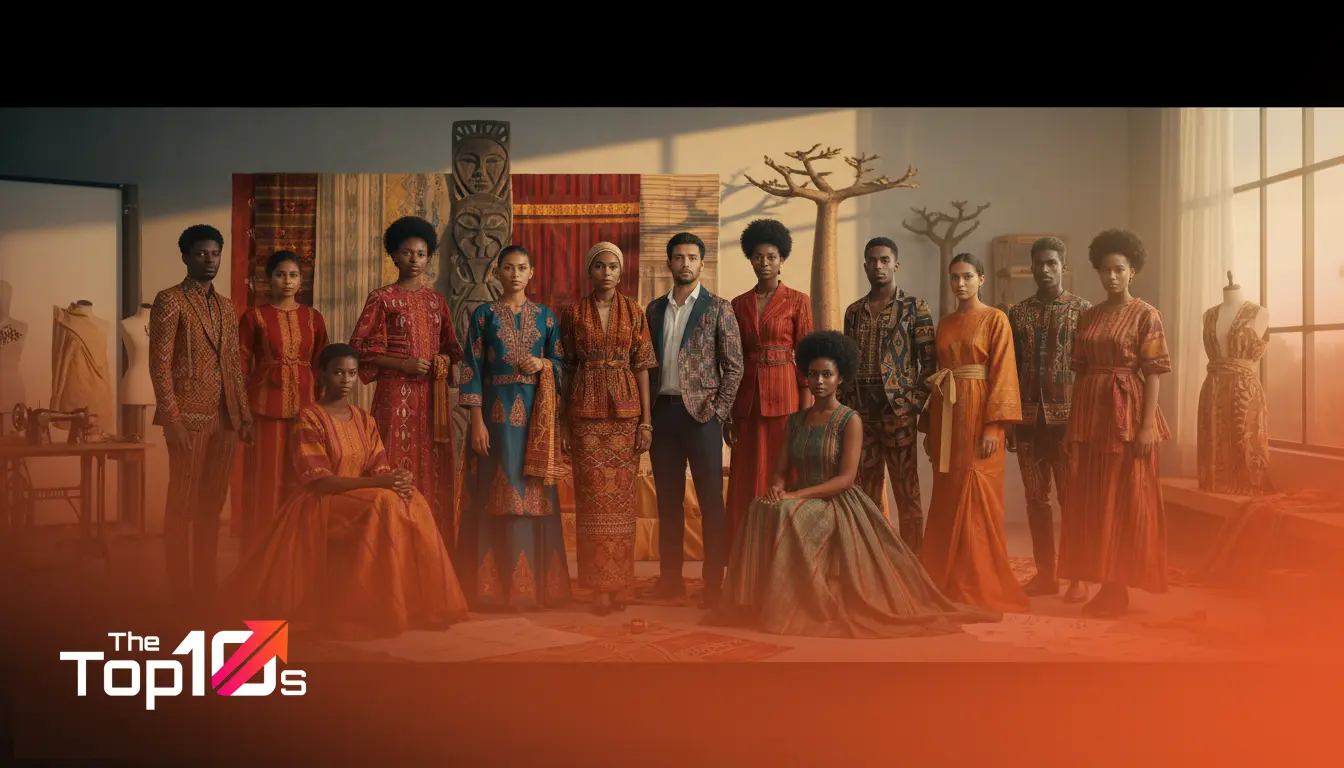
When you think of global style capitals, Paris or Milan likely spring to mind first. But if you shift your gaze to the Indian Ocean, you’ll find an island nation that has been quietly perfecting the art of “haute texture” for decades. Madagascar isn’t just about biodiversity; it is home to a textile heritage that rivals the most established markets in the world.
The fashion scene here is raw, tactile, and incredibly sophisticated. It’s where French couture techniques meet ancestral weaving traditions. I remember my first encounter with Malagasy wild silk—it didn’t feel like fabric; it felt like a story woven into a garment. For brands, buyers, or just lovers of unique apparel, overlooking this region means missing out on some of the most innovative craftsmanship currently happening in Africa.
Finding the right creative partner here requires knowing who actually moves the needle. It’s not about who has the most Instagram followers, but who understands the intricate balance between traditional raffia weaving and modern silhouettes. Whether you are looking for avant-garde runway pieces or ready-to-wear lines that breathe, the talent pool here is deep.
Quick Takeaways: Malagasy Fashion
- Material Matters: The best designers here embrace local resources, specifically raffia, cotton, and wild silk (landy).
- French Influence: Due to historical ties, you will notice a strong emphasis on precise tailoring and couture finishing techniques.
- Sustainable by Default: Slow fashion isn’t a trend here; it’s the standard operating procedure for most high-end ateliers.
- Versatility: The top talent ranges from bespoke menswear to sculptural, art-focused distinct womenswear.
How We Identified Leading Fashion Designers
Curating a list of this caliber isn’t about throwing names into a hat. We looked at the substance behind the labels. In Madagascar, the distinction between a seamstress and a fashion designer can sometimes blur, so we focused on professionals who demonstrate a clear, cohesive vision.
Our selection process relied on a few specific markers. First, we looked at longevity and consistency. Has the designer maintained a studio or presence over several seasons? Second, we evaluated their mastery of materials. In this market, handling raw fibers requires technical skill that goes beyond sketching. Finally, we considered their international footprint and local respect. The names below are recognized not just for their flair, but for their contribution to the industry’s professional standards.
List of 10 Best Fashion Designers in Madagascar
| SNO | Name | Best For |
|---|---|---|
| 1 | Eric Raisina | Buyers looking for statement pieces that function as wearable art. |
| 2 | Ben Andriamalala (Ben & Co) | Individuals needing world-class formal wear or business attire with a custom fit. |
| 3 | Ihoby Rabarijohn | Retailers seeking accessible, stylish clothing that appeals to professional women. |
| 4 | Hanta Ramakavelo (Aina Pendray) | Eco-conscious buyers and lovers of organic luxury. |
| 5 | Sariaka | Boutique owners looking for high-end resort wear or summer collections. |
| 6 | Bogasy (Creative Collective) | Fashion-forward consumers who want to buy into a lifestyle brand. |
| 7 | Clarel | Weddings, galas, and red-carpet events. |
| 8 | Tantely Rakotoarivelo | Cultural institutions or buyers interested in heritage fashion. |
| 9 | Mahefa (Sikina) | Trend-focused shops and younger demographics. |
| 10 | Mialy Seheno | Accessory buyers and concept stores. |
Top 10 Fashion Designers in Madagascar
The following individuals represent the spectrum of Malagasy creativity, from established masters of couture to the fresh voices redefining Antananarivo’s street style.
1. Eric Raisina
If there is a name synonymous with Malagasy haute couture globally, this is it. Having studied in Paris and worked with heavyweights like Yves Saint Laurent, Raisina brings an architectural approach to textiles. He doesn’t just pick fabrics; he invents them.
Specialization: Haute Texture & Couture
Why He Stands Out: Raisina is famous for his “silk fur” technique, where silk is manipulated to resemble fur or feathers. His work is vibrant, colorful, and incredibly detailed. He operates largely out of Siem Reap now but remains deeply rooted in his Malagasy heritage, often showcasing the island’s spirit in his intricate weaves.
Best For: Buyers looking for statement pieces that function as wearable art.
2. Ben Andriamalala (Ben & Co)
Menswear often gets overshadowed in fashion discussions, but Ben Andriamalala forces the spotlight back onto the gentlemen. His label, Ben & Co, has set a high bar for tailoring in Antananarivo. This isn’t about avant-garde experimentation; it is about the perfect cut.
Specialization: Bespoke Menswear & Suiting
Why He Stands Out: Ben understands the male silhouette. His suits are known for their sharp lines and impeccable fit, rivaling European bespoke houses. He uses high-quality wools and linens, ensuring that his clients look polished regardless of the tropical climate.
Best For: Individuals needing world-class formal wear or business attire with a custom fit.
3. Ihoby Rabarijohn
There is a quiet elegance to Ihoby Rabarijohn’s work that speaks volumes. She represents the modern woman of Madagascar—someone who values heritage but lives a contemporary, fast-paced life. Her designs often bridge the gap between office wear and evening elegance.
Specialization: Contemporary Ready-to-Wear
Why She Stands Out: Her ability to mix prints with solid, structural pieces is remarkable. She avoids the trap of making clothes that look like costumes, focusing instead on wearability. Her garments often feature subtle nods to traditional Malagasy attire without being literal interpretations.
Best For: Retailers seeking accessible, stylish clothing that appeals to professional women.
4. Hanta Ramakavelo (Aina Pendray)
Silk is the lifeblood of Malagasy fashion history, and Hanta Ramakavelo is one of its finest guardians. Through her brand, Aina Pendray, she elevates wild silk to a level of luxury that commands attention. Her work is a tribute to the “Landy,” the silk worm native to the island.
Specialization: Silk & Traditional Textiles
Why She Stands Out: Hanta focuses on the entire lifecycle of the garment, often involved in the sourcing of the silk cocoons themselves. Her designs are flowing, ethereal, and deeply respectful of the material. She dyes her fabrics using natural pigments, resulting in earthy, rich tones that synthetic dyes cannot replicate.
Best For: Eco-conscious buyers and lovers of organic luxury.
5. Sariaka
Sariaka brings a youthful, playful energy to the local scene. While many designers focus on formal wear, Sariaka captures the spirit of the weekend and the holiday. Her aesthetic is breezy, colorful, and unpretentious.
Specialization: Casual Chic & Resort Wear
Why She Stands Out: She has a fantastic eye for cottons and lighter fabrics that suit the island heat. Her cuts are forgiving yet flattering, often utilizing embroidery to add texture to simple silhouettes. It’s the kind of clothing that feels effortless.
Best For: Boutique owners looking for high-end resort wear or summer collections.
6. Bogasy (Creative Collective)
Bogasy isn’t just a label; it’s a movement. The brand has successfully modernized the “Malagasy dandy” look. They take the concept of retro elegance and inject it with a modern, urban attitude. It is distinctively African yet universally appealing.
Specialization: Modern Heritage & Smart Casual
Why They Stand Out: The brand is instantly recognizable by its clever use of accessories and hats paired with tailored separates. They champion the use of local textiles but cut them in ways that would look at home in Brooklyn or Shoreditch. Their branding and visual storytelling are among the best in the region.
Best For: Fashion-forward consumers who want to buy into a lifestyle brand.
7. Clarel
For those who appreciate drama and evening glamour, Clarel is a name to know. This designer does not do “basic.” The focus here is on occasion wear—gowns that are meant to be photographed and celebrated.
Specialization: Evening Wear & Bridal
Why He Stands Out: Clarel’s strength lies in draping. He understands how to manipulate fabric to create volume and movement. His gowns often feature intricate beadwork or lace applications, showcasing the skilled hand-finishing available in local ateliers.
Best For: Weddings, galas, and red-carpet events.
8. Tantely Rakotoarivelo
Innovation often comes from blending the old with the new. Tantely Rakotoarivelo excels at taking the “Lamba” (the traditional Malagasy garment) and reimagining it for the 21st century. Her work is culturally significant but commercially viable.
Specialization: Cultural Fusion
Why She Stands Out: She respects the geometry of traditional patterns but applies them to jackets, skirts, and trousers. It is intellectual fashion—clothes that make you think about the history of the wearer. Her finishing is precise, and her color palettes are often bold.
Best For: Cultural institutions or buyers interested in heritage fashion.
9. Mahefa (Sikina)
Representing the edgier side of Antananarivo, Mahefa (often associated with the brand Sikina) pushes boundaries. This is where street style meets high fashion. The vibe is rebellious, raw, and exciting.
Specialization: Urban & Streetwear
Why He Stands Out: Mahefa isn’t afraid to deconstruct garments. You might find raw hems, asymmetrical cuts, and mixed media in his work. He speaks to a younger demographic that wants to stand out from the conservative crowd.
Best For: Trend-focused shops and younger demographics.
10. Mialy Seheno
Rounding out our list is a designer who masters the art of accessories and raffia integration. Mialy Seheno proves that fashion isn’t just about the dress; it’s about the entire ensemble. Her work with natural fibers is technically astounding.
Specialization: Accessories & Fiber Art
Why She Stands Out: While she produces garments, her mastery of crocheted raffia and woven accessories sets her apart. She elevates humble materials into luxury items. Her bags and hats are not mere souvenirs; they are high-fashion statements.
Best For: Accessory buyers and concept stores.
What Defines a Great Fashion Designer in Madagascar?
Identifying talent in this specific region requires looking through a different lens than you might use in Europe or North America. The context here is heavily influenced by the availability of unique raw materials.
Mastery of Natural Fibers
A top-tier designer in Madagascar doesn’t just order polyester rolls. They understand the biology of their materials. Working with wild silk requires patience; it has a different tensile strength and texture than mulberry silk. Similarly, raffia is unforgiving—if you weave it poorly, it snaps or looks cheap. Great designers here turn these challenges into their signature aesthetic.
The “Fait Main” (Handmade) Standard
In many Western markets, “handmade” is a luxury add-on. Here, it is the baseline. The best designers maintain ateliers where embroidery, beading, and weaving are done by hand, not by machines. This human touch imparts a soul to the garments that mass production simply cannot replicate.
Cultural Intelligence
The most successful creatives here know how to navigate the “Lamba” tradition—the wrapping of cloth that signifies different life stages in Malagasy culture—while creating clothes that fit a modern, global lifestyle. They respect the past without getting stuck in it.
How to Choose the Right Fashion Designer for Your Needs
Making a choice depends entirely on your end goal. Are you looking for a manufacturing partner, a wedding dress, or a brand collaboration? Here is a framework to help you decide.
Check Their Production Capacity
If you are a buyer looking to stock a boutique, ask about lead times immediately. Because so much is handmade, production cannot always be rushed. A designer like Eric Raisina operates differently than a local tailor. If you need larger scale sourcing or connections to the broader Southern African textile industry, you might look at resources like https://fashionmanufacturers.co.za/ to understand the regional manufacturing capabilities that can support these designers.
Evaluate Their Fabric Sources
Ask where the materials come from. A designer who sources their silk from local rural cooperatives is offering you a product with a story and a lower carbon footprint. If they are importing standard fabrics, ensure the quality justifies the cost.
Review the “Inside”
My golden rule for judging a designer: turn the garment inside out. In Madagascar, the French influence on tailoring means the interior of a jacket should be as beautiful as the exterior. Look for clean seams, proper lining, and hand-finished hems.
Frequently Asked Questions
Is fashion from Madagascar expensive?
It depends on your reference point. Compared to European haute couture, it is exceptionally affordable. However, compared to fast fashion, the prices are higher because you are paying for natural materials (like silk) and labor-intensive hand craftsmanship. You are buying longevity, not disposability.
Can these designers ship internationally?
Most established designers in Madagascar are accustomed to working with international clients and have logistics solutions in place. However, shipping from the island can sometimes be slower and more costly than from mainland hubs, so factor this into your timeline.
What is the best fabric to buy from Malagasy designers?
Undoubtedly, Wild Silk (Landy) and Raffia. These are the signatures of the island. Cotton production is also high quality, but the silk and raffia work is unique to this region.
Do these designers do custom work?
Yes, the culture of “sur-mesure” (made-to-measure) is very strong here. Almost all the designers listed above offer bespoke services, allowing for a high degree of personalization.
Final Thoughts on Malagasy Style
Exploring the work of fashion designers in Madagascar is an education in texture and patience. The industry here hasn’t been corrupted by the need for instant gratification. Instead, it remains focused on the human element of creating clothes—the weaver, the tailor, and the artist.
Whether you are looking to collaborate with a brand or simply want to own a piece of wearable art, the talent on this island is undeniable. Don’t just look for a label; look for the hands that made it. That is where the real value lies.