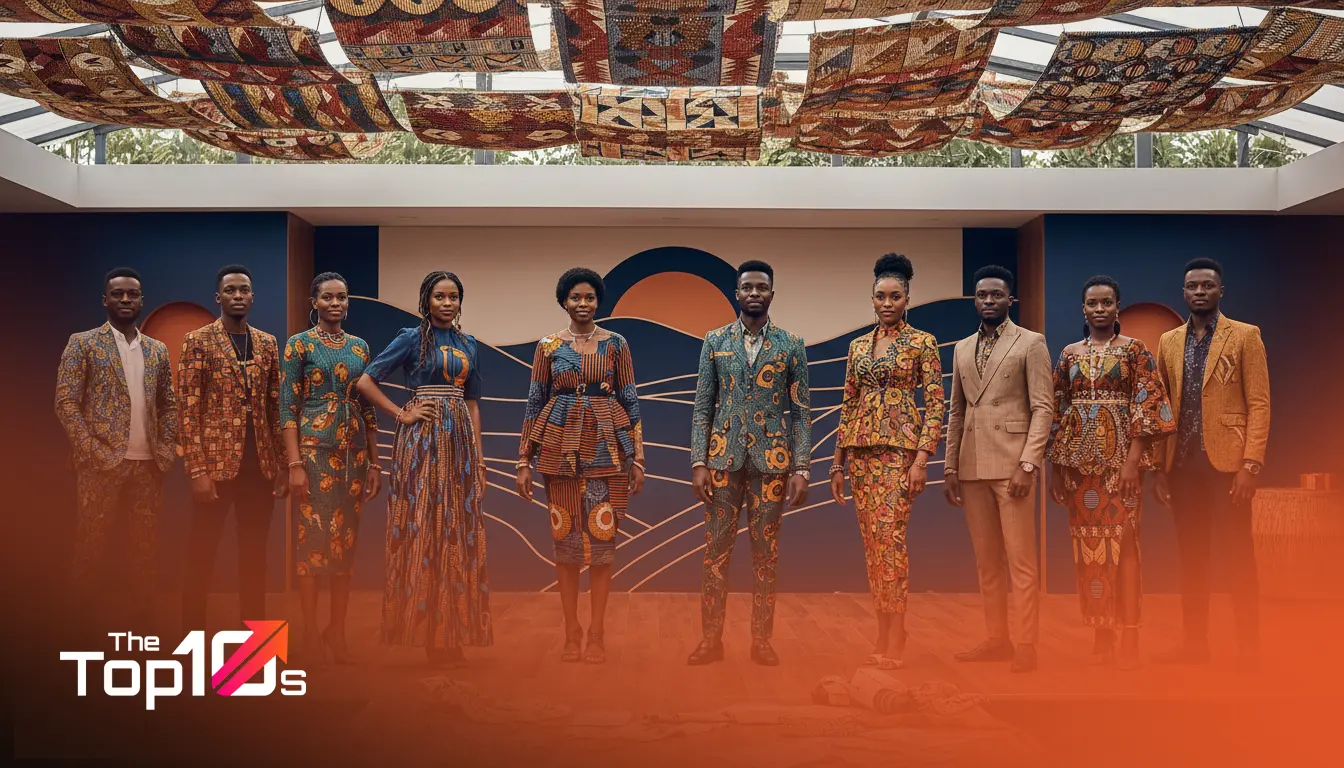
Walk through the streets of Lilongwe or Blantyre today, and you will notice a distinct shift in the air. The “Warm Heart of Africa” isn’t just pulsating with culture anymore; it is strutting with sartorial confidence. For years, the narrative around African fashion often got lumped into a single category of traditional print, but Malawian designers are actively dismantling that stereotype one stitch at a time. We are seeing a fusion of heritage fabrics like Chitenje with avant-garde silhouettes that wouldn’t look out of place in Milan or Paris.
You might be looking for a bespoke suit for a high-stakes corporate event, a bridal gown that tells a story, or perhaps you are a retailer scouting for fresh talent. Finding the right creative partner is crucial. It is not just about who can sew a straight line; it is about finding a visionary who understands fabric physics, body types, and the delicate balance between trend and timelessness.
The talent pool in Malawi is deeper than most observers realize. From self-taught prodigies to classically trained experts, the options are diverse. However, navigating this space can be tricky without a roadmap. Who delivers on time? Who specializes in menswear versus couture? We have curated a guide to help you distinguish the true artisans from the hobbyists.
Quick Takeaways: Malawian Fashion Scene
- Hybrid Aesthetics: The top tier designers expertly blend Western cuts with African textiles.
- Specialization Matters: Distinct divides exist between menswear tailors and bridal couture specialists; choose accordingly.
- Sourcing is Key: Many designers now produce their own custom prints rather than relying solely on market-bought fabrics.
- Lead Times: Custom garments from high-demand designers often require booking 4-8 weeks in advance.
How We Identified Leading Fashion Designers
Selecting the top names in an industry as subjective as fashion requires more than just looking at Instagram follower counts. We analyzed the local market based on several critical indicators to ensure this list represents genuine quality and reliability.
First, we looked at consistency. Anyone can make one good dress, but a true designer delivers high-quality collections season after season. We examined participation in major platforms like Malawi Fashion Week and international showcases to see who is maintaining professional standards.
Second, we evaluated technical versatility. We sought out creatives who demonstrate a mastery of pattern making and structure. A great portfolio should show range—handling difficult fabrics like silk or structuring heavy brocades. Finally, we listened to the community. Reputation in Malawi travels fast. We paid attention to client feedback regarding professionalism, ability to meet deadlines, and the overall client experience.
List of 10 Best Fashion Designers in Malawi
| SNO | Name | Best For |
|---|---|---|
| 1 | Lilly Alfonso | Red carpet appearances, gala events, and individuals who view their wardrobe as an investment |
| 2 | Christian Miza | Grooms, corporate executives, and men who want a suit that fits better than off-the-rack options |
| 3 | Xandria (Alexandra Tamanda Kanjedza) | Launch parties, music videos, or anyone wanting to be the center of attention |
| 4 | Phiona N | Brides and wedding guests looking for sophistication |
| 5 | Tawile Designs (Tawile Kajiwa) | Building a versatile wardrobe that celebrates African heritage daily |
| 6 | Kier8 (Gladys Gondwe) | The modern professional woman who needs to transition from the boardroom to a dinner date |
| 7 | Roy View | Artists, performers, and trendsetters |
| 8 | MisK (Mable Khonje) | Curvy women who are tired of hiding behind baggy clothes and want to celebrate their shape |
| 9 | Evans Wire | Engagement parties and grooms seeking a unique look |
| 10 | Ben G | Cultural ceremonies and government or formal functions |
Top 10 Fashion Designers in Malawi
Here are the creatives currently shaping the visual identity of Malawian fashion, ranging from established icons to bold innovators.
1. Lilly Alfonso
You cannot discuss Malawian fashion without starting here. Lilly Alfonso has effectively become the face of the nation’s design capability on the global stage. Her label, the “100 Year Plan,” reflects a mindset of longevity and legacy rather than fleeting trends.
Specialization: High-end Couture and Ready-to-Wear
Why they stand out: Alfonso’s work is characterized by immaculate draping and a sophisticated use of color. She doesn’t just design clothes; she engineers them to move with the body. Her collections have graced runways from London to Cairo, proving that Malawian design competes at an international standard.
Best for: Red carpet appearances, gala events, and individuals who view their wardrobe as an investment.
2. Christian Miza
For a long time, the spotlight skewed heavily toward womenswear, but Christian Miza shifted that balance. He represents the pinnacle of modern Malawian menswear, bringing a sharp, architectural approach to suiting.
Specialization: Bespoke Menswear and Suiting
Why they stand out: Miza understands the “cut.” His suits are not merely covered bodies; they enhance the wearer’s stature. He often experiments with textures, mixing traditional wools with subtle African accents without letting the print overpower the tailoring.
Best for: Grooms, corporate executives, and men who want a suit that fits better than off-the-rack options.
3. Xandria (Alexandra Tamanda Kanjedza)
If you are looking for drama and distinctiveness, Xandria is the label to watch. Alexandra Kanjedza brings a youthful, rebellious energy to the scene, often challenging conventional silhouettes.
Specialization: Avant-Garde and Contemporary Womenswear
Why they stand out: Her designs often feature bold structural elements—think oversized sleeves, asymmetrical hemlines, and unexpected fabric combinations. She isn’t afraid to take risks, making her a favorite for fashion-forward clients who want to make a statement.
Best for: Launch parties, music videos, or anyone wanting to be the center of attention.
4. Phiona N
Phiona Nyasulu has carved out a niche that focuses on elegance and femininity. Her design philosophy seems rooted in the idea of “wearable grace,” avoiding overly complicated structures in favor of clean, flowing lines.
Specialization: Bridal and Evening Wear
Why they stand out: The detailing in a Phiona N garment is often where the magic lies. Whether it is intricate beading or lace placement, she demonstrates a patience and precision that is rare. Her bridal work is particularly sought after for its ability to merge modern trends with modesty and tradition.
Best for: Brides and wedding guests looking for sophistication.
5. Tawile Designs (Tawile Kajiwa)
Tawile Kajiwa is a master of print. While many designers use Chitenje, Tawile manages to manipulate the busy patterns in a way that looks curated rather than chaotic.
Specialization: Afro-Modern Casual and Smart Casual
Why they stand out: Her brand makes African fashion accessible for everyday wear. You don’t need a gala to wear Tawile; her pieces fit perfectly in a modern office or a weekend brunch. She has a keen eye for mixing prints, a skill that requires a deep understanding of color theory.
Best for: Building a versatile wardrobe that celebrates African heritage daily.
6. Kier8 (Gladys Gondwe)
Gladys Gondwe, operating under the label Kier8, brings a polished, cosmopolitan vibe to the local industry. Her aesthetic often mirrors global fashion currents but interprets them through a Malawian lens.
Specialization: Urban Chic and Cocktail Attire
Why they stand out: Kier8 represents the modern woman. The cuts are often sleek, body-conscious without being restrictive, and practical. Gondwe consistently delivers collections that feel cohesive, telling a clear story from the first look to the last.
Best for: The modern professional woman who needs to transition from the boardroom to a dinner date.
7. Roy View
Roy View has gained traction by blending streetwear elements with high fashion. This is the new guard of Malawian design, appealing heavily to a younger, trend-conscious demographic.
Specialization: Street Style and Urban Wear
Why they stand out: There is a rawness to Roy View’s work that feels energetic. From bomber jackets using localized prints to cargo pants with unique detailing, this brand captures the pulse of Blantyre’s youth culture.
Best for: Artists, performers, and trendsetters.
8. MisK (Mable Khonje)
Inclusivity is a growing conversation in fashion, and Mable Khonje has been a vocal advocate through her work. Her label, MisK, focuses on celebrating diverse body shapes.
Specialization: Plus Size Fashion and Custom Styling
Why they stand out: Khonje understands that grading a pattern up isn’t enough; the design must change to flatter curves. Her garments provide structure and support while maintaining high-fashion aesthetics. She uses bold colors fearlessly.
Best for: Curvy women who are tired of hiding behind baggy clothes and want to celebrate their shape.
9. Evans Wire
Another strong contender in the menswear space, Evans Wire brings a creative flair to traditional tailoring. He often incorporates embroidery and unique lapel shapes to differentiate his pieces.
Specialization: Creative Grooming and Ceremonial Wear
Why they stand out: If Christian Miza is the classic architect, Evans Wire is the artist. His suits often feature unique embellishments or non-traditional colors (teals, burgundies, burnt oranges) that appeal to men willing to step outside the grey/navy box.
Best for: Engagement parties and grooms seeking a unique look.
10. Ben G
Rounding out our list is Ben G, a designer known for reliability and classic techniques. He has been a staple in the industry, dressing various public figures and maintaining a loyal clientele.
Specialization: Traditional Formal Wear
Why they stand out: Ben G excels at the “National Wear” aesthetic—garments that feel distinctly Malawian and respectful of cultural norms while looking sharp. His finishing is notably clean, ensuring no loose threads or uneven hems.
Best for: Cultural ceremonies and government or formal functions.
What Defines a Great Fashion Designer in Malawi?
Identifying a skilled designer goes beyond admiring a sketch. In the local context, specific attributes separate the professionals from the amateurs.
Mastery of Local vs. Imported Fabrics
A top-tier designer knows that Chitenje (cotton wax print) behaves differently than imported chiffon or silk. Chitenje has little to no stretch. A great designer accounts for this in the pattern making, ensuring you can sit, drive, and dance without the garment tearing. If you are interested in exploring more about the business side of fashion or other industries, you can check this list of companies in Malawi for broader context.
Interpretation of Cultural Nuance
Malawi has a conservative undercurrent mixed with modern expression. Great designers navigate this balance effortlessly. They know how to make a hemline shorter or a neckline deeper without crossing the line of what is socially acceptable for specific functions like church weddings or traditional engagements (Chinkhoswe).
Client Collaboration
The best designers are excellent listeners. They do not just impose their vision; they adapt their signature style to fit your personality. They will tell you honestly if a specific fabric won’t hold the shape of the dress you want, rather than sewing it and letting you find out later.
How to Choose the Right Fashion Designer for Your Needs
Committing to a custom garment is an investment of both money and trust. Here is a framework to ensure you make the right choice.
Assess Your Specific Need
Are you looking for a three-piece suit or an evening gown? While some designers are generalists, the best results usually come from specialists. Don’t hire a streetwear expert to make your bridal gown unless you want a very specific, unconventional look.
Review the “Real” Portfolio
Instagram can be filtered. Ask to see photos of clients tagging the designer, not just the professional photoshoots. Look at how the clothes fit on regular bodies, not just professional models. Check the zippers, the lining, and how the garment sits on the shoulders.
Discuss Timelines Early
Malawian “time” can sometimes be flexible. Be very clear about your deadline. A professional designer will schedule fittings (usually two or three) leading up to the date. If they say they don’t need a fitting, that is a red flag for bespoke work.
Frequently Asked Questions
How much does a custom dress cost in Malawi?
Pricing varies significantly based on the designer’s reputation and the complexity of the piece. A simple custom dress might start around MK 40,000, while intricate couture gowns from top designers like Lilly Alfonso can range from MK 300,000 to over MK 1,000,000 depending on materials.
Do I need to buy my own fabric?
It depends. Many tailors require you to bring fabric (often purchased from local markets). However, high-end designers usually prefer to source the fabric themselves to ensure quality, or they may have exclusive prints. Always clarify this during the consultation.
How long in advance should I book a designer for a wedding?
For a bridal gown, you should begin the process at least 3 to 6 months in advance. Top designers have limited slots per season. For guest attire or suits, 4 to 6 weeks is the recommended lead time to allow for fittings and adjustments.
Can these designers work remotely if I am outside Malawi?
Yes, several established designers are accustomed to working with the diaspora. They will guide you on how to take your own measurements (or have a local tailor take them) and can ship the finished garments via DHL or FedEx. However, this requires precise communication regarding fit.
What is the difference between a tailor and a fashion designer?
A tailor generally sews garments based on instructions or pictures you provide. A fashion designer creates an original concept, advises on styling, creates patterns from scratch, and manages the entire creative vision of the look.
Next Steps for Your Fashion Journey
The Malawian fashion industry is currently in a golden era of creativity. Whether you choose the structural brilliance of Xandria or the classic luxury of Christian Miza, you are engaging with artists who pour immense passion into their craft.
Your next move? Don’t just browse online. Schedule a consultation. Bring your references, but leave room for their professional input. The magic of bespoke fashion happens in the collaboration between your desire and their expertise. By supporting these designers, you aren’t just buying clothes; you are investing in a growing cultural economy that is finally getting the recognition it deserves.