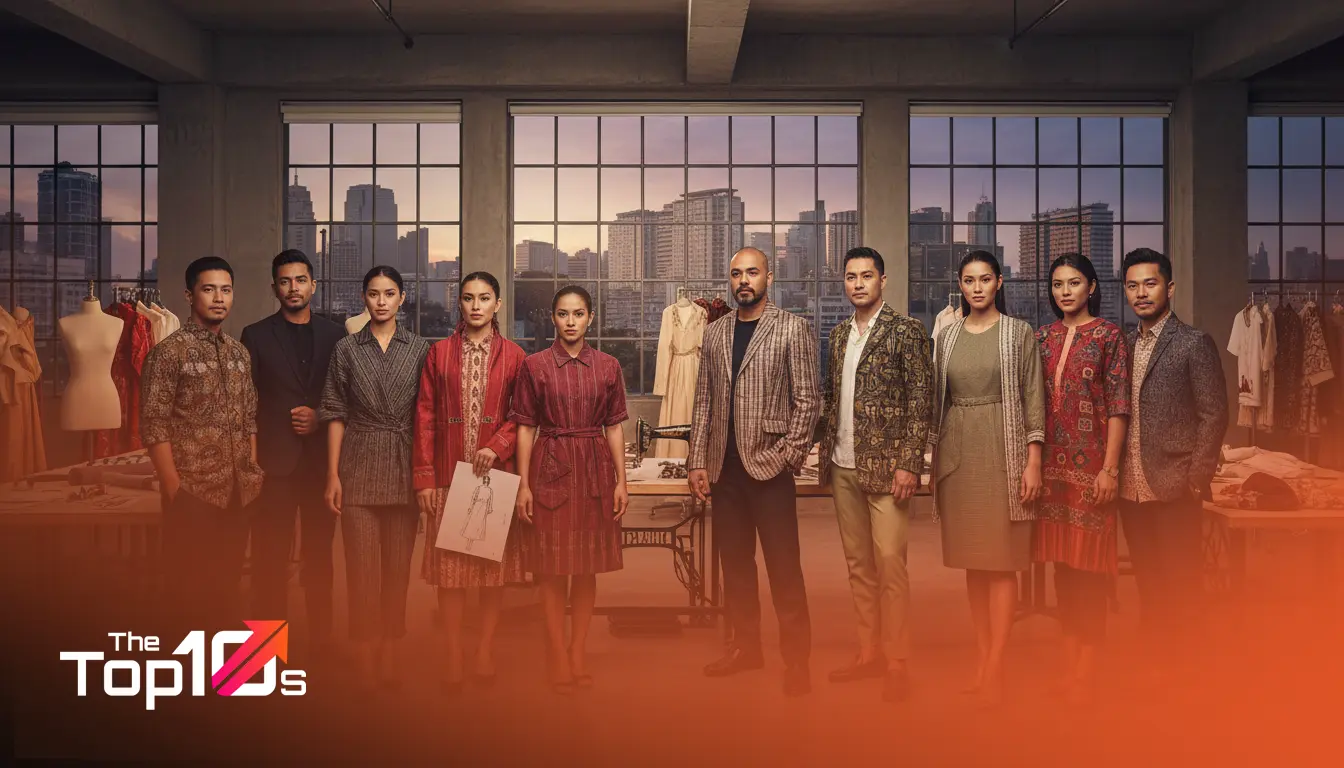
Manila’s fashion scene is a chaotic, beautiful paradox. You have the stifling tropical heat battling against an insatiable hunger for heavy, intricate embroidery. You have centuries-old colonial influences clashing with—and eventually hugging—modern streetwear sensibilities. Finding the right creative partner in this city isn’t just about who can sew a straight line; it’s about finding someone who understands the rhythm of the city and the body of the person living in it.
If you have ever tried to navigate the world of custom tailoring or high-end ready-to-wear in the Philippines, you know it can be overwhelming. There are thousands of talented seamstresses and designers scattered from Quezon City to Makati. Yet, a specific tier of artistry exists here that competes on the global stage. These are the visionaries transforming pineapple fibers into ballgowns and turning architectural concepts into wearable art.
Whether you are a bride hunting for that once-in-a-lifetime silhouette, a brand owner looking for inspiration, or simply a fashion enthusiast, knowing who leads the pack is essential. We aren’t just looking for fame here; we are looking for consistency, innovation, and that rare ability to make fabric speak.
Quick Takeaways
- Heritage Matters: The best designers in Manila often blend traditional Filipino textiles (like Piña and Inabel) with contemporary cuts.
- Lead Times are Real: For bespoke couture, top-tier designers often require 4 to 8 months of lead time, especially during wedding season.
- Diverse Aesthetics: The scene ranges from maximalist, bead-heavy drama (think Miss Universe) to minimalist, structural tailoring.
- Consultation is Key: Unlike buying off the rack, the relationship with a Manila designer is collaborative. Chemistry is as important as the portfolio.
How We Identified Leading Fashion Designers
Selecting the most influential figures in a creative field is inherently subjective, but we aimed for a grounded, research-backed approach. We didn’t simply look at Instagram follower counts, as social media metrics often skew toward viral moments rather than sustained excellence.
Our methodology focused on professional longevity and peer recognition. We looked for designers who have consistently delivered collections over the last decade, weathering the shifts in retail and economy. We analyzed client feedback regarding craftsmanship—specifically fit and finish—because a beautiful sketch means nothing if the garment restricts movement or falls apart after one wear.
Furthermore, we considered their contributions to the local industry. Did they innovate with local materials? Have they represented the Philippines on international runways? The names on this list are recognized not just for their personal branding, but for the tangible quality of the garments that leave their ateliers.
List of 10 Best Fashion Designers in Manila
| SNO | Name | Best for |
|---|---|---|
| 1 | Michael Cinco | Bride hunting for that once-in-a-lifetime silhouette |
| 2 | Rajo Laurel | Modern socialite or professional who values elegance with a witty twist |
| 3 | Francis Libiran | Evening wear and menswear that feels armor-like yet fluid |
| 4 | Inno Sotto | Sophisticated client who understands that true luxury whispers rather than shouts |
| 5 | Cary Santiago | Collector, the woman who wants to wear something that requires engineering as much as sewing |
| 6 | Vania Romoff | Bohemian bride or the woman who wants to look polished without feeling constricted |
| 7 | Joey Samson | Creative professional or the bride who wants to wear a tuxedo or a structural suit to her wedding |
| 8 | Mak Tumang | Pageantry, galas, and any occasion where the dress needs to tell a specific story |
| 9 | Puey Quiñones | High-fashion drama that feels current and slightly edgy |
| 10 | Rhett Eala | Woman who values artistic expression and wants a garment that no one else in the world will have |
Top 10 Fashion Designers in Manila
The following individuals represent the vanguard of Philippine fashion. Each brings a distinct philosophy to the cutting table, catering to different tastes, budgets, and occasions.
1. Michael Cinco
While often associated with Dubai, Michael Cinco’s roots and influence in Manila are undeniable. He represents the pinnacle of “impalpable dream” couture. His aesthetic is unapologetically maximalist, often characterized by volume, intricate crystallization, and dramatic silhouettes that demand attention.
Cinco is a master of storytelling through fabric. His gowns often feel like they belong in a dark fairy tale or a royal court. He specializes in bridal and evening wear that defies gravity and modesty. If you are looking for subtlety, look elsewhere. This designer is best suited for clients who want their entrance to be the event itself.
2. Rajo Laurel
Few names are as synonymous with Filipino fashion as Rajo Laurel. With decades of experience, he has mastered the balance between avant-garde creativity and commercial viability. His strength lies in his versatility; he can execute a razor-sharp corporate uniform just as flawlessly as a bead-encrusted gala gown.
Laurel is particularly known for his modernize Filipiniana, often reimagining the traditional terno sleeves for the contemporary woman. His House of Laurel offers both bespoke services and high-end ready-to-wear, making his aesthetic accessible to a wider demographic. He is ideal for the modern socialite or professional who values elegance with a witty twist.
3. Francis Libiran
If you appreciate structure and lines, Francis Libiran is the name to know. His background in architecture heavily influences his fashion design, resulting in garments that feature Art Deco patterns, laser-cut details, and precise linear embellishments.
Libiran has gained massive international traction, having been featured on “America’s Next Top Model” and worn on Hollywood red carpets. However, his Manila atelier remains his creative heart. He specializes in evening wear and menswear that feels armor-like yet fluid. He is the perfect match for clients who want a garment that photographs exceptionally well from every angle.
4. Inno Sotto
Often referred to as the “Prince of Philippine Fashion,” Inno Sotto is the standard-bearer for classic elegance. He avoids the trend-chasing that consumes younger designers, opting instead for timeless silhouettes, luxurious fabrics, and impeccable draping.
Sotto’s work is characterized by restraint. He knows exactly when to stop adding details, which is a rare skill in a culture that loves “more is more.” His specialization is couture that respects the woman wearing it, never overpowering her personality. He is best suited for the sophisticated client who understands that true luxury whispers rather than shouts.
5. Cary Santiago
Cary Santiago is a fabric manipulator of the highest order. Based in Cebu but dominating the national conversation, his work is often described as wearable sculpture. He rarely uses beads or crystals to create impact; instead, he folds, pleats, and molds the fabric itself to create 3D birds, flowers, and intricate patterns.
His technique is distinct and instantly recognizable. A Santiago gown is a technical marvel, often defying the softness of the material used. He specializes in evening wear that doubles as art. This is for the collector, the woman who wants to wear something that requires engineering as much as sewing.
6. Vania Romoff
Vania Romoff brings a breath of fresh air to the local scene with an aesthetic that is unapologetically feminine, soft, and romantic. Moving away from the structured, stiff gowns of the past, Romoff embraces fluidity. Her designs often feature ruffles, delicate lace, and muted color palettes.
She has captured the hearts of the younger bridal market and the stylish “It Girls” of Manila. Her strength lies in making formal wear feel effortless and comfortable, fitting the tropical climate perfectly. She is the ideal choice for the bohemian bride or the woman who wants to look polished without feeling constricted.
7. Joey Samson
Joey Samson is the disruption the industry needed. He is celebrated for his androgynous aesthetic and deconstructionist approach. He takes classic menswear elements and translates them into womenswear, and vice versa, blurring the lines of gendered fashion long before it became a global trend.
Samson’s work is intellectual. He plays with proportions, raw edges, and unexpected layering. He is not the designer for a standard princess ballgown. He is best suited for the creative professional or the bride who wants to wear a tuxedo or a structural suit to her wedding.
8. Mak Tumang
Catapulted to global fame after dressing Miss Universe Catriona Gray, Mak Tumang is the king of thematic execution. His design process is deeply research-intensive, often pulling inspiration from Philippine history, folklore, and nature.
Tumang is a maximalist who isn’t afraid of color or innovative textile technology. His “Lava Gown” proved his ability to manipulate color gradients and crystal placement to create motion even when the wearer is standing still. He is best suited for pageantry, galas, and any occasion where the dress needs to tell a specific story.
9. Puey Quiñones
Puey Quiñones has experienced a career resurgence that highlights his maturity as an artist. Known for his dramatic draping and voluminous silhouettes, he creates garments that have a monastic yet grandiose quality. He often works with heavy cocoon silk and taffeta.
His recent collections show a mastery of the “less is more” philosophy but on a large scale. He uses volume rather than embellishment to create presence. Quiñones is an excellent choice for clients who want high-fashion drama that feels current and slightly edgy.
10. Rhett Eala
Rhett Eala is a veteran who successfully reinvented the visual language of Filipiniana. He is famous for painting directly onto fabrics, creating one-of-a-kind textiles that serve as the canvas for his designs. His work often features bold, abstract strokes or floral motifs.
Eala bridges the gap between art and fashion quite literally. His silhouettes are often simple—column gowns, oversized tops—to let the painted details shine. He is best suited for the woman who values artistic expression and wants a garment that no one else in the world will have.
What Defines a Great Fashion Designer in Manila?
Understanding the Manila fashion ecosystem requires more than just knowing names; it requires understanding the context in which these creatives operate. A truly great designer here navigates specific challenges that Western counterparts might not face.
First is the mastery of climate-appropriate luxury. Manila is humid. A designer who layers heavy velvet without considering breathability fails the client. The best creatives understand how to use natural fibers like Piña (pineapple fiber), Jusi (banana fiber), and lightweight silks to create volume without inducing heatstroke. They structure garments to hover off the skin rather than cling to it.
Second is the cultural balancing act. There is a deep respect for heritage in the Philippines. Great designers know how to honor the Terno (the butterfly-sleeved national dress) without making it look like a costume. They modernize indigenous weaves from tribes in the North or South, integrating them into business wear or evening gowns in a way that is respectful and ethical.
Finally, it comes down to the “sastre” (tailor) culture. In Manila, custom clothing is not just for the ultra-wealthy; it is a cultural norm for special occasions. Therefore, a great designer must possess exceptional client management skills. They act as therapists and confidants, translating a client’s insecurities into confidence through cut and cloth.
How to Choose the Right Fashion Designer for Your Needs
Finding the perfect designer is like dating; compatibility is everything. Just because a designer is famous doesn’t mean they are the right fit for your specific body type or event. Here is a practical framework to help you decide.
Assess Your Aesthetic Alignment
Review their past three collections. Do you see yourself in those clothes? If you love minimalism, do not book a designer known for heavy beadwork hoping they will change their style for you. It usually leads to frustration on both sides. Choose a specialist, not a generalist.
Understand the Timeline
Manila operates on “Filipino time” in social settings, but production schedules are rigid. For a wedding gown, start the conversation 8 to 12 months in advance. For formal wear, 3 to 4 months is safe. If a designer promises a complex bespoke gown in two weeks, be wary. Quality craftsmanship takes time, especially when hand-embroidery is involved.
Budget Transparency
Be upfront about your numbers. In Manila, there is a wide range of pricing. Some designers have a minimum starting price for custom work. Asking “What can you do for X amount?” is a valid question. A professional will either offer a solution within that range or refer you to a colleague who can.
Location and Logistics
Traffic in Metro Manila is notorious. If you live in Alabang and your designer is in Quezon City, fitting appointments will consume entire days. Consider the logistics of visiting the atelier 3 to 5 times before the event. Sometimes, a talented local designer near your area is a better practical choice than a famous name across the metropolis.
Frequently Asked Questions
How much does a custom wedding gown cost in Manila?
Prices vary wildly based on the designer’s tier. Emerging talent might charge between PHP 50,000 to PHP 100,000. Established names usually start around PHP 150,000 to PHP 300,000, while top-tier celebrity designers can easily charge PHP 500,000 to over PHP 1 million for intricate couture pieces.
Do these designers offer ready-to-wear (RTW) options?
Yes, many have adapted to the market. Designers like Rajo Laurel (House of Laurel) and Vania Romoff have robust RTW lines available in boutiques or online. This is a great way to wear their label without the time commitment and expense of bespoke services.
What is the difference between “Made-to-Measure” and “Bespoke”?
In the local context, made-to-measure often means taking an existing design from the rack and altering it to your measurements. Bespoke implies starting from scratch—a unique sketch, a new pattern drafted specifically for your body, and multiple fittings to refine the design.
Can I ask a designer to copy a dress I saw on Pinterest?
While you can bring photos for inspiration, top-tier designers will refuse to create a replica. They value their intellectual property and yours. They will use the image to understand the “vibe” or silhouette you like, but will propose an original design that flatters you specifically.
Is sustainable fashion growing in Manila?
Absolutely. There is a strong movement towards using deadstock fabrics, natural dyes, and supporting local weaving communities. Designers are increasingly conscious of their carbon footprint, and if this is important to you, ask about their sourcing practices during your consultation.
Conclusion
The fashion landscape in Manila is vibrant, resilient, and incredibly diverse. It offers a unique blend of Old World hospitality and cutting-edge design thinking. Whether you choose the architectural precision of Francis Libiran or the romantic softness of Vania Romoff, you are engaging with an industry that puts heart into every stitch.
Fashion in Southeast Asia is incredibly diverse; for instance, the aesthetic sensibilities here differ largely from the top 10 fashion designers in Bangkok, offering a distinct tropical richness. Your choice ultimately depends on who makes you feel the most confident.
Don’t be afraid to set up consultations with two or three designers before committing. Ask questions about their process, touch the fabrics, and gauge the connection. The right designer will not just dress you; they will collaborate with you to bring your vision to life. In a city as expressive as Manila, your clothing is your voice—make sure it’s saying exactly what you want it to say.