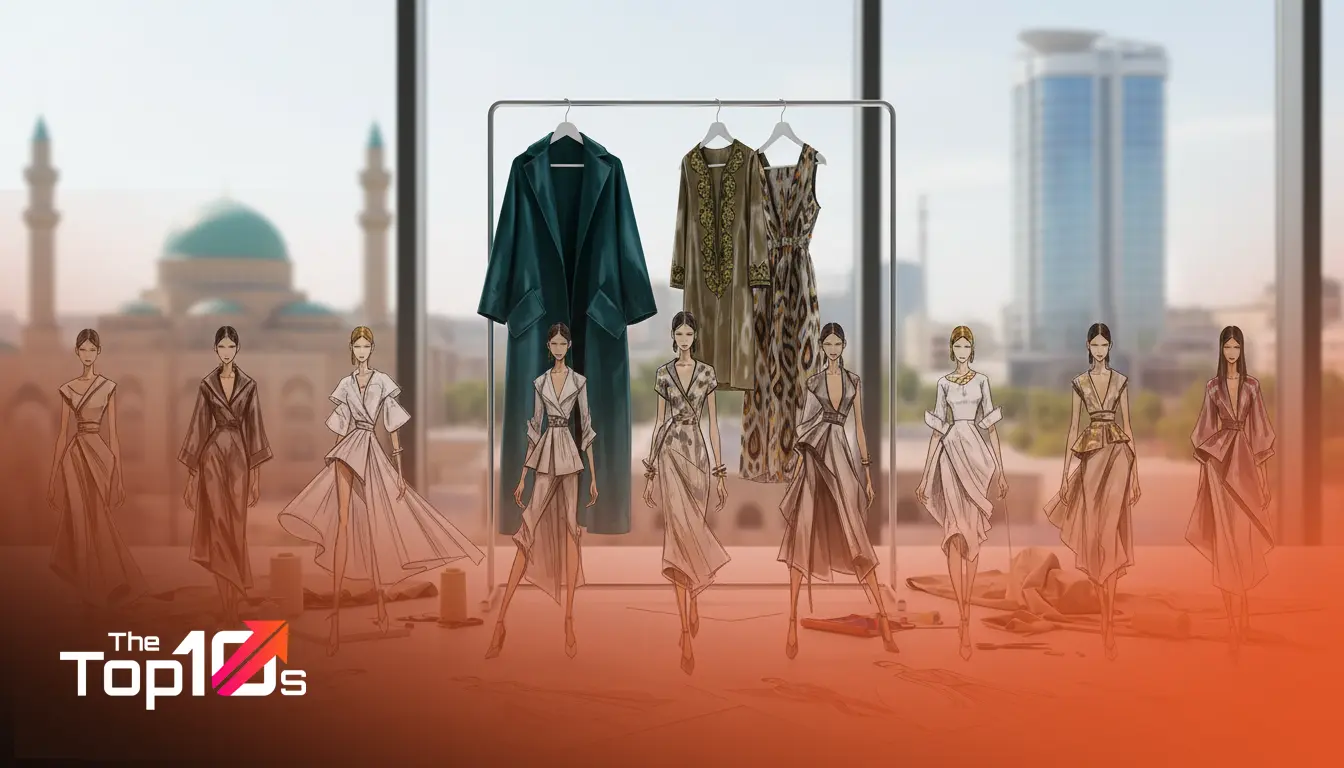
Walk through the bustling streets of Chorsu or the modern avenues near Amir Timur Square, and you notice something distinct about the style in Uzbekistan’s capital. It isn’t just about following global trends; it is about rewriting them with a deep respect for heritage. Finding the right creative partner to translate your personal style into clothing is a significant decision. It involves trusting someone with your image, your comfort, and often, a considerable budget.
The fashion scene here is undergoing a fascinating evolution. We see a seamless blend where centuries-old ikat weaving techniques meet sharp, contemporary tailoring. The best fashion designers in Tashkent understand this duality. They know how to work with the weight of heavy velvet for a winter coat or the breathability of lightweight silk for the scorching summer months. Whether you need a bespoke wedding ensemble or a sharp business wardrobe, the talent pool in this city is surprisingly deep.
Quick Takeaways: Tashkent Fashion Scene
- Heritage is Key: Top designers frequently incorporate traditional fabrics like adras, shoyi, and velvet into modern cuts.
- Customization is Standard: Unlike Western fast fashion, the culture here heavily favors made-to-measure (atelier) services.
- Diverse Aesthetics: The scene ranges from opulent, embroidery-heavy bridal wear to grunge-inspired urban streetwear.
- Timeline Matters: High-quality bespoke pieces often require weeks for production, especially during wedding season.
You might be wondering where to start looking. With so many boutiques and ateliers popping up, distinguishing true craftsmanship from good marketing can be tricky. This guide cuts through the noise to highlight the creative minds shaping the visual language of the city.
How We Identified Leading Fashion Designers
Selecting the top talent in a city as culturally rich as Tashkent requires more than just looking at Instagram follower counts. Our approach focuses on substance, consistency, and artistic integrity. We analyzed these professionals based on signals that matter to actual clients rather than just industry insiders.
We looked for designers who demonstrate a profound understanding of garment construction. It is not enough to sketch a pretty dress; the execution must handle the complexities of fit and fabric movement. We considered the longevity of their brands. Fashion is a volatile industry, and those who have maintained a studio or label for years usually do so through consistent quality and client satisfaction.
Research also involved looking at stylistic identity. Does the designer have a clear voice? Whether they focus on avant-garde deconstruction or preserving traditional embroidery techniques, the top fashion designers in Tashkent possess a recognizable signature. We also took into account public reputation and the accessibility of their collections, ensuring these are active professionals ready to work with clients.
List of 10 Best Fashion Designers in Tashkent
| SNO | Name | Best for |
|---|---|---|
| 1 | Dildora Kasimova | Elegant evening wear and sophisticated, culturally rooted ensembles. |
| 2 | Zulfiya Sulton | Modern women seeking sharp tailoring and unique ready-to-wear pieces. |
| 3 | Lali Fazylova (LALI) | Luxury couture and high-end bespoke traditional fusion wear. |
| 4 | Saida Amir | Artistic, avant-garde styles and intellectual fashion statements. |
| 5 | Dilnoza Umirzakova (Anor Atelier) | Vibrant, pattern-heavy outfits and modern interpretations of national costume. |
| 6 | Kanishka (Alexey Manko) | High-quality leather goods, streetwear, and casual urban apparel. |
| 7 | Nilufar Abduvalieva (Mursak) | Ultra-luxury velvet robes, bridal wear, and statement outerwear. |
| 8 | Nikolay Nam | Minimalist tailoring, architectural cuts, and understated luxury. |
| 9 | Moel Bosh (Zuhra Inat) | Boho-chic styles, sustainable upcycling, and unique embroidered jackets. |
| 10 | Azucar Moreno | Trendy, youthful casual wear and experimental daily outfits. |
Top 10 Fashion Designers In Tashkent
Here are ten experienced fashion design professionals in Tashkent who are defining the region’s style. Each brings a unique perspective to apparel, ranging from high couture to innovative streetwear.
Dildora Kasimova
Dildora Kasimova is often one of the first names mentioned when discussing high-end fashion in Uzbekistan. Her work represents a sophisticated dialogue between the East and the West. She has built a reputation for creating garments that feel regal yet wearable.
Her signature style often involves intricate hand embroidery and the use of rich, textured fabrics like velvet and silk. She does not shy away from bold embellishments, yet her silhouettes remain feminine and fluid. Clients often seek her out for evening wear that needs to make a statement without screaming for attention. Her ability to modernize traditional Uzbek motifs makes her a staple for women who value cultural heritage but want a cosmopolitan look.
Best For: Elegant evening wear and sophisticated, culturally rooted ensembles.
Zulfiya Sulton
If you prefer fashion with a bit more edge and structural curiosity, Zulfiya Sulton is a name to know. Her design philosophy leans towards the contemporary, often playing with asymmetry and unexpected fabric combinations. She has been a fixture in the local industry for years, consistently delivering collections that feel fresh.
Sulton’s strength lies in her versatility. She produces excellent ready-to-wear lines that work for the modern professional woman, but her runway pieces show a deep creative range. She understands the rhythm of Tashkent life—dynamic and fast-paced—and her clothes reflect that energy. You will often find sharp blazers, interesting trouser cuts, and outerwear that serves as the focal point of an outfit.
Best For: Modern women seeking sharp tailoring and unique ready-to-wear pieces.
Lali Fazylova (LALI)
Lali Fazylova runs one of the most established fashion houses in the country. The LALI brand is synonymous with luxury and timelessness. She has been pivotal in elevating Uzbek fashion to a level where it competes on international stages. Her work is a masterclass in textile appreciation.
What stands out about Fazylova is her dedication to the fabric itself. She frequently utilizes hand-woven textiles, ensuring that the base material is as artful as the cut. Her designs often feature flowing robes and gowns that pay homage to historical aesthetics while fitting the body of a modern woman. The craftsmanship here is meticulous, with attention paid to every seam and hem.
Best For: Luxury couture and high-end bespoke traditional fusion wear.
Saida Amir
Saida Amir brings an intellectual approach to fashion design. Her creations often feel like wearable art, drawing inspiration from architecture, history, and ethnography. She is not chasing fleeting micro-trends; she is building a wardrobe for the woman who wants to express individuality.
Her collections frequently feature complex layering and earthy color palettes. Amir is known for her thoughtful use of accessories and how she styles a total look. A dress from Saida Amir isn’t just a garment; it is a mood. She appeals to the artistic crowd and those who view clothing as an extension of their personality rather than just utility.
Best For: Artistic, avant-garde styles and intellectual fashion statements.
Dilnoza Umirzakova (Anor Atelier)
For those who love the vibrant, unmistakable energy of Ikat, Dilnoza Umirzakova’s Anor Atelier is a destination. She has championed the use of “adras” (a traditional ikat fabric) in ways that feel youthful and energetic. She takes patterns that could look dated in the wrong hands and makes them pop.
Umirzakova excels at mixing patterns and colors. Her designs are rarely quiet. They celebrate life, color, and Uzbek identity with volume and joy. This is not minimalism; it is maximalism with a soul. Her brand captures the festive spirit of Uzbekistan, making her a go-to for wedding guests and festive occasions where standing out is the goal.
Best For: Vibrant, pattern-heavy outfits and modern interpretations of national costume.
Kanishka (Alexey Manko)
Moving away from traditional silks and velvets, Kanishka offers something completely different: urban cool. Alexey Manko, the creative force behind the brand, focuses on leather, denim, and casual wear with a grunge twist. This is the pulse of modern Tashkent youth culture.
Kanishka is famous for leather jackets, distinct t-shirts, and accessories that carry a sense of humor and rebellion. The brand does not take itself too seriously, which is exactly why it works. If you are looking for high-quality leather goods or street style that rivals Berlin or London, this is the designer to watch. The vibe is industrial, raw, and incredibly durable.
Best For: High-quality leather goods, streetwear, and casual urban apparel.
Nilufar Abduvalieva (Mursak)
Mursak is a brand that whispers opulence. Nilufar Abduvalieva specializes in the heavy, luxurious aesthetic often associated with Eastern royalty. Her “chapans” (traditional coats) are legendary, often heavily embroidered with gold thread and lined with plush fabrics.
The Mursak woman is confident and appreciates the gravity of heavy textiles. Abduvalieva’s designs are frequently seen at high-profile weddings and red-carpet events. She has a talent for making traditional modest cuts look incredibly glamorous. The attention to detail in the embroidery work is unmatched, often requiring hundreds of hours of manual labor for a single piece.
Best For: Ultra-luxury velvet robes, bridal wear, and statement outerwear.
Nikolay Nam
Nikolay Nam offers a refreshing counterpoint to the pattern-heavy local aesthetic. His work is defined by clean lines, minimalism, and perfect geometry. He focuses on the silhouette rather than the surface decoration.
His designs are architectural. A suit or dress from Nam fits with precision. He often works with solid colors, allowing the cut of the fabric to do the talking. This makes his pieces incredibly versatile; they can transition from a boardroom to a gallery opening seamlessly. He is a favorite among those who prefer a “quiet luxury” aesthetic over bold ethnic prints.
Best For: Minimalist tailoring, architectural cuts, and understated luxury.
Moel Bosh (Zuhra Inat)
Moel Bosh, led by Zuhra Inat, has garnered attention for its spirited use of vintage fabrics and sustainable practices. The brand often repurposes antique suzanis (embroidered tribal textiles) into modern jackets and vests. There is a sense of history in every piece.
The aesthetic is bohemian and eclectic. Inat treats fashion as a collage of cultures and eras. Her clothes feel personal and collected, rather than mass-produced. This brand appeals to the traveler and the collector—someone who wants their clothing to tell a story of the Silk Road. The textures are rich, and the color combinations are often surprising yet harmonious.
Best For: Boho-chic styles, sustainable upcycling, and unique embroidered jackets.
Azucar Moreno
Rounding out the list is Azucar Moreno, a brand that brings a younger, more playful vibe to the Tashkent fashion landscape. While the name suggests a Latin influence, the design sensibility is firmly rooted in the desires of the modern Uzbek fashionista who wants to experiment.
The collections often feature trendy cuts, interesting knitwear, and accessories that appeal to a demographic that follows global fashion closely. They balance comfort with style effectively. It is the kind of label where you can find a great outfit for a brunch with friends or a casual date night. They bridge the gap between high-end atelier work and accessible fashion.
Best For: Trendy, youthful casual wear and experimental daily outfits.
What Defines a Great Fashion Designer in Tashkent?
Understanding the local fashion ecosystem helps in appreciating why these designers stand out. In Tashkent, a great designer must be a master of balance. The local culture appreciates modesty and tradition, but the modern consumer demands innovation and sex appeal. Navigating this line requires skill.
Material Mastery
The availability of local silk and cotton is a huge advantage, but it is also a test. A top-tier designer knows how to source authentic shoyi or adras that won’t bleed or lose shape. They understand that the fabric is the soul of the garment. You will notice that the best designers listed above don’t just pick a color; they pick a texture.
The Atelier Culture
Unlike in many Western cities where you buy off the rack, Tashkent relies heavily on the atelier model. A great designer here is also a great communicator. They need to sit with a client, understand their body type, and adjust a vision to fit reality. The relationship is collaborative. Success isn’t just about the sketch; it is about the fitting process.
This regional creativity isn’t isolated. Similar to the vibrant scene we see with the Top 10 Fashion Designers In Almaty, Tashkent’s creators are pushing boundaries while respecting their roots, creating a broader Central Asian fashion identity.
How to Choose the Right Fashion Designer for Your Needs
Finding the right match among these trusted fashion designers near Tashkent depends on your specific requirements. A designer perfect for a bridal gown might be the wrong choice for a business suit. Here is a practical framework to help you decide.
Assess Your Timeline
Custom fashion takes time. If you need a dress for an event next week, look for designers like Zulfiya Sulton or Azucar Moreno who have robust ready-to-wear lines. If you want a hand-embroidered velvet coat from Mursak, you need to start the conversation months in advance. Rushing craftsmanship rarely yields good results.
Define the Occasion
Are you attending a traditional wedding? Look for designers who specialize in national elements like Dilnoza Umirzakova. need corporate attire? Nikolay Nam’s architectural minimalism will serve you better. Be clear about where the garment will be worn so the designer can advise on fabric weight and comfort.
Budget Transparency
Bespoke clothing in Tashkent varies wildly in price. Established houses like LALI command premium prices due to their brand equity and overhead. Independent creators might offer lower rates but with different service levels. Always ask for a rough estimate during the initial consultation, including fabric costs, which are often billed separately.
Frequently Asked Questions
Do Tashkent fashion designers typically work with international clients?
Yes, many top designers in Tashkent are accustomed to working with international clients. Several have experience shipping worldwide and conducting consultations via video call, although final fittings are always best done in person for complex garments.
What is the difference between “Adras” and regular silk?
Adras is a specific type of fabric, often a blend of silk and cotton, featuring the traditional Ikat pattern. It has a distinct ribbing and structure. Regular silk is smoother and drapes differently. Designers use them for very different structural effects in clothing.
How long does a custom dress take to make in Tashkent?
For a standard evening dress, expect a timeline of 2 to 4 weeks. For intricate bridal wear or heavily embroidered pieces, the process can take 2 to 6 months depending on the designer’s workload and the complexity of the handwork.
Can I bring my own fabric to these designers?
It depends on the designer. Some ateliers function strictly as design houses and will only use their curated fabrics to ensure quality control. Others operate more like traditional tailors and may allow you to bring your own textiles, provided they are suitable for the design.
Are these designers sustainable?
Sustainability is growing in Tashkent. Designers like Moel Bosh explicitly focus on upcycling and using vintage textiles. Furthermore, the made-to-measure model is inherently more sustainable than fast fashion, as it produces less waste and results in garments kept for many years.
Next Steps for Your Wardrobe
The fashion landscape in Tashkent is rich, colorful, and inviting. Whether you are a local resident looking to upgrade your style or a visitor wanting to take a piece of Uzbek artistry home, the talent here is undeniable. Don’t just admire these clothes on a screen.
Visit their showrooms. Feel the fabrics. Talk to the creative teams. Fashion is a tactile experience, and in Tashkent, it is also a personal one. Start by following a few of these designers on social media to see whose aesthetic resonates with you, then book a consultation. Your wardrobe will thank you for the investment in quality and culture.