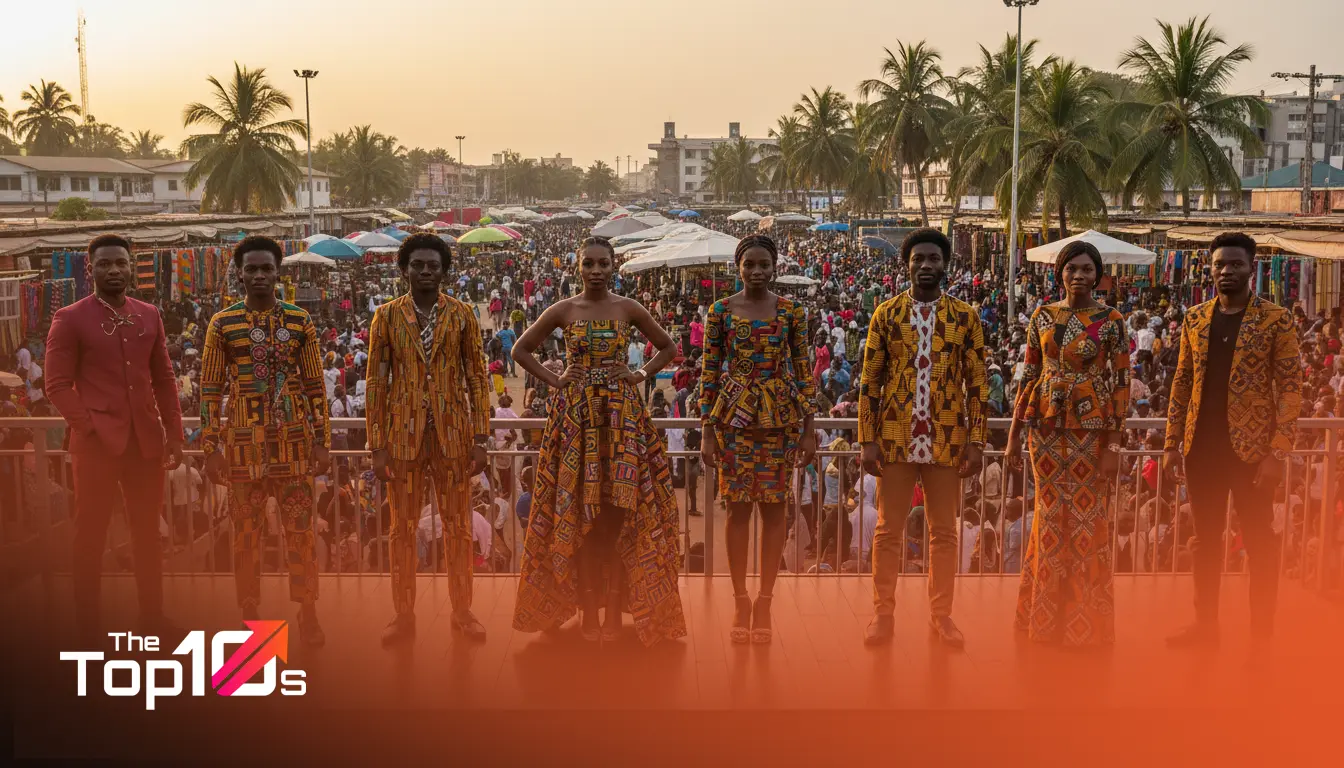
When you walk through the Grand Marché in Lomé, the first thing that hits you isn’t the heat; it’s the explosion of color. Togo isn’t just a small strip of land in West Africa; it is a heavyweight contender in the global fashion arena. For anyone looking to refresh their wardrobe or source apparel that speaks a distinct cultural language, understanding the design talent here is crucial. It’s not merely about buying a dress or a suit; it’s about investing in a narrative that blends ancestral weaving techniques with sharp, 2026-ready silhouettes.
You might be wondering why this matters now. The global gaze has shifted toward African luxury, and Togolese creators are right at the center of this movement. They are moving beyond simple wax prints into complex textile manipulation, sustainable sourcing, and avant-garde cuts. Whether you are a retailer looking for the next breakout label or an individual wanting a bespoke piece that no one else in your circle owns, knowing who is driving the needle in Togo is your starting point.
Quick Takeaways: navigating Togo’s Fashion Scene
- Diversity is Key: The scene ranges from high-end couture (Grace Wallace) to urban streetwear.
- Fabric First: Expect a heavy emphasis on Vlisco wax, Kente, and locally woven batiks.
- Custom vs. Ready-to-Wear: Most top-tier designers offer bespoke services, but ready-to-wear lines are expanding rapidly for international export.
- Patience Pays: craftsmanship here involves hand-finishing, so production timelines can differ from fast-fashion standards.
How We Identified Leading Fashion Designers
Selecting the top creatives in a vibrant market like Togo requires looking past just Instagram follower counts. Our approach focused on the tangible impact these designers have on the industry and their clients. We analyzed the longevity of their brands and their ability to stay relevant in a market that changes almost seasonally.
We looked for professionals who demonstrate a mastery of construction—how a garment sits on the body, the durability of the stitching, and the quality of the lining. Reputation played a massive role; we listened to what local fashion insiders, event organizers, and long-term clients in Lomé had to say about reliability and service. Furthermore, we considered their footprint beyond the borders of Togo. The names on this list are not just local heroes; many have showcased in Paris, Lagos, and Johannesburg, proving their aesthetic translates globally.
List of 10 Best Fashion Designers in Togo
| SNO | Name | Best For |
|---|---|---|
| 1 | Grace Wallace | Clients needing a show-stopping outfit for a gala, wedding, or major event where making an entrance is non-negotiable. |
| 2 | Nadiaka (Nadia Karimu-Yessoufou) | The professional woman who wants to integrate African aesthetics into her work wardrobe without compromising on polish. |
| 3 | Desmo Design | Mens seeking tailored precision, whether for a traditional wedding or a high-stakes business meeting. |
| 4 | Elima (Kossi Waï) | Those looking for editorial-style pieces that photograph beautifully and command attention. |
| 5 | Holarie | Fashion-forward individuals looking for brunch outfits, vacation wear, or chic weekend attire. |
| 6 | Jacques Logoh | Collectors of fashion art and those who appreciate garments with a strong backstory. |
| 7 | Credaniah | Shoppers who want a complete, curated look without having to source accessories separately. |
| 8 | Sedi Nadi | The eco-conscious consumer who values the supply chain as much as the final aesthetic. |
| 9 | Fadi Wax | People who love the boldness of African prints but want a silhouette that feels high-fashion rather than traditional. |
| 10 | Hounnougbo (Mable Agbodan) | Buyers who want their clothing budget to support broader community development initiatives in Togo. |
Top 10 Fashion Designers in Togo
Here are the creatives currently defining the sartorial identity of Togo, ranging from established legends to innovative disruptors.
1. Grace Wallace
If you talk about Togolese fashion without mentioning Grace Wallace, you’re missing the headline. She is often regarded as the matriarch of modern Togolese couture. Her work is characterized by an unapologetic use of color and intricate embroidery that transforms standard wax prints into red-carpet-worthy gowns.
Specialization: High-end Couture and Evening Wear
Best For: Clients needing a show-stopping outfit for a gala, wedding, or major event where making an entrance is non-negotiable.
2. Nadiaka (Nadia Karimu-Yessoufou)
Nadiaka brings a refreshing sense of minimalism to a landscape often dominated by maximalism. Her brand focuses on the modern woman who needs versatility. You see her clothes in boardrooms just as often as at cocktail parties. The genius lies in her cuts—clean, architectural, and flattering to various body types without relying on excessive embellishment.
Specialization: Corporate Chic and Smart Casual
Best For: The professional woman who wants to integrate African aesthetics into her work wardrobe without compromising on polish.
3. Desmo Design
Menswear in West Africa has evolved significantly, and Desmo is a major catalyst in this shift. Known for dressing dignitaries, politicians, and celebrities, this fashion house understands the power of a well-tailored suit. He blends traditional tunics with European tailoring standards, resulting in garments that feel regal yet contemporary.
Specialization: Luxury Menswear and Ceremonial Attire
Best For: Men seeking tailored precision, whether for a traditional wedding or a high-stakes business meeting.
4. Elima (Kossi Waï)
Elima is synonymous with glamour. Kossi Waï doesn’t just design clothes; he creates fantasies. With a background deeply rooted in the pageant and modeling world, his designs often emphasize the silhouette, using fabrics that drape and flow dramatically. He is a master of mixing textures, often pairing heavy woven fabrics with light chiffons or silks.
Specialization: Pageantry and Glamour
Best For: Those looking for editorial-style pieces that photograph beautifully and command attention.
5. Holarie
Holarie represents the new energy of Lomé. The brand is playful, youthful, and deeply feminine. What sets this label apart is the unexpected combination of prints. Where others might clash, Holarie creates harmony. The designs often feature ruffles, off-shoulder cuts, and fluid movement, making them perfect for the tropical climate.
Specialization: Contemporary Feminine Ready-to-Wear
Best For: Fashion-forward individuals looking for brunch outfits, vacation wear, or chic weekend attire.
6. Jacques Logoh
A veteran in the industry, Jacques Logoh is respected not just for his collections but for his role in mentoring the next generation. His style is eclectic, often drawing from traditional Togolese motifs and remixing them for a modern audience. His runway shows are legendary in Lomé for their storytelling and theatricality.
Specialization: Avant-Garde and Conceptual Fashion
Best For: Collectors of fashion art and those who appreciate garments with a strong backstory.
7. Credaniah
Credaniah bridges the gap between accessibility and luxury. The brand has gained traction for its consistency and ability to interpret global trends through a Togolese lens. Their use of accessories, particularly bags and shoes to match the apparel, offers a cohesive look that many clients appreciate.
Specialization: Total Look (Apparel and Accessories)
Best For: Shoppers who want a complete, curated look without having to source accessories separately.
8. Sedi Nadi
Sedi Nadi is for the purist. This designer often focuses on the integrity of the textile itself. There is a strong leaning towards utilizing locally woven fabrics, supporting the artisans who create the raw materials. The designs are often timeless, avoiding fleeting trends in favor of pieces that can be worn for decades.
Specialization: Sustainable Luxury and Heritage Fabrics
Best For: The eco-conscious consumer who values the supply chain as much as the final aesthetic.
9. Fadi Wax
Don’t let the name fool you; it’s not just about the wax print. Fadi takes the ubiquity of the “Pagne” and engineers it into structures that defy gravity. His ability to manipulate stiff cotton wax into fluid evening gowns is remarkable. He creates pieces that look heavy and structured but feel light to wear.
Specialization: Structural Wax Print Design
Best For: People who love the boldness of African prints but want a silhouette that feels high-fashion rather than traditional.
10. Hounnougbo (Mable Agbodan)
Mable Agbodan’s label is often associated with empowerment and innovation. She creates clothes that are practical yet stylish, often incorporating beadwork and hand-painted details. Her studio is also known for training young women, adding a layer of social impact to every garment purchased.
Specialization: Artisanal Detail and Socially Conscious Fashion
Best For: Buyers who want their clothing budget to support broader community development initiatives in Togo.
What Defines a Great Fashion Designer in Togo?
Identifying talent in this region involves understanding a unique set of variables. It isn’t the same as picking a designer in Milan or New York. Here, the relationship with the fabric is paramount. A great Togolese designer understands the “language” of the print—knowing that certain patterns have cultural meanings and cannot be cut or placed haphazardly on the body.
Adaptability is another marker of excellence. The climate in Togo is humid and hot. Top-tier designers select linings and fabrics that allow the skin to breathe while maintaining structure. You will notice that the best designers prioritize finishing techniques. In a market flooded with quick tailoring, the true artists are those whose garments look as good on the inside as they do on the outside.
Furthermore, client collaboration is central to the culture. Unlike the western “buy off the rack” model, Togolese fashion is deeply personal. The best designers are also excellent listeners, able to translate a client’s vague idea into a garment that fits their body shape and the specific social occasion they are attending.
How to Choose the Right Fashion Designer for Your Needs
Finding the perfect creative partner for your wardrobe requires a bit of strategy. It’s easy to get overwhelmed by the options, so having a framework helps.
Assess Your Timeline
This is the most critical factor. True craftsmanship takes time. If you need a wedding dress in two weeks, you might need a designer who specializes in ready-to-wear modifications rather than a couturier like Grace Wallace, who might have a months-long waiting list. Be honest about your deadline from the first conversation.
Review Their “Real” Portfolio
Editorial shoots are great, but ask to see photos of real clients. A model is size zero and 5’10”; you want to see how the designer handles curves, different heights, and real-world posture. This gives you a much better indication of their technical tailoring skills.
Understand the Sourcing Model
Some designers expect you to bring your own fabric (BYOF), while others insist on sourcing it themselves to ensure quality. There is a massive difference between authentic Dutch Vlisco and cheaper imitations. Ensure you and the designer are aligned on who is providing the raw materials to avoid pricing confusion later.
Frequently Asked Questions
How much does a custom outfit cost from top Togolese designers?
Pricing varies wildly depending on the complexity and the name on the label. A simple bespoke dress from a mid-tier designer might start around 50,000 CFA ($80 USD), while intricate gowns from top houses can easily range from 300,000 CFA to over 1,000,000 CFA ($500 – $1,600+ USD).
Do these designers ship internationally?
Yes, the landscape has changed. Most of the top 10 designers listed, including Holarie and Desmo, have logistics partners (like DHL) and regularly ship to Europe and North America. Always confirm shipping insurance before finalizing an order.
Can I communicate with designers in English?
While French is the official language of Togo, many top designers interact with international clientele and speak English. However, for complex custom orders, having reference photos or a translator can help ensure no details are lost in translation.
Is it better to buy ready-to-wear or custom-made?
If you are in Lomé for a short visit, ready-to-wear is safer. Custom-made requires fittings—usually at least two—to get the perfect fit. If you cannot be physically present for fittings, ready-to-wear is the lower-risk option.
Next Steps for Your Fashion Journey
Exploring the fashion landscape of Togo is an adventure in texture and creativity. Whether you are looking to source for a boutique or simply want to elevate your personal style, the talent here is undeniable. Don’t just admire the pictures; reach out to these studios.
Start by following their current collections to see whose aesthetic aligns with your vision. If you are planning a visit to Lomé, book appointments in advance, as the best studios are often busy. Fashion here is more than just clothing; it is a warm, collaborative art form. Engaging with these designers supports a thriving ecosystem of artisans, tailors, and weavers who are keeping West African heritage alive while pushing it boldly into the future.