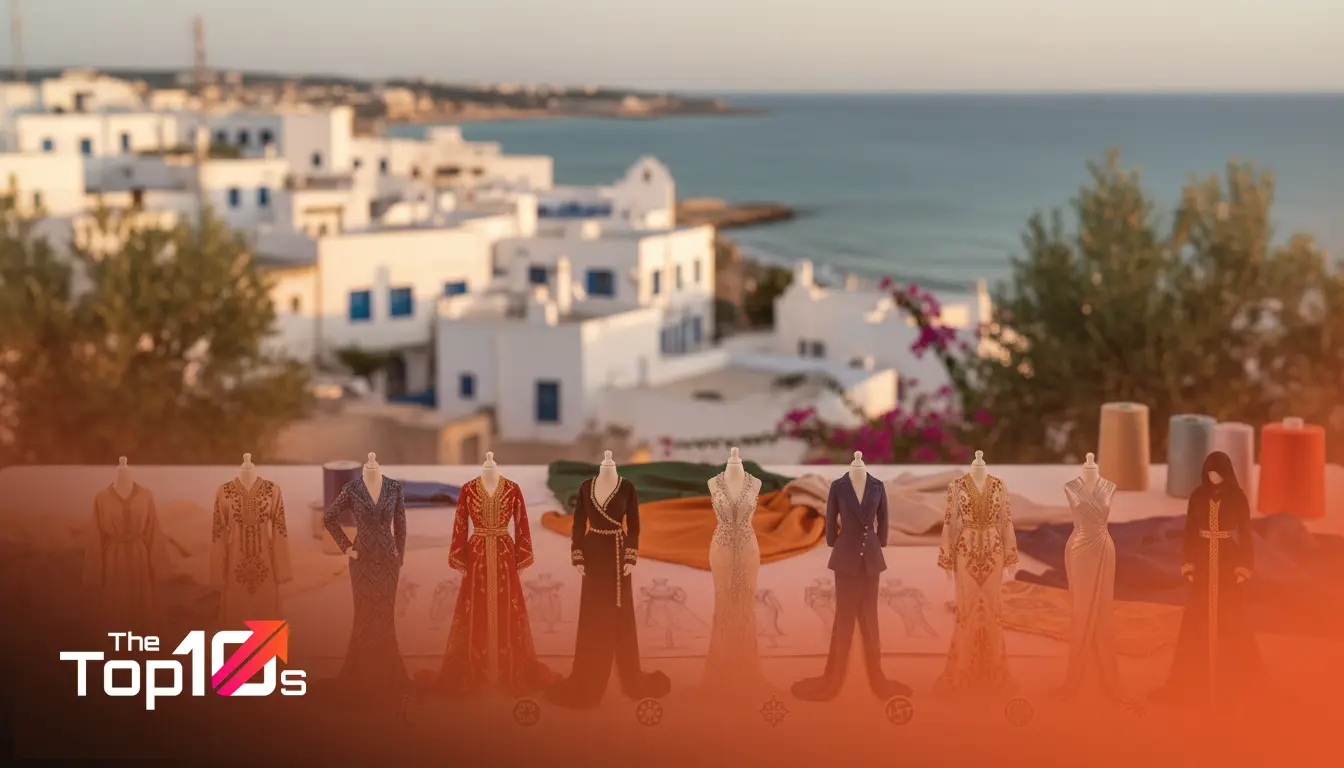
Walking through the streets of Carthage or the bustling avenues of Berges du Lac, you quickly realize that style in this city isn’t just about following trends—it’s a cultural language. Tunis sits at a fascinating crossroads where North African heritage meets Mediterranean ease and European precision. For anyone looking to invest in high-quality apparel, finding the right creative partner here is about more than just picking a name off a list; it’s about understanding who can translate your vision into fabric and form.
The talent pool here is surprisingly deep. You have names that grace the red carpets of Cannes alongside quiet artisans reinventing the traditional safsari for the modern boardroom. Whether you are a brand owner looking for a creative director, a bride seeking a bespoke masterpiece, or a fashion enthusiast wanting to understand the local aesthetic, knowing who leads the pack matters. The right designer understands not just the sketch, but the structural integrity of the garment, the flow of the silk, and the story behind the stitching.
Quick Takeaways: The Tunis Fashion Scene
- Couture Dominance: The market leans heavily toward bespoke, high-end evening wear and bridal fashion due to strong local wedding traditions.
- Heritage Fusion: Top designers often integrate traditional artisanal techniques (like gold thread embroidery) into contemporary silhouettes.
- Accessibility: Unlike Paris or Milan, many top-tier Tunis designers are accessible for personal consultations and custom commissions.
- Global Reach: Several designers listed here regularly dress international celebrities and showcase in Paris and Dubai.
How We Identified Leading Fashion Designers
Selecting the most influential creatives in a vibrant city like Tunis requires looking past Instagram follower counts. Influence in fashion is measured by consistency, craftsmanship, and the ability to evolve. To compile this analysis, we looked at a specific set of criteria that separates a hobbyist from a true industry professional.
First, we examined technical longevity. We prioritized designers who have sustained their brands over multiple seasons, proving they understand the business side of fashion as well as the artistic side. We also looked at fabric authority—how well does the designer manipulate textiles? A sketch is just a drawing until a professional understands how chiffon drapes versus how velvet structures a shoulder.
Finally, we considered market presence and reputation. This involves looking at who represents Tunisia on international runways and who local high-net-worth clients trust with their most important events. We analyzed runway reviews, editorial features in regional publications, and general industry feedback to ensure this list reflects the current reality of the Tunisian fashion sphere.
List of 10 Best Fashion Designers in Tunis
| SNO | Name | Best For |
|---|---|---|
| 1 | Ali Karoui | Clients needing a show-stopping dress for a gala, red carpet, or high-profile wedding where blending in is not an option. |
| 2 | Anissa Aida | The modern professional or art lover who wants sophisticated, comfortable clothing that tells a subtle cultural story. |
| 3 | Salah Barka | Bold personalities, editorial stylists, and those looking for statement pieces that defy categorization. |
| 4 | Fatma Ben Abdallah | Brides seeking a traditional Tunisian ceremony look that feels aristocratic and timeless rather than dated. |
| 5 | Mehdi Kallel | The bride who dreams of a grand entrance and a dress that commands the entire room. |
| 6 | Ahmed Talfit | Gala attendees and women who prefer sharp lines and structure over flowing, bohemian styles. |
| 7 | Esthére Maryline | Cocktail parties, engagement dinners, and events requiring elegance without the weight of heavy couture. |
| 8 | Seyf Dean Laouiti (Narciso Domingo Machiavelli) | Artists, musicians, and fashion-forward individuals who find traditional beauty standards too boring. |
| 9 | Hela Limam | Updating a seasonal wardrobe with pieces that are stylish but wearable for various social occasions. |
| 10 | Braim Sassi | Anyone looking for the perfect coat or a suit that fits impeccably. |
Top 10 Fashion Designers in Tunis
The following creatives represent the upper echelon of Tunisian design. They range from avant-garde artists to masters of traditional elegance.
1. Ali Karoui
Often referred to as the “new Azzedine Alaïa,” Ali Karoui has arguably the highest international profile of any current designer based in Tunisia. His aesthetic is unapologetically glamorous, focusing on high-octane sexuality and red-carpet drama. If you have seen a breathtaking, crystal-encrusted gown at the Cannes Film Festival recently, there is a good chance Karoui was the architect behind it.
Specialization: Luxury Haute Couture & Evening Wear
Notable Strengths: Intricate beadwork, corsetry, and silhouette construction that emphasizes the hourglass figure.
Best For: Clients needing a show-stopping dress for a gala, red carpet, or high-profile wedding where blending in is not an option.
2. Anissa Aida
Anissa Aida represents the intellectual side of Tunisian fashion. Her work is a study in geometry and cultural appreciation without falling into folklore. She masterfully blends the silhouettes of the Tunisian East with the structured minimalism of Japan. Her collections often feature crisp linens, architectural shapes, and a color palette that reflects the earthy tones of the Maghreb.
Specialization: Contemporary Ready-to-Wear & Slow Fashion
Notable Strengths: Minimalist cuts, cultural fusion (Sartorial nuances from Tunisia and Japan), and wearable art.
Best For: The modern professional or art lover who wants sophisticated, comfortable clothing that tells a subtle cultural story.
3. Salah Barka
Salah Barka is a veteran who refuses to play by traditional rules. He is a pioneer in ethical fashion and inclusive casting in Tunisia. His work often challenges gender norms and utilizes upcycling techniques long before sustainability became a marketing buzzword. Barka’s pieces are theatrical yet rooted in Tunisian history, often incorporating ethnic jewelry and Berber motifs into modern streetwear and avant-garde costumes.
Specialization: Avant-Garde, Ethical Fashion & Costume Design
Notable Strengths: Upcycling, theatrical styling, and mixing disparate textures to create a cohesive narrative.
Best For: Bold personalities, editorial stylists, and those looking for statement pieces that defy categorization.
4. Fatma Ben Abdallah
You cannot discuss Tunisian fashion without acknowledging the mastery of Fatma Ben Abdallah. She operates at the intersection of history and luxury. Her brand, FBA Couture, is dedicated to preserving the intricate embroidery techniques of the region. She treats the traditional Jebba and intricate gold-thread embroidery not as costumes, but as high-fashion elements worthy of royalty.
Specialization: Heritage Couture & Traditional Bridal
Notable Strengths: Deep knowledge of artisanal embroidery (Chebka), luxury silks, and cultural preservation.
Best For: Brides seeking a traditional Tunisian ceremony look that feels aristocratic and timeless rather than dated.
5. Mehdi Kallel
Mehdi Kallel has carved out a massive niche in the luxury bridal market. His aesthetic is romantic, fairy-tale-esque, and incredibly detailed. While some designers lean toward minimalism, Kallel embraces the “more is more” philosophy with taste. His gowns often feature extensive volume, long trains, and delicate lace applications that require hundreds of hours of hand labor.
Specialization: Luxury Bridal & Evening Gowns
Notable Strengths: Voluminous silhouettes, lace application, and creating a “princess” aesthetic.
Best For: The bride who dreams of a grand entrance and a dress that commands the entire room.
6. Ahmed Talfit
Ahmed Talfit brings a sharp, architectural edge to the Tunis fashion scene. His work is instantly recognizable by its structure. He doesn’t just drape fabric; he engineers it. Known for sharp shoulders, geometric cutouts, and a femme fatale vibe, Talfit appeals to a woman who wants to look powerful. His finishing is impeccable, rivaling European luxury houses.
Specialization: Structured Couture & Tailoring
Notable Strengths: Precision cutting, geometric designs, and modern tailoring.
Best For: Gala attendees and women who prefer sharp lines and structure over flowing, bohemian styles.
7. Esthére Maryline
Founded by the duo of designers who prioritize femininity and fluidity, Esthére Maryline has become a staple for the chic Tunisian woman. Their work often feels lighter and more ethereal than their counterparts. They excel at using soft fabrics like tulle, organza, and crepe to create movements that feel effortless. The brand strikes a balance between dreamy romanticism and wearable luxury.
Specialization: Ready-to-Wear Deluxe & Evening Wear
Notable Strengths: Soft draping, pastel color palettes, and feminine detailing.
Best For: Cocktail parties, engagement dinners, and events requiring elegance without the weight of heavy couture.
8. Seyf Dean Laouiti (Narciso Domingo Machiavelli)
Operating under the label Narciso Domingo Machiavelli, Seyf Dean Laouiti brings a dark, rebellious energy to the list. His designs are often moody, deconstructed, and steeped in a narrative of dark romance. He is not afraid to distress fabrics, use unconventional materials, or play with androgyny. It is fashion for the brave and the brooding.
Specialization: Dark Avant-Garde & Street Couture
Notable Strengths: Deconstruction, leather work, and creating an edgy, distinct brand persona.
Best For: Artists, musicians, and fashion-forward individuals who find traditional beauty standards too boring.
9. Hela Limam
Hela Limam offers a refreshing take on the modern Tunisian wardrobe. Her approach is pragmatic yet stylish, focusing on how women actually live today. While she produces stunning evening wear, her strength lies in creating pieces that can transition or be styled in multiple ways. She has a keen eye for prints and often develops collections that feel fresh and youthful.
Specialization: Contemporary Fashion & Smart Casual
Notable Strengths: Print selection, versatility, and understanding the modern working woman’s needs.
Best For: Updating a seasonal wardrobe with pieces that are stylish but wearable for various social occasions.
10. Braim Sassi
While many designers on this list focus heavily on womenswear, Braim Sassi brings a necessary focus on tailoring that often crosses gender lines or focuses on sharp menswear aesthetics adapted for all. His coats and jackets are particularly noteworthy. He understands the weight of wool and the cut of a lapel, bringing a sartorial precision that is sometimes missing in the sea of tulle and sequins.
Specialization: Tailoring & Outerwear
Notable Strengths: Outerwear construction, masculine silhouettes, and clean minimalism.
Best For: Anyone looking for the perfect coat or a suit that fits impeccably.
What Defines a Great Fashion Designer in Tunis?
Identifying talent in this region involves looking for a specific blend of skills. A great designer here doesn’t just sketch; they manage a complex ecosystem of production. The best creatives have strong relationships with skilled artisans—the embroiderers, the lace makers, and the textile suppliers. This ecosystem is vital because access to high-quality raw materials can be a challenge.
Furthermore, the top tier understands the balance between global trends and local modesty. Even in modern Tunis, there is a nuance to how much skin is shown depending on the occasion. A skilled designer navigates this effortlessly, offering cuts that are alluring yet respectful of social context. They also know where to source. For those looking to scale or produce their own lines, connecting with the right clothing manufacturers in Tunisia is often the first step a designer takes to transition from a small atelier to a recognized brand.
Ultimately, greatness here is defined by “The Finish.” In a market flooded with fast fashion, the top designers distinguish themselves through the inside of the garment—lined seams, hand-stitched hems, and invisible zippers that actually stay invisible.
How to Choose the Right Fashion Designer for Your Needs
Selecting a designer is a personal process. To avoid disappointment, you need to align your expectations with their specialty. Here is a framework to help you decide.
Assess the Occasion vs. The Style
Don’t hire an avant-garde deconstructionist like Seyf Dean Laouiti if you want a traditional “Hammam” linen set. Look at their past three collections. Do you see the vibe you are aiming for? If you have to explain your vision from scratch, they might be the wrong fit. You want a designer who takes your idea and elevates it, not one you have to micromanage.
Budget Transparency is Key
Tunisian couture varies wildly in price. Established names like Ali Karoui command international luxury prices, while emerging talents might offer incredible bespoke work for a fraction of the cost. Ask for a base price during your first consultation. Be clear about whether the fabric cost is included or separate, as high-end imported lace can double the price of a dress.
Understand the Timeline
“Tunisian Time” can sometimes be a reality, but top professionals stick to schedules. However, quality takes time. For a complex bridal gown, you should be approaching a designer 6 months in advance. For a custom suit or evening dress, allow at least 4 to 6 weeks. If a designer promises a complex couture piece in three days, be skeptical of the quality.
Frequently Asked Questions
Is it cheaper to get custom clothes made in Tunis than in Europe?
Generally, yes. While top-tier designers in Tunis charge premium rates, the cost for bespoke labor is significantly lower than in Paris or Milan for comparable quality. You get haute couture techniques for the price of European high-end ready-to-wear.
Do these designers sell online or strictly in ateliers?
It is a mix. Designers like Anissa Aida and Hela Limam have robust online stores and stockists. However, for couture designers like Mehdi Kallel or Fatma Ben Abdallah, the business model is primarily in-person consultation and fittings at their showroom or atelier.
Can I find sustainable fashion designers in Tunis?
Absolutely. The movement is growing rapidly. Salah Barka has been a leader in this for years, and newer brands are increasingly using deadstock fabrics and local, natural fibers to reduce their environmental footprint.
What is the difference between “Haute Couture” and “Made-to-Measure” in Tunis?
Haute Couture involves creating a unique design from scratch, often with exclusive fabrics and multiple fittings. Made-to-measure usually means taking an existing design from the designer’s collection and tailoring it perfectly to your measurements, perhaps with minor color or fabric tweaks.
Next Steps for Your Fashion Journey
The fashion landscape in Tunis is vibrant, diverse, and incredibly welcoming. Whether you are looking for a partner to launch a clothing line or simply want a dress that no one else possesses, the talent is here. Your next move should be to browse the Instagram portfolios of the names listed above—visuals speak louder than words in this industry.
Don’t be afraid to send a direct message or book a consultation. In Tunis, the personal connection is everything. Go touch the fabrics, see the sketches, and chat with the creator. That human element is what turns a piece of clothing into a cherished possession.