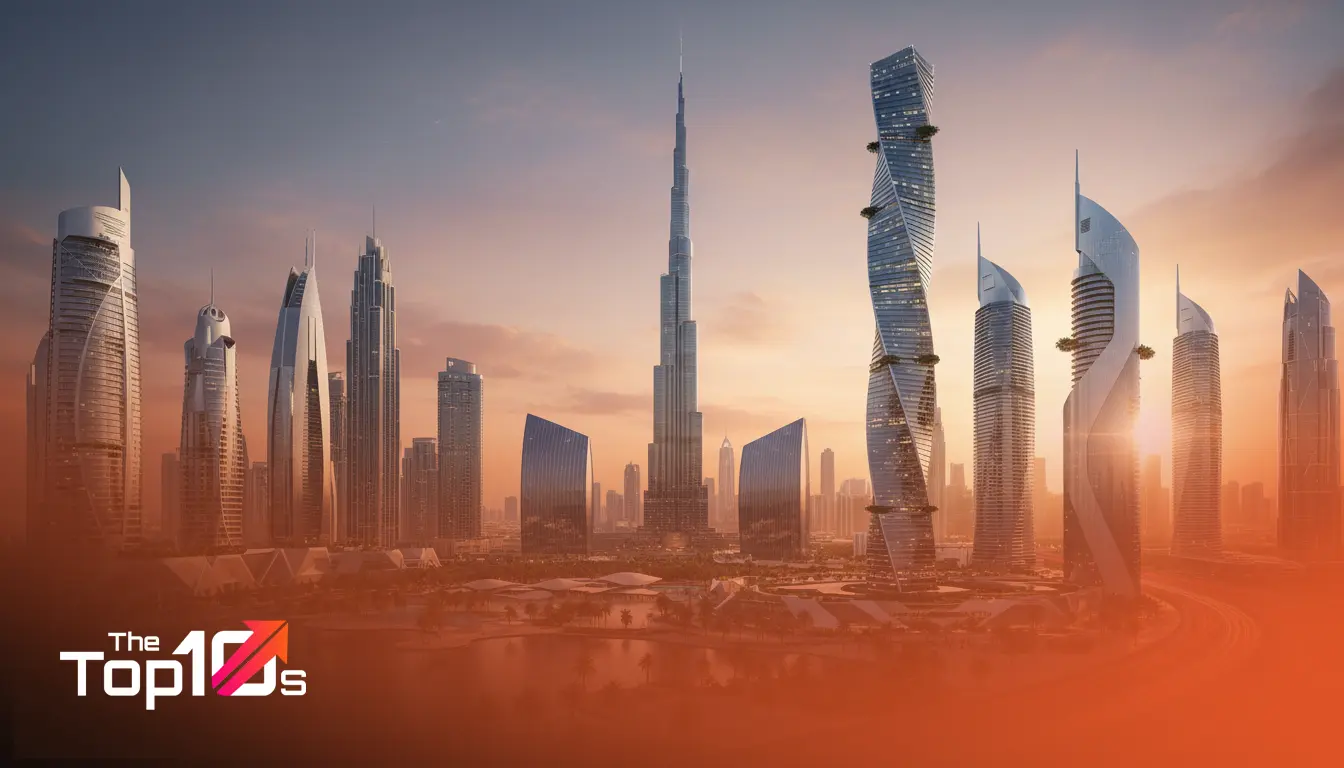
Building in Dubai is unlike building anywhere else on Earth. You aren’t just battling gravity; you’re designing against extreme heat, adhering to rigorous municipal codes, and often trying to meet an aesthetic standard that leans toward the spectacular. Whether you are planning a custom luxury villa on the Palm or a commercial tower in Business Bay, the person holding the pen matters just as much as the construction crew pouring the concrete.
Finding the right partner for your project can feel overwhelming. The sheer volume of talent in the Emirate is staggering. We aren’t talking about generic draftsmen here; Dubai attracts some of the sharpest design minds globally. But a great portfolio doesn’t always equal the right fit for your specific vision. You need someone who understands the local nuances, from Dubai Municipality approvals to sourcing materials that can withstand the desert climate without aging prematurely.
This guide cuts through the noise. We are looking at the professionals who shape the skyline and the residential neighborhoods, breaking down their styles, strengths, and who they are best suited to help.
Quick Takeaways: Scouting Talent in Dubai
- Regulatory Knowledge is King: Design is useless if it doesn’t pass DDA or Dubai Municipality approvals. Ensure your architect has a local track record.
- Specialization Matters: The architect who designed a hotel in Marina might not be the best fit for a sustainable family home in Al Barari.
- Chemistry Counts: Projects here can take 18-24 months. You need a partner you can communicate with easily.
- Budget vs. Fees: Don’t just look at the design fee. A skilled architect saves you money on construction costs and energy bills long-term.
How We Identified Leading Architects
Selecting the names for this list wasn’t about looking at who has the flashiest Instagram account. We analyzed the market based on substance and reliability. Our methodology focused on verifiable indicators of professional standing within the UAE’s construction sector.
We looked at the depth of local experience. An architect might be world-famous, but if they haven’t navigated the UAE’s specific zoning laws and environmental constraints, their value drops. We also considered peer recognition—who do other engineers and contractors respect? Finally, we reviewed the diversity of their completed work. It is easy to make a rendering look good; it is much harder to get a complex structure built on time and to a high standard of finish.
List of 10 Best Architects in Dubai
| Name | Best For |
|---|---|
| Shaun Killa (Killa Design) | Developers or high-net-worth individuals looking to create a landmark statement piece rather than a standard structure. |
| Brian Johnson (Godwin Austen Johnson) | Clients who want timeless design that respects the local culture while delivering modern luxury. |
| Ahmed Al-Ali & Farid Esmaeil (X Architects) | Homeowners or institutions looking for “critical regionalism”—architecture that feels native to Dubai but looks contemporary. |
| Ragnar Falk (Wanders Werner Falasi) | Private clients building their “forever home” who want uncompromising luxury and substantial square footage. |
| Rochdi Chraibi (Dewan Architects + Engineers) | Commercial developers needing a reliable partner for large-scale investment projects. |
| Emad Jaber (Lacasa) | Investors who need a balance between striking design and financial viability. |
| Ignacio Gomez (Aedas) | Large-scale urban regeneration projects or commercial headquarters. |
| Pedram Rad (U+A) | Developers focused on mid-to-high-end residential communities where consistency and modern appeal are critical. |
| Shams Shamsudin (Naga Architects) | Private owners who have a very specific vision and need a technical partner to execute it. |
| Alistair McMillan (BSBG) | Projects where technical failure is not an option and timelines are critical. |
Top 10 Architects In Dubai
These professionals and their firms represent a mix of large-scale visionaries and boutique designers known for bespoke detail. They have consistently delivered projects that function as well as they look.
1. Shaun Killa (Killa Design)
If you have seen the Museum of the Future, you have seen Shaun Killa’s work. He represents the pinnacle of avant-garde design in the region. Before establishing his own practice, he was instrumental in designing the Burj Al Arab. His approach is distinctively sculptural and focuses heavily on sustainability.
Area of Specialization: Iconic landmarks, ultra-luxury hospitality, and cultural centers.
Experience: Over 25 years in the region.
Notable Strengths: Killa is known for challenging engineering limits. His designs often involve complex steel structures and zero-energy concepts. He pushes for LEED Platinum ratings, making his firm a leader in green building.
Best Suited For: Developers or high-net-worth individuals looking to create a landmark statement piece rather than a standard structure.
2. Brian Johnson (Godwin Austen Johnson)
Often referred to as one of the “godfathers” of modern architecture in the UAE, Brian Johnson has been shaping the region since the late 1970s. His firm, GAJ, is responsible for some of the most beloved heritage and hospitality buildings, including the Dubai Creek Golf & Yacht Club.
Area of Specialization: Hospitality, education, and heritage-blended commercial projects.
Experience: 40+ years in the Middle East.
Notable Strengths: Johnson excels at blending modern functionality with traditional Islamic architectural elements. His work rarely feels cold or overly futuristic; it retains a sense of place and history.
Best Suited For: Clients who want timeless design that respects the local culture while delivering modern luxury.
3. Ahmed Al-Ali & Farid Esmaeil (X Architects)
For those seeking a thoughtful, intellectual approach to design, X Architects stands out. Founded by Ahmed Al-Ali and Farid Esmaeil, this firm focuses on adapting modernism to the Arab world. They avoid the “glass box” cliché, opting instead for designs that respond to the desert environment.
Area of Specialization: Cultural projects, private residential, and urban planning.
Experience: Established in 2003.
Notable Strengths: They are masters of context. Their designs often utilize light and shadow in ways that mimic traditional architecture but with contemporary materials. Their research-based approach ensures every design decision has a reason.
Best Suited For: Homeowners or institutions looking for “critical regionalism”—architecture that feels native to Dubai but looks contemporary.
4. Ragnar Falk (Wanders Werner Falasi)
When you drive through Emirates Hills or the distinct fronds of the Palm Jumeirah, you are likely looking at work by Wanders Werner Falasi. This firm has carved out a massive niche in the high-end residential market. They understand the “Dubai Villa” lifestyle better than almost anyone.
Area of Specialization: Large-scale custom luxury villas and residential compounds.
Experience: 15+ years in the UAE market.
Notable Strengths: They are exceptionally good at spatial planning for large families and luxury living. Their structural engineering capabilities allow for massive open spans and floor-to-ceiling glass without visible columns.
Best Suited For: Private clients building their “forever home” who want uncompromising luxury and substantial square footage.
5. Rochdi Chraibi (Dewan Architects + Engineers)
Dewan is a powerhouse in the region, and architects like Rochdi Chraibi drive their design ethos. This is a multidisciplinary firm that handles everything from master planning to interior design. They operate on a scale that few others can match, handling massive mixed-use developments.
Area of Specialization: Commercial towers, retail malls, and master communities.
Experience: The firm has been operating since 1984.
Notable Strengths: Technical precision and project management. When you hire a firm of this size, you get a machine that knows how to navigate bureaucracy and deliver massive projects on tight schedules.
Best Suited For: Commercial developers needing a reliable partner for large-scale investment projects.
6. Emad Jaber (Lacasa)
Lacasa is known for being incredibly pragmatic without sacrificing aesthetics. Emad Jaber has built a reputation for “constructability.” While some architects design things that are impossible to build within budget, Lacasa designs with the finished product in mind.
Area of Specialization: Residential towers, commercial, and industrial projects.
Experience: 17+ years serving the MENA region.
Notable Strengths: Value engineering. They are experts at getting the maximum visual impact for the budget. Their knowledge of structural efficiency often saves developers millions in material costs.
Best Suited For: Investors who need a balance between striking design and financial viability.
7. Ignacio Gomez (Aedas)
As the Global Design Principal for Aedas, Gomez brings an international flair to the Middle East. Aedas is one of the world’s largest practices, and their Dubai office produces work that is consistently geometric, bold, and urban.
Area of Specialization: Metro stations, high-density mixed-use, and futuristic commercial hubs.
Experience: 20+ years in international design.
Notable Strengths: Urban connectivity. Gomez’s designs often consider how a building connects to the city—the metro, the street, and the pedestrian flow. It is architecture that creates a neighborhood.
Best Suited For: Large-scale urban regeneration projects or commercial headquarters.
8. Pedram Rad (U+A)
U+A has risen quickly to become a favorite among top-tier developers like Emaar and Dubai Properties. Pedram Rad leads a team that specializes in modern, sleek, and highly marketable designs. Their work defines the “new” Dubai aesthetic seen in areas like Dubai Hills.
Area of Specialization: Contemporary residential communities, hospitality, and interior design.
Experience: Founded in 2006.
Notable Strengths: They bridge the gap between architecture and interior design seamlessly. The exterior of a U+A building always harmonizes perfectly with the interior layout.
Best Suited For: Developers focused on mid-to-high-end residential communities where consistency and modern appeal are critical.
9. Shams Shamsudin (Naga Architects)
Naga Architects operates quietly but effectively. Under the guidance of Shams Shamsudin, they have built a portfolio of incredible private mansions and community centers. They are less about corporate branding and more about client satisfaction.
Area of Specialization: Bespoke private residences, mosques, and community facilities.
Experience: Established in 2000.
Notable Strengths: Versatility. Whether you want a Neoclassical palace or a minimalist Zen retreat, Naga adapts to the client’s language rather than imposing a house style.
Best Suited For: Private owners who have a very specific vision and need a technical partner to execute it.
10. Alistair McMillan (BSBG)
BSBG (Brewer Smith Brewer Group) is the “architect’s architect.” They are frequently brought in as the executive architect to deliver complex designs created by other concept firms because their technical delivery is flawless. Alistair McMillan leads a team that prioritizes quality assurance above all else.
Area of Specialization: Executive architecture, high-rise residential, and complex commercial refits.
Experience: 40+ years international presence.
Notable Strengths: BIM (Building Information Modeling) and technical documentation. Their blueprints are watertight, leading to fewer on-site clashes and delays.
Best Suited For: Projects where technical failure is not an option and timelines are critical.
What Defines a Great Architect in Dubai?
Architecture in this region is about more than just aesthetics. The best professionals understand that a building in Dubai is a living machine that must survive a harsh environment. Great architecture here addresses the intense solar gain. It isn’t enough to just install powerful air conditioning; the building envelope itself should reduce heat absorption through orientation, shading devices, and high-performance glazing.
Furthermore, an excellent Dubai architect understands the “soft” side of construction: the approvals. Navigating the Dubai Creative Clusters Authority (DCCA), Trakhees, or Dubai Municipality requires patience and specific knowledge. A great architect anticipates regulatory hurdles before they happen, saving you months of delays.
It is also fascinating to see how design trends vary across the wider MENA region. For example, if you are looking at regional trends, exploring the top 10 architects in Tunisia offers an interesting contrast between North African heritage preservation and Dubai’s futuristic ambition.
How to Choose the Right Architect for Your Needs
Selecting a partner is a business decision. Here is a practical framework to help you decide.
1. Check the “Built” Portfolio
Renderings are easy to fake. Ask to see photos of completed projects that are at least five years old. How is the façade holding up against the sand and sun? This tells you if the architect understands material durability.
2. Assess Their Communication Style
You will be working with this person for a long time. During the initial consultation, do they listen more than they talk? Do they ask about your lifestyle, your budget constraints, and your long-term goals? Avoid architects who immediately try to impose their signature style on you.
3. Understand the Fee Structure
Architectural fees in Dubai can be a percentage of construction costs (usually 4% to 10%) or a lump sum. Be clear about what this covers. Does it include site supervision? Does it include 3D rendering? Does it cover the cost of government NOCs (No Objection Certificates)? Hidden costs can derail a project quickly.
4. Verify Local Registration
Ensure your architect is fully licensed with the UAE Society of Engineers and Dubai Municipality. Without this, they cannot legally sign off on your drawings, meaning you will have to hire a second “architect of record,” which doubles your administrative work.
Frequently Asked Questions
How much do architects charge in Dubai?
Fees vary wildly based on scope and reputation. For full design and supervision services, expect to pay between 5% and 12% of the total construction cost. For a standard luxury villa, lump sum design fees might range from AED 150,000 to AED 500,000 depending on complexity.
Do I need an architect for a renovation in Dubai?
If you are moving walls, changing the façade, or altering structural elements, yes. You need a licensed consultant to obtain the necessary modification permits from the developer (like Emaar or Nakheel) and the Municipality.
How long does the design process take?
For a custom villa, the design phase—from concept to final building permit—typically takes 4 to 6 months. This includes the time required for government authorities to review and approve the plans.
Can international architects work on my Dubai project?
Yes, but they usually cannot sign off on the permits. International “starchitects” generally partner with a local “Architect of Record” or executive architect (like BSBG or Lacasa) who handles the local code compliance and legal submissions.
What is the biggest mistake clients make when hiring an architect?
The most common error is hiring based on the lowest fee. A cheap design often lacks detail, leading to “variations” (extra costs) during construction that far exceed the money saved on the design fee. Good drawings prevent expensive confusion on the building site.
Next Steps for Your Project
Your project deserves a foundation of expertise. Don’t rush the selection process. Start by shortlisting three firms from the list above that align with your specific project type—residential, commercial, or hospitality. Schedule face-to-face consultations with each. Ask them specifically about their current workload; you want a team that has the bandwidth to prioritize you.
Review their contracts carefully, paying attention to the number of design revisions allowed. Once you find that balance of creative vision and technical reliability, you will be ready to break ground. Good design is an investment that pays dividends every time you walk through the door.