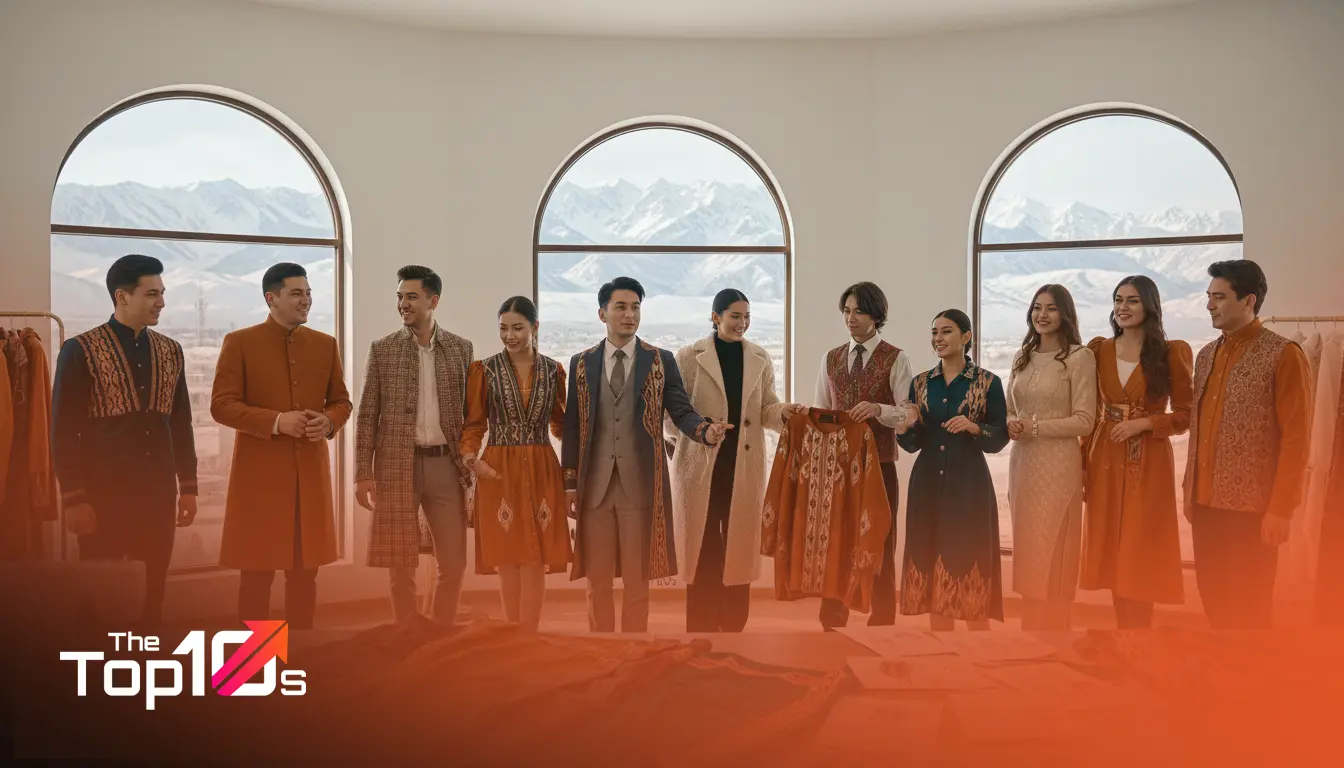
When you think of global fashion hubs, cities like Paris or Milan usually dominate the conversation. But if you shift your gaze to Central Asia, specifically Kyrgyzstan, you’ll discover a vibrant, undiscovered world of textile artistry that is quietly commanding attention. The fashion scene here isn’t just about making clothes; it’s about storytelling through felt, silk, and ancient nomadic patterns reimagined for the modern wardrobe.
Finding the best fashion designers in Kyrgyzstan can feel like unearthing a hidden gem. The aesthetic here is distinct—a fusion of rugged, functional nomadism and delicate, intricate embroidery. Whether you are a buyer looking for unique inventory, a fashion enthusiast seeking sustainable pieces, or someone wanting to understand the region’s visual language, knowing who leads this industry is essential.
We aren’t just talking about generic manufacturing. These creators are artists who work with raw wool, hand-dyed silks, and leather to produce garments that carry history in their seams. Below, we explore the top fashion designers in Kyrgyzstan, examining how they balance heritage with contemporary demands to create something truly wearable and unique.
Quick Takeaways: The Kyrgyz Fashion Identity
- Heritage is Key: Almost every top designer incorporates traditional “oymo” (patterns) or felt techniques.
- Slow Fashion Focus: High emphasis on handmade, natural materials like felted wool and raw silk.
- Global Fusion: The trend is moving toward mixing ethnic motifs with European cuts and silhouettes.
- Versatility: Designs range from heavy outerwear (chapans) to delicate evening gowns.
How We Identified Leading Fashion Designers
Selecting the leading figures in such a culturally rich environment requires more than just looking at Instagram follower counts. Our approach involved a broad analysis of the Central Asian creative sector. We looked for professionals who have consistently demonstrated excellence in craftsmanship and design innovation.
We prioritized designers who have a clear, established presence in Bishkek’s fashion weeks or international exhibitions. Furthermore, we considered the longevity of their brands and their reputation among local clientele. A major factor was the ability to modernize traditional Kyrgyz techniques—taking the heavy felt of a yurt and transforming it into a breathable, stylish coat requires a specific kind of genius. The names listed below represent those who have successfully bridged the gap between historical preservation and modern commercial appeal.
List of 10 Best Fashion Designers in Kyrgyzstan
| SNO | Name | Best for |
|---|---|---|
| 1 | Dilbar Ashimbaeva (DILBAR) | Clients seeking investment pieces, coats, or evening wear that acts as a status symbol. |
| 2 | Tatiana Vorotnikova | Women who appreciate artistic, bohemian aesthetics and natural, breathable materials. |
| 3 | Tolgonai Kerimalieva (BAIRA) | The modern professional wanting to wear heritage elements without looking like they are in a costume. |
| 4 | Galina Bochkareva | Collectors of wearable art and those living in colder climates who want stylish natural insulation. |
| 5 | Aida Robertova | Those who prefer “quiet luxury” and understated elegance. |
| 6 | Saltanat Mamytova | Women looking for versatile dresses that transition easily from day to night. |
| 7 | Aiperi Obozova | Galas, weddings, and high-profile formal events. |
| 8 | Arzuu Bekjanova | Fashion-forward youth and concept store buyers. |
| 9 | Cholpon Alamanova | Cultural institutions, museums, and individuals seeking 100% authentic traditional attire. |
| 10 | Zuhra Mukambetova | Anyone looking for a signature coat that serves as a conversation starter. |
Top 10 Fashion Designers in Kyrgyzstan
Here are the creatives currently shaping the visual identity of Kyrgyzstan, ranging from established couture houses to innovative modernists.
1. Dilbar Ashimbaeva (DILBAR)
Professional Background: Often referred to as the matriarch of Kyrgyz fashion, Dilbar Ashimbaeva founded her eponymous fashion house, DILBAR, over two decades ago. She is arguably the most recognized name internationally, having showcased collections across Europe and Asia.
Area of Specialization: Luxury pret-a-porter and haute couture. She is famous for her “neo-folk” style.
Notable Strengths: Her work is characterized by the incredible complexity of her textures. She layers fabrics—velvet, silk, and lace—to create garments that look like paintings. The finishing quality is comparable to top European houses.
Best Suited For: Clients seeking investment pieces, coats, or evening wear that acts as a status symbol.
2. Tatiana Vorotnikova
Professional Background: A master of felt, Vorotnikova has spent years proving that wool is a material of elegance, not just warmth. She is a veteran of the industry who views fashion as applied art.
Area of Specialization: Felt art, eco-fashion, and transformable clothing.
Notable Strengths: Vorotnikova’s ability to manipulate felt is unmatched. She creates seamless garments using the “nuno-felting” technique, where wool is bonded with silk or chiffon. Her designs often feature soft, organic lines that embrace the body rather than constrict it.
Best Suited For: Women who appreciate artistic, bohemian aesthetics and natural, breathable materials.
3. Tolgonai Kerimalieva (BAIRA)
Professional Background: representing the newer wave of design, Tolgonai Kerimalieva founded the brand BAIRA. She has quickly gained traction for making ethnic fashion accessible to a younger, more urban demographic.
Area of Specialization: Modern ready-to-wear with ethnic accents.
Notable Strengths: BAIRA stands out for its bold use of color and distinct prints. While many designers stick to earth tones, Kerimalieva isn’t afraid of bright reds, blues, and contrasts. She successfully adapts traditional cuts for office wear and casual outings.
Best Suited For: The modern professional wanting to wear heritage elements without looking like they are in a costume.
4. Galina Bochkareva
Professional Background: Galina Bochkareva is another heavyweight in the realm of felt fashion, but her approach is distinctively sculptural. Her studio focuses on the artistic possibilities of raw wool.
Area of Specialization: Avant-garde feltwear and accessories.
Notable Strengths: Her garments often feature intricate gradients of color, achieved through hand-dyeing wool fibers before the felting process begins. The durability of her coats and jackets is notable; they are designed to last for decades.
Best Suited For: Collectors of wearable art and those living in colder climates who want stylish natural insulation.
5. Aida Robertova
Professional Background: Aida Robertova brings a quieter, more minimalist philosophy to the table. After gaining recognition in local competitions, she established a reputation for sophisticated simplicity.
Area of Specialization: Minimalist ready-to-wear and elegant evening attire.
Notable Strengths: While others focus on heavy patterns, Robertova focuses on the silhouette. Her cuts are precise, architectural, and clean. She uses ethnic embroidery sparingly, treating it as a delicate accent rather than the main event.
Best Suited For: Those who prefer “quiet luxury” and understated elegance.
6. Saltanat Mamytova
Professional Background: Saltanat Mamytova has built a loyal following by prioritizing femininity and fluidity. Her brand is a staple in Bishkek for women seeking romantic, flowing designs.
Area of Specialization: Cocktail dresses, light outerwear, and casual chic.
Notable Strengths: She has a gift for working with light fabrics. Her designs often feature draping that flatters various body types. Mamytova is also known for being very responsive to global trends, integrating current colors while keeping a Kyrgyz soul.
Best Suited For: Women looking for versatile dresses that transition easily from day to night.
7. Aiperi Obozova
Professional Background: Aiperi Obozova is a name synonymous with glamour in the Kyrgyz fashion sphere. She is often the go-to designer for local celebrities and red-carpet events.
Area of Specialization: Evening gowns and bridal wear.
Notable Strengths: Her work involves heavy embellishment, sequins, and intricate beadwork mixed with traditional embroidery patterns. She knows how to create drama and volume, ensuring the wearer stands out.
Best Suited For: Galas, weddings, and high-profile formal events.
8. Arzuu Bekjanova
Professional Background: Arzuu Bekjanova targets a segment often overlooked by traditionalists: the youth. Her designs are edgy, often deconstructing traditional garments to fit a streetwear aesthetic.
Area of Specialization: Contemporary streetwear and experimental fashion.
Notable Strengths: She mixes denim with heritage fabrics, creating a clash of cultures that appeals to Gen Z and Millennials. Her approach is rebellious and fresh, challenging the idea that Kyrgyz fashion must always be conservative.
Best Suited For: Fashion-forward youth and concept store buyers.
9. Cholpon Alamanova
Professional Background: Deeply rooted in history, Cholpon Alamanova is as much a historian as a designer. Her work is often educational, reviving lost patterns and techniques from specific regions of Kyrgyzstan.
Area of Specialization: Authentic heritage reconstruction and traditional costume.
Notable Strengths: Authenticity is her currency. Every stitch and pattern in her work has a specific meaning and historical precedent. She refuses to simplify complex traditions for mass consumption.
Best Suited For: Cultural institutions, museums, and individuals seeking 100% authentic traditional attire.
10. Zuhra Mukambetova
Professional Background: With years of experience, Zuhra Mukambetova has mastered the art of the “Chapan” (the traditional quilted coat). Her brand focuses on updating this specific garment for the 21st century.
Area of Specialization: Modernized Chapans and outerwear.
Notable Strengths: She creates coats that look right at home in New York or London. By adjusting the bulk and cut of the traditional chapan, she turns a folk garment into a universal fashion staple. Her quilting techniques are precise and durable.
Best Suited For: Anyone looking for a signature coat that serves as a conversation starter.
What Defines a Great Fashion Designer in Kyrgyzstan?
Understanding the local fashion landscape requires realizing that design here is a dialogue between the past and the future. A great designer in this region doesn’t just copy Western trends; they reinterpret them through a Central Asian lens. This is similar to the movement seen in neighboring countries; for instance, if you look at the top 10 fashion designers in Turkmenistan, you see a similar respect for silk and embroidery, though the patterns and silhouettes differ significantly.
In Kyrgyzstan, excellence is defined by the mastery of materials. Since the culture is historically nomadic, the relationship with wool and felt is sacred. A top-tier designer knows how to process raw wool so that it doesn’t itch, holds its shape, and repels water naturally. Furthermore, color theory is crucial. The Kyrgyz palette is traditionally vibrant—full of deep reds, greens, and ochres. Great designers know how to balance these strong colors so they don’t overpower the wearer.
Finally, sustainability is inherent here. The best professionals practice “slow fashion” by default. They produce in small batches, minimize waste, and use biodegradable materials, aligning perfectly with modern global eco-standards.
How to Choose the Right Fashion Designer for Your Needs
If you are looking to commission a piece or buy a collection, navigating the market can be tricky. Here is how to ensure you find a match for your style.
Assess Your Fabric Tolerance
Be honest about what you like to wear. Many Kyrgyz designers work with heavy boiled wool and felt. While beautiful, these are warm, structured materials. If you prefer flowy, lightweight clothes, look for designers like Saltanat Mamytova or Dilbar who specialize in silk and cotton blends.
Distinguish Between Souvenir and Style
Some designers cater specifically to tourists, creating exaggerated costumes that might feel out of place in a regular office setting. If you want everyday wear, look for brands like BAIRA or Aida Robertova that integrate ethnic touches subtly, rather than making the whole outfit a costume.
Check Customization Capabilities
One of the biggest advantages of the Kyrgyz fashion market is the accessibility of bespoke services. Unlike in the West, where custom work is prohibitively expensive, many top designers in Bishkek are willing to adjust lengths, sleeves, or colors for a reasonable fee. Always ask if “made-to-measure” is an option.
Review the Production Timeline
Remember that “handmade” means time. A complex felt coat can take weeks to produce properly. If you are ordering for a specific event, clarify the lead time immediately. Do not expect Amazon-speed delivery from an artisan studio.
Frequently Asked Questions
Are Kyrgyz fashion designs expensive?
Compared to Western luxury brands, they are very affordable. However, considering the labor-intensive handwork (felting, embroidery), prices are higher than fast fashion. You are paying for longevity and art, not just a label.
Do these designers ship internationally?
Most established designers (like Dilbar or Seven) have experience shipping to Europe, the US, and Russia. However, you should always confirm shipping costs and customs duties beforehand, as logistics from Central Asia can vary.
Is felt clothing difficult to clean?
High-quality felt is naturally dirt-repellent and self-cleaning to a degree. It usually requires airing out rather than frequent washing. When cleaning is needed, dry cleaning is generally the safest recommendation for structured felt garments.
Can I wear these designs in a corporate setting?
Absolutely. Designers like Aida Robertova and BAIRA create blazers, skirts, and dresses specifically designed for the modern workplace, utilizing subtle ethnic patterns that add character without breaking dress codes.
What is the most famous Kyrgyz garment?
The “Chapan” (a quilted coat) and the “Beldemchi” (a skirt worn over dresses) are iconic. Modern designers have reimagined the Chapan as a stylish cardigan or light coat suitable for any season.
Conclusion
The fashion scene in Kyrgyzstan is a testament to the resilience of culture. The designers listed here are not merely sewing clothes; they are weaving the narrative of a nation that is proud of its nomadic roots yet eager to engage with the modern world. Whether you are drawn to the architectural structure of a felt coat by Vorotnikova or the delicate silk layers of Dilbar, there is a depth to these garments that is hard to find elsewhere.
Exploring these collections offers a refreshing break from the homogenized styles often found in global retail chains. By choosing to wear designs from Kyrgyzstan, you aren’t just buying a piece of clothing—you are supporting a lineage of craftsmanship that has survived for centuries. Take the time to explore their portfolios, ask questions about their process, and find the piece that speaks to your personal style.