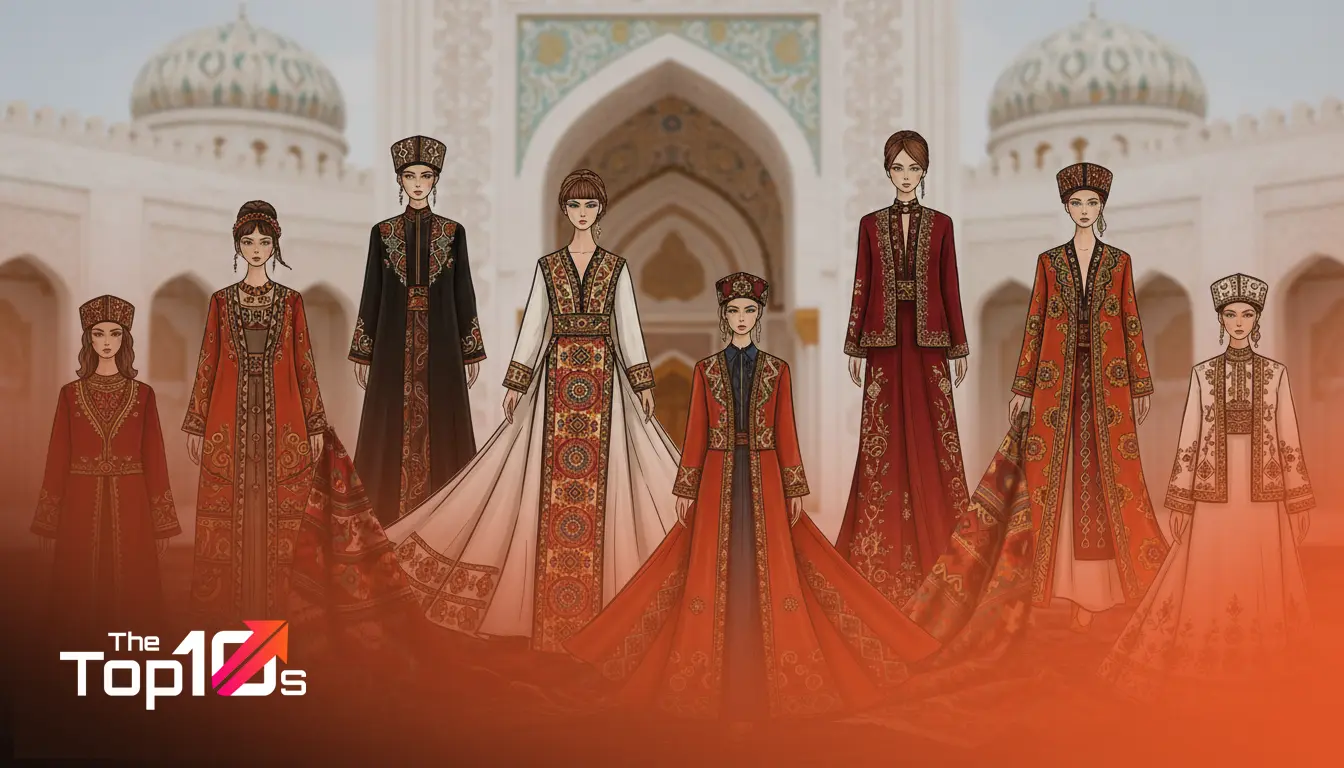
Turkmenistan isn’t just about marble architecture and vast deserts; it is quietly becoming a powerhouse of textile artistry. If you have ever touched authentic Keteni silk or admired the intricate hand-embroidery that defines Central Asian couture, you understand that fashion here runs deep in the cultural DNA. Finding the best fashion designers in Turkmenistan isn’t just about shopping; it’s about witnessing a fascinating dialogue between ancient Silk Road heritage and modern silhouettes.
You might be wondering who is actually driving this aesthetic shift. The industry here is unique. Unlike Paris or Milan, where individual egos often dominate, the Ashgabat fashion scene is a blend of prominent fashion houses and emerging independent creatives who treat fabric like a canvas. Whether you are a buyer seeking unique sourcing, a brand owner looking for inspiration, or simply a lover of global style, understanding these key players offers a fresh perspective.
Quick Takeaways: Turkmen Fashion Scene
- Tradition Meets Future: Top designers almost always incorporate “nagysh” (embroidery) patterns into modern cuts.
- Material Matters: Expect a heavy emphasis on velvet, homegrown cotton, and Keteni silk.
- Tailoring Culture: Bespoke (made-to-measure) is the standard here, not the exception.
- Family & Heritage: Many leading labels are family-run businesses passing down techniques for generations.
How We Identified Leading Fashion Designers
Selecting the top creatives in a market as nuanced as Turkmenistan requires more than a quick Google search. Our methodology focused on substantial contributions to the local and regional industry rather than just social media metrics. We analyzed participation in major events like Ashgabat Fashion Week and international cultural expos to see who is consistently delivering quality.
We looked for professionals who demonstrate mastery over complex textiles. Working with velvet and silk requires a high level of technical skill, so we prioritized designers known for construction quality. Reputation played a massive role too. We listened to what locals say about these studios—specifically regarding reliability, fit, and the ability to modernize traditional attire without losing its soul. The names on this list represent a mix of established authorities and exciting new voices.
List of 10 Best Fashion Designers in Turkmenistan
| SNO | Name | Best for |
|---|---|---|
| 1 | Maysa Ovezova (Mähirli Zenan) | Women who want a power suit or evening gown that screams heritage but whispers luxury. |
| 2 | Shasenem Garlyyeva (Jennet Collection) | Fashion-forward buyers looking for trendy, wearable pieces that fit a busy lifestyle. |
| 3 | Gulsat Gurdowa | Brides and gala attendees who need a show-stopping entrance. |
| 4 | Sheker Akniyazova | Seasonal collections and those who prioritize comfort alongside style. |
| 5 | Ogulmaral Sazakova | Collectors and clients seeking investment-grade cultural pieces. |
| 6 | The Creative Team at Asman | Performers, celebrities, and anyone needing a highly photogenic look. |
| 7 | Selbi Sultanova | Corporate executives and minimalists who value cut over ornamentation. |
| 8 | Ayna Izbasar | Eco-conscious consumers and boutique owners looking for sustainable narratives. |
| 9 | Vepaly Kerim | Menswear enthusiasts, particularly men seeking bespoke tailoring with a local touch. |
| 10 | Jeren Kurbanova | Clients who want a curated, hassle-free ensemble for major events. |
Top 10 Fashion Designers in Turkmenistan
The following professionals and creative directors represent the vanguard of Turkmen style. They range from avant-garde artists to custodians of traditional costume.
1. Maysa Ovezova (Mähirli Zenan)
Specialization: Contemporary National Wear & Luxury Velvet
Maysa Ovezova acts as the creative force behind Mähirli Zenan, one of the most recognized fashion houses in the country. Her work is a masterclass in elevating traditional Turkmen attire for the modern woman. She doesn’t just make dresses; she constructs identities.
Why they stand out: Ovezova has an incredible eye for color palettes, often moving away from standard reds into deep emeralds and royal blues. Her studio integrates ancient embroidery techniques with office-appropriate cuts, making national dress wearable for modern professionals.
Best for: Women who want a power suit or evening gown that screams heritage but whispers luxury.
2. Shasenem Garlyyeva (Jennet Collection)
Specialization: Youthful Fusion & Casual Chic
While many designers stick to heavy ceremonial wear, Shasenem Garlyyeva brings a breath of fresh air with the Jennet Collection. Her approach feels lighter and more adaptable for daily wear. She understands that the younger generation wants to honor their roots without feeling like they are wearing a museum piece.
Why they stand out: Garlyyeva often experiments with lighter fabrics and shorter hemlines, challenging strict traditional norms while maintaining modesty. Her use of stylized, simplified embroidery appeals to university students and young entrepreneurs.
Best for: Fashion-forward buyers looking for trendy, wearable pieces that fit a busy lifestyle.
3. Gulsat Gurdowa
Specialization: Haute Couture & Bridal
When you talk about high-stakes fashion in Ashgabat, Gulsat Gurdowa is a name that commands respect. With years of experience in creating elaborate bridal trousseaus, she is a specialist in “wow” moments. Her designs often feature heavy, encrusted beadwork that can take months to complete.
Why they stand out: The structure of her garments is impeccable. Gurdowa knows how to manipulate heavy brocades so they flatter the body rather than overwhelm it. She treats the traditional “kurte” (cape) as a piece of art.
Best for: Brides and gala attendees who need a show-stopping entrance.
4. Sheker Akniyazova
Specialization: Knitwear & Textile Innovation
Turkmenistan is a major cotton producer, and designers like Sheker Akniyazova are proving that knitwear can be high fashion. Moving away from the typical silk-dominance, she focuses on texture and comfort. Her work often highlights the versatility of local raw materials.
Why they stand out: Akniyazova brings a tactile quality to her collections. You will see intricate knitting patterns that mimic traditional jewelry shapes, creating a 3D effect on the fabric. It represents a smart, cozy evolution of national style.
Best for: Seasonal collections and those who prioritize comfort alongside style.
5. Ogulmaral Sazakova
Specialization: Hand-Embroidery Preservation
In an era of machine manufacturing, Ogulmaral Sazakova remains a staunch defender of the handmade. Her studio focuses intensely on “kesde”—the art of needlework. She views herself not just as a designer, but as an archivist keeping specific regional patterns alive through clothing.
Why they stand out: The density of embroidery in her work is staggering. Sazakova creates garments that are essentially heirlooms, meant to be passed down from mother to daughter. She refuses to cut corners on the manual labor involved.
Best for: Collectors and clients seeking investment-grade cultural pieces.
6. The Creative Team at Asman
Specialization: Red Carpet & Avant-Garde
Asman is less of a single person and more of a creative collective that sets the tone for luxury in the capital. They regularly participate in international showcases, pushing the boundaries of what Central Asian fashion looks like. Their lead designers focus on theatricality and scale.
Why they stand out: They aren’t afraid of volume. Asman collections often feature exaggerated shoulders, long trains, and dramatic silhouettes that rival European couture houses. They blend velvet with chiffon in unexpected ways.
Best for: Performers, celebrities, and anyone needing a highly photogenic look.
7. Selbi Sultanova
Specialization: Minimalist Traditionalism
Selbi Sultanova creates for the minimalist. In a culture that often loves maximalism, her restraint is refreshing. She strips back the noise, focusing on clean lines and a single focal point—perhaps a unique collar or a specific cuff detail.
Why they stand out: Her construction is razor-sharp. Because there is less decoration to hide behind, the fit has to be perfect. Sultanova demonstrates that Turkmen fashion can be sleek and understated.
Best for: Corporate executives and minimalists who value cut over ornamentation.
8. Ayna Izbasar
Specialization: Eco-Conscious & Upcycling
Ayna Izbasar is tapping into the global conversation about sustainability. She looks at how scrap fabrics from the vibrant textile industry can be repurposed. Her designs often have a patchwork aesthetic that feels bohemian yet distinctly Turkmen.
Why they stand out: Izbasar brings an ethical dimension to the list. She proves that being eco-friendly doesn’t mean sacrificing the colorful identity of the region. Her approach appeals strongly to international buyers concerned with supply chains.
Best for: Eco-conscious consumers and boutique owners looking for sustainable narratives.
9. Vepaly Kerim
Specialization: Menswear & Modern Tailoring
Men’s fashion in Turkmenistan is often overlooked, but Vepaly Kerim is changing that narrative. Moving beyond the standard suit or traditional robe, he creates tailored separates that fit the modern man. He bridges the gap between the heritage “Don” (robe) and the western blazer.
Why they stand out: He focuses on masculinity through texture. Using heavy wools and linens, he creates silhouettes that are broad and commanding but fitted. It’s a rare find in a market predominantly focused on womenswear.
Best for: Men seeking bespoke tailoring with a local touch.
10. Jeren Kurbanova
Specialization: Accessories & Total Look Styling
Fashion isn’t just clothing; it’s the full package. Jeren Kurbanova is a designer who thinks about the “total look.” She often designs the jewelry and headwear to match the garment perfectly. Her background involves a deep understanding of silverwork and how it interacts with fabric.
Why they stand out: A Kurbanova outfit is cohesive. You don’t have to hunt for matching accessories because the dress was designed with the necklace in mind. She integrates metalwork directly into the clothing construction.
Best for: Clients who want a curated, hassle-free ensemble for major events.
What Defines a Great Fashion Designer in Turkmenistan?
Understanding the local context is vital. A great designer here isn’t judged by how closely they copy European trends, but by how skillfully they navigate the balance between respect for the past and the need for innovation.
Mastery of Symbols: Local motifs aren’t just shapes; they have meanings protecting the wearer or symbolizing fertility and health. Top designers use these symbols correctly and respectfully. They understand the “grammar” of the ornament.
Fabric Integrity: The climate in Turkmenistan varies, and the culture values natural fibers. The best designers prioritize breathable cottons and real silks over cheap synthetics. If a designer uses low-grade polyester for a traditional dress, they generally won’t last long in the premium market.
Client Collaboration: The culture here is highly social. Great designers are also great listeners. They spend hours drinking tea with clients, discussing the specific shade of thread or the drop of a hemline. This personal connection is what separates a true designer from a factory.
If you are exploring Central Asian aesthetics, seeing how these trends compare to the Top 10 Fashion Designers in Uzbekistan can provide a broader perspective on Silk Road luxury.
How to Choose the Right Fashion Designer for Your Needs
Finding the right creative partner can feel overwhelming given the talent available. Here is a practical framework to help you decide.
Assess Your Timeline
Custom work in Turkmenistan is not instant. Hand-embroidery takes time. If you need a complex bridal gown, you should be approaching a designer like Gulsat Gurdowa at least 3 to 5 months in advance. For simpler ready-to-wear pieces from someone like Shasenem Garlyyeva, a few weeks might suffice.
Check the “Inside” Work
When you visit a studio (atelier), turn the garment inside out. The lining tells the true story of quality. In high-end Turkmen fashion, the interior finish should be just as clean as the exterior. This is crucial for velvet garments, which can be uncomfortable if not lined properly.
Define the Occasion
Are you attending a “Toy” (celebration) or a business meeting?
- For Weddings: Go for designers who specialize in heavy embroidery and goldwork.
- For Business: Look for designers like Selbi Sultanova who understand restraint and silhouette.
- For Gifts: Accessories or lighter shawls from brands like Jennet Collection are often safer bets than full outfits.
Frequently Asked Questions
Do Turkmen fashion designers ship internationally?
Many of the larger fashion houses and established designers are accustomed to working with international clients. However, they may not have automated e-commerce stores. Communication often happens via WhatsApp or Instagram Direct, and shipping is arranged via courier services like DHL.
How much does a custom handmade dress cost in Turkmenistan?
Prices vary wildly based on the amount of hand-embroidery. A simple, modern dress might cost a few hundred dollars, while a fully embroidered bridal robe involving months of labor can easily run into the thousands. Always ask for a quote based on “machine” vs. “hand” embroidery, as this changes the price significantly.
Can I ask for a fusion of Western and Turkmen styles?
Absolutely. Most designers listed above, particularly the younger generation like Maysa Ovezova, excel at this. It is common to request a western-style blazer cut from traditional Keteni fabric, or jeans embroidered with national patterns.
What is the most popular fabric used by these designers?
Keteni (a hand-woven silk fabric) and Velvet (often called “Barhat”) are the two pillars of Turkmen luxury fashion. Cotton is widely used for daily wear, but for high-end designer pieces, silk and velvet dominate.
Next Steps for Your Fashion Search
Navigating the world of Turkmen fashion opens doors to a unique blend of history and artistry. Don’t just settle for the first name you find. Take time to look at their recent portfolios and see how their style has evolved over the last year. If you can, visit their ateliers in Ashgabat to feel the fabrics yourself.
Start by following these designers on social platforms, where they are most active. engage with their content, and don’t hesitate to send a direct message inquiring about consultation availability. Your wardrobe—and your appreciation for global craftsmanship—will be richer for it.