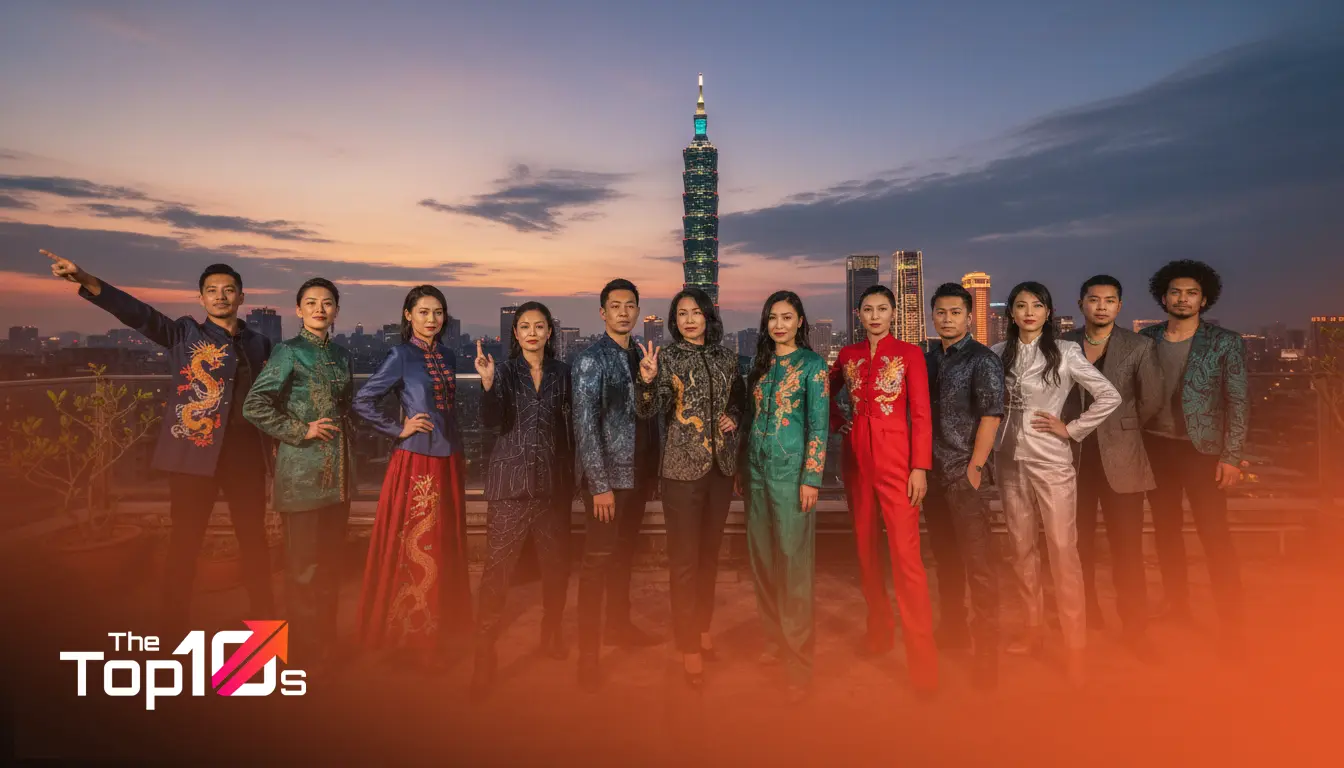
Taipei often flies under the radar when we talk about global style capitals. While Paris and Tokyo grab the headlines, Taiwan’s capital has quietly transformed into a powerhouse of textile innovation and aesthetic rebellion. You walk down the streets of Xinyi or Da’an, and the energy is palpable—it is a collision of high-tech functionalism and deep-rooted cultural heritage.
Finding the right creative talent here isn’t just about picking a name from a magazine. It is about understanding who can manipulate Taiwan’s world-class fabrics into silhouettes that tell a story. Whether you are a buyer looking for the next breakout label, a brand owner seeking collaboration, or a fashion enthusiast curating a wardrobe, the local talent pool offers a distinct blend of pragmatism and avant-garde artistry.
The designers listed here aren’t just making clothes; they are redefining what modern Asian fashion looks like. They move seamlessly between traditional craftsmanship—like complex embroidery—and futuristic, sustainable production methods. Let’s explore the individuals shaping this vibrant sartorial scene.
Quick Takeaways: Taipei Fashion Scene
- Textile Dominance: Many local designers have a distinct advantage due to Taiwan’s status as a global leader in functional fabric production.
- East Meets West: Expect a heavy emphasis on “Neo-Chinese” aesthetics—traditional collars and cuts updated with streetwear sensibilities.
- Sustainability is Standard: Upcycling and eco-friendly dyes are no longer niche here; they are central to many collections.
- Diverse Aesthetics: The scene ranges from dark, deconstructed avant-garde to hyper-colorful pop art influences.
How We Identified Leading Fashion Designers
Curating a list of top fashion designers in Taipei requires looking beyond Instagram follower counts. Our selection process focuses on tangible indicators of quality, consistency, and professional standing within the industry. We analyzed recent runway presentations at Taipei Fashion Week and international showcases to gauge creative momentum.
We also considered commercial viability. A great designer needs to do more than create art; they must deliver wearable, well-constructed garments. Factors such as fabric sourcing capabilities, pattern-making complexity, and brand identity played a major role in this selection. Finally, we listened to the local community—observing which names command respect among Taipei’s editors, stylists, and discerning shoppers. The result is a diverse group of professionals representing the best of Taiwanese design.
List of 10 Best Fashion Designers in Taipei
| SNO | Name | Best for |
|---|---|---|
| 1 | Shiatzy Chen (Wang Chen Tsai-Hsia) | Luxury Ready-to-Wear, Neo-Chinese Chic |
| 2 | Apu Jan | Knitwear, Digital Prints |
| 3 | Johan Ku | Avant-Garde Knitwear, Structural Design |
| 4 | Angus Chiang | Pop-Art Streetwear, Menswear |
| 5 | Jamie Wei Huang | Contemporary Womenswear, Leather Goods |
| 6 | Charinyeh (Yeh Chia-Lin) | Structural Deconstruction, Earth Tones |
| 7 | JUST IN XX (Justin Chou) | Sustainable Fashion, Upcycling, Street Couture |
| 8 | Seivson (Tzu Chin Shen) | Deconstructed Femininity, Layering |
| 9 | Austin. W (Wu Jih-Gang) | Future-Minimalism, Jersey Fabrics |
| 10 | Shao Yen (Chen Shao-Yen) | Art-Fashion, Costume Design |
Top 10 Fashion Designers in Taipei
The following designers represent a cross-section of the city’s creativity, ranging from established luxury houses to disruptive streetwear pioneers.
1. Shiatzy Chen (Wang Chen Tsai-Hsia)
Often referred to as the “Chanel of Taiwan,” Wang Chen Tsai-Hsia founded Shiatzy Chen with a vision to merge Eastern artistic heritage with Western tailoring techniques. She is a titan in the industry, having established a brand that commands global respect.
Specialization: Luxury Ready-to-Wear, Neo-Chinese Chic
Her work is instantly recognizable by the intricate embroidery and the modernization of traditional Chinese silhouettes, such as the mandarin collar and qipao cuts. She sources European fabrics but applies distinctly Asian craftsmanship. This label is best suited for clients who appreciate timeless elegance and investment pieces that transcend seasonal trends.
2. Apu Jan
Based between London and Taipei, Apu Jan has carved out a niche that sits at the intersection of fashion and literature. His runway shows often feature live music and storytelling elements, reflecting his deep interest in fantasy and history.
Specialization: Knitwear, Digital Prints
Jan is a master of knitting techniques. He doesn’t just use knitwear for comfort; he sculpts with it. His designs often feature complex 3D structures and proprietary digital prints that hint at surreal narratives. If you look for garments that feel like soft armor or wearable fiction, Apu Jan is the name to watch. His ability to manipulate wool and cashmere into fluid forms is exceptional.
3. Johan Ku
Johan Ku burst onto the scene as a design prodigy and has maintained a reputation for pushing boundaries. He views fashion primarily as sculpture, often creating pieces that blur the line between apparel and art installation.
Specialization: Avant-Garde Knitwear, Structural Design
Known initially for his “Emotional Sculpture” collection, Ku uses chunky, heavy yarns to create massive, textured silhouettes that defy gravity. While he produces ready-to-wear lines, his strength lies in statement pieces that dominate a room. He is an ideal match for those who view fashion as a form of artistic expression rather than mere utility. His texture work is unparalleled in the local market.
4. Angus Chiang
If you want to understand the vibrant, chaotic, and colorful energy of Taiwanese street culture, look at Angus Chiang. His designs are a love letter to his homeland, often pulling inspiration from betel nut packaging, electronic music, and school uniforms.
Specialization: Pop-Art Streetwear, Menswear
Chiang isn’t afraid of color. His collections are explosions of neon, oversized graphics, and humorous accessories. He captures a youthful, rebellious spirit that resonates deeply with Gen Z consumers. This designer is perfect for brands or buyers looking for high-energy, Instagram-friendly aesthetic that doesn’t take itself too seriously but maintains high production quality.
5. Jamie Wei Huang
Minimalism gets a sharp edge in the hands of Jamie Wei Huang. She focuses on the modern woman, stripping away the unnecessary to focus on strong lines and impeccable tailoring. Her work often features a juxtaposition of soft fabrics with rigid metal details.
Specialization: Contemporary Womenswear, Leather Goods
Huang’s strength is in her detailing. You might see a classic trench coat disrupted by unexpected geometric cutouts or a simple dress elevated by industrial hardware. Her aesthetic is clean but never boring. She is the go-to designer for the professional woman who wants to project power and sophistication without shouting.
6. Charinyeh (Yeh Chia-Lin)
Yeh Chia-Lin, the force behind Charinyeh, draws profound inspiration from Taiwan’s agricultural roots and sociopolitical history. Her design process is almost anthropological, often referencing the island’s transition from an agrarian society to a tech hub.
Specialization: Structural Deconstruction, Earth Tones
Her clothes often feature earthy palettes—mud browns, rice whites, and leafy greens. The construction is architectural, using layers and asymmetry to mimic organic growth. Charinyeh is suited for the intellectual dresser who values clothing with a narrative grounded in local soil and history.
7. JUST IN XX (Justin Chou)
Justin Chou is the rebel with a cause. His brand, JUST IN XX, is arguably the most vocal about sustainability and upcycling in Taipei. He famously turned trash into couture for the Tokyo Olympics, proving that waste is just a design flaw waiting to be fixed.
Specialization: Sustainable Fashion, Upcycling, Street Couture
Chou remixes old garments, industrial waste, and deadstock fabrics into high-fashion pieces. His style is eclectic and deconstructed, often featuring exposed seams and mismatched patterns. Clients seeking to align with eco-conscious values without sacrificing style edge will find a kindred spirit here.
8. Seivson (Tzu Chin Shen)
The name is a play on “Nos(e)” and “Vis(ion),” reflecting the designer’s philosophy that fashion is about sensory experience. Tzu Chin Shen creates clothing that focuses heavily on the female form, but not in a traditional way.
Specialization: Deconstructed Femininity, Layering
Seivson is known for distinct layering techniques—garments that can be worn in multiple ways or feature detachments. The aesthetic is often utilitarian but softened with feminine cuts. Shen is excellent at creating “workwear for the apocalypse,” blending durability with high-fashion sensibilities.
9. Austin. W (Wu Jih-Gang)
Not to be confused with the NY-based Jason Wu, Austin. W brings a quiet, futuristic calm to Taipei’s fashion scene. His work is heavily influenced by greyscale tones and fluid fabrics that drape effortlessly over the body.
Specialization: Future-Minimalism, Jersey Fabrics
Wu excels at pattern making that minimizes seams to maximize comfort. His clothes often look like uniforms for a utopian future—sleek, grey, and perfectly fitted. He is the ideal choice for those who prioritize comfort but refuse to look sloppy. His mastery of jersey and knit fabrics makes his pieces incredibly wearable in Taipei’s humid climate.
10. Shao Yen (Chen Shao-Yen)
Having designed for icons like Björk, Chen Shao-Yen brings an artistic, almost surrealist approach to his label. He experiments with unusual materials, sometimes stepping outside traditional textiles entirely.
Specialization: Art-Fashion, Costume Design
Shao Yen’s work plays with volume and the distortion of the human silhouette. While he produces commercial lines, his runway pieces are often museum-worthy sculptures. He is best suited for editorial work, stage design, or clients who want to make a dramatic entrance.
What Defines a Great Fashion Designer in Taipei?
The fashion ecosystem in Taipei is unique, and successful designers here possess a specific set of traits. It starts with material intelligence. Taiwan is a global hub for functional textiles—think moisture-wicking synthetics and recycled PET fabrics. A top-tier designer in this city knows how to utilize these high-tech materials without making the garment look like gym wear.
Cultural fluidity is another defining factor. The best creators here navigate the tension between traditional Chinese heritage, Japanese colonial influence, and Western pop culture. You see this in the “Neo-Chinese” trend, where mandarin collars are paired with bomber jackets. It isn’t a costume; it’s a modern identity.
Finally, there is an emphasis on pragmatic construction. Taipei is humid and rainy. Designers who ignore the local climate rarely last. The most respected names understand breathability and movement, ensuring that high fashion remains wearable in a subtropical environment. They balance the artistic vision with the reality of the street.
How to Choose the Right Fashion Designer for Your Needs
Selecting a design partner or a brand to buy into requires a strategic approach. Here is how to navigate your decision.
Assess the Aesthetic Compatibility
Don’t just look at a single garment; look at the portfolio. If you need clean corporate wear, a streetwear specialist like Angus Chiang might not be the right fit, regardless of his fame. Look for consistency in their collections over the last three years.
Understand Their Production Capabilities
If you are a buyer or retailer, you need to know if the designer operates on a “made-to-order” artisan model or if they have factory connections for larger production runs. Some of the names on this list, like Shiatzy Chen, have massive infrastructure, while others operate smaller, intimate studios.
Evaluate Sustainability Claims
Greenwashing is a global issue, but Taipei designers are generally transparent. Ask about their supply chain. Do they use locally sourced fabrics (reducing carbon footprint) or deadstock materials? Just In XX is a prime example of genuine commitment to this ethos.
Consider Regional Expertise
Fashion sourcing often involves comparing regional strengths, whether you are looking at the tech-heavy fabrics of Taiwan or the heritage craftsmanship found in other Asian hubs. For instance, comparing the modern cuts of Taipei with the traditional artistry of the top 10 fashion designers in Kathmandu can give you a broader perspective on Asian design diversity.
Frequently Asked Questions
Do Taipei fashion designers accept custom commissions?
Many independent designers, such as Austin. W or Apu Jan, may accept private client commissions for bespoke pieces, particularly for evening wear or special events. However, larger houses like Shiatzy Chen usually stick to their seasonal ready-to-wear collections.
Is sustainable fashion prominent in Taipei?
Yes, extremely. Due to Taiwan’s strong recycling infrastructure and textile technology, designers here are among the most eco-conscious in Asia. Look for labels like Story Wear or Just In XX for verified sustainable practices.
Where can I buy these designers’ clothes?
Most have flagship stores in the Xinyi District or boutiques in the Zhongshan area. Multi-brand boutiques like “One Fifteen” are also excellent places to find a curated selection of local talent under one roof.
How does Taipei fashion sizing compare to Western sizing?
Generally, sizing runs smaller than US or European standards. The cuts are often designed for an Asian frame, which may be slimmer in the shoulders and hips. Always check the specific measurement charts or try items on if possible.
Conclusion
The fashion landscape in Taipei is dynamic, shedding its reputation as merely a manufacturing hub to become a legitimate source of creative design. The designers listed above prove that this city creates trends rather than just following them. They offer a sophisticated mix of heritage appreciation and forward-thinking innovation.
Whether you are drawn to the architectural knits of Johan Ku or the colorful rebellion of Angus Chiang, engaging with Taipei’s fashion scene is a rewarding experience. We encourage you to dig deeper into these collections. Visit the boutiques, feel the fabrics, and appreciate the craftsmanship firsthand. The right designer is out there, ready to align with your personal style or business goals.