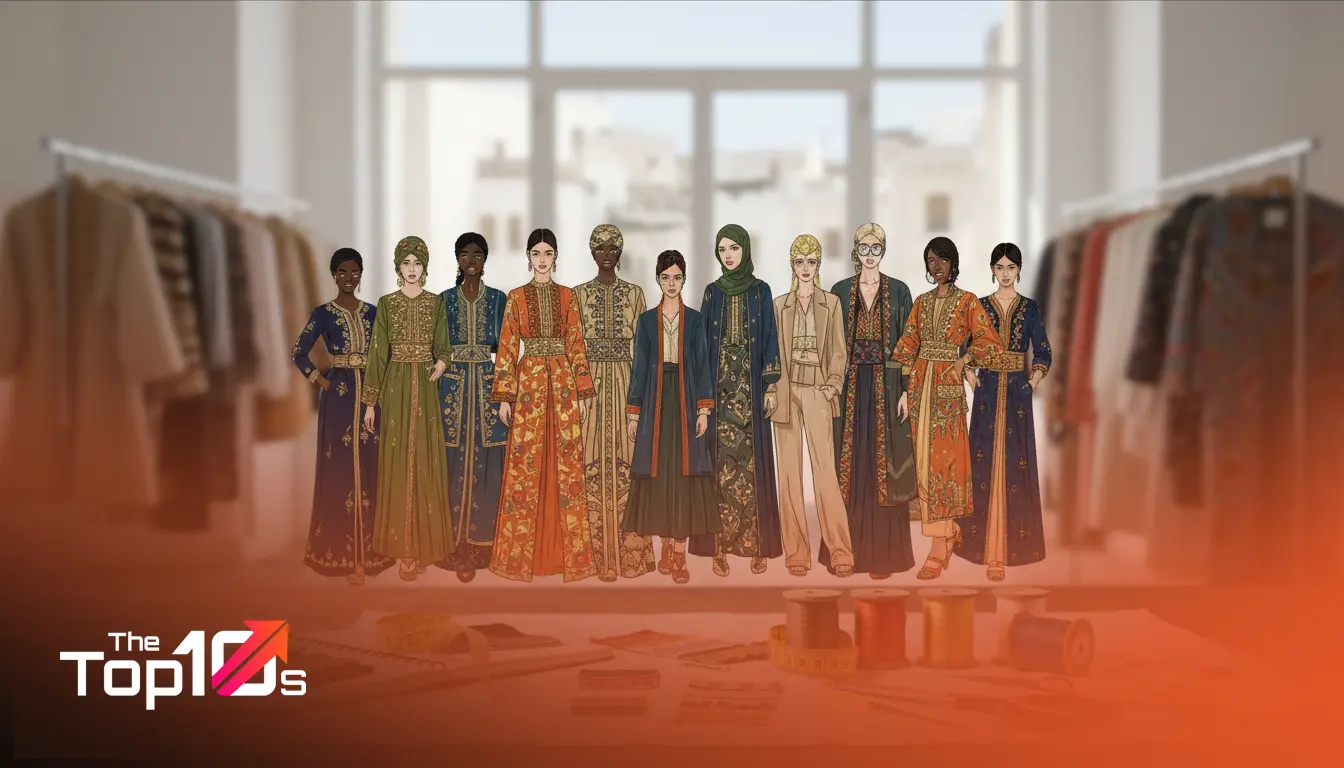
Ever walked into a room and felt that immediate shift in energy because of what you were wearing? That is the power of exceptional design. But finding the person who can translate that feeling into fabric, especially in a culturally rich hub like Tunisia, is a journey in itself.
Tunisia isn’t just a manufacturing hub for big European brands anymore. It is a pulsating heart of creativity where heritage meets hyper-modernity. You have designers here who can take the traditional fouta or the structure of a burnous and reimagine it for a Manhattan boardroom or a red carpet in Cannes. The search for the best fashion designers in Tunisia often leads you down a rabbit hole of stunning embroidery, architectural cuts, and stories woven into seams.
If you are looking to invest in a piece that holds value, tells a story, and fits impeccably, you need to know who is actually shaping the industry right now. We aren’t just talking about who has the most Instagram followers. We are looking at consistency, fabric knowledge, and that rare ability to make a garment feel alive.
Quick Takeaways
- Heritage is key: The top designers blend Tunisian craftsmanship (like ancestral embroidery) with contemporary silhouettes.
- Couture dominates: Tunisia has a particularly strong scene for bespoke, made-to-measure evening wear and bridal fashion.
- Sustainability is rising: A new wave of creators is prioritizing ethical production and upcycling over fast fashion trends.
- Global reach: Many names on this list regularly dress international celebrities and showcase in Paris or Dubai.
How We Identified Leading Fashion Designers
Pinpointing the true movers and shakers in the fashion industry requires looking past the glossy magazine covers. To compile this list of experienced fashion design professionals in Tunisia, we adopted a research-first approach that prioritizes craftsmanship and reputation over hype.
First, we analyzed the longevity and consistency of the designers. A great collection is one thing, but delivering quality season after season is what builds a legacy. We looked for designers who have established a clear, recognizable DNA in their work.
Second, we considered their technical background. Whether they trained at prestigious institutions like Esmod Tunis or honed their skills in family ateliers, the technical execution of the garment—how it sits on the body, the lining, the finishing—was a major factor.
Finally, we evaluated their standing within the broader fashion ecosystem. This includes participation in recognized fashion weeks (Tunis, Paris, Dubai), editorial features, and, crucially, client feedback regarding the fitting process and service. We aimed to highlight trusted fashion designers near Tunisia who offer not just a product, but a distinct perspective.
List of 10 Best Fashion Designers in Tunisia
| SNO | Name | Best For |
|---|---|---|
| 1 | Ali Karoui | The client who wants a “wow” moment. |
| 2 | Anissa Aida | The modern professional or creative who values comfort, unique silhouettes, and understated luxury. |
| 3 | Salah Barka | The bold trendsetter who treats fashion as art and cares deeply about ethical production. |
| 4 | Fatma Ben Abdallah | Brides looking for a traditional “Keswa” or anyone wanting a ceremonial garment that doubles as a museum-worthy investment piece. |
| 5 | Mehdi Kallel | The bride who dreams of a princess moment, or debutantes attending formal balls. |
| 6 | Seyf Dean Laouiti (Narciso Domingo Machiavelli) | Performers, musicians, or individuals with a rock-and-roll aesthetic who still want high-end construction. |
| 7 | Ahmed Talfit | Women who want to command a room. His dresses are favorites for power players and confident socialites. |
| 8 | Braim Klei | Building a capsule wardrobe of high-quality, timeless essentials that work for day and night. |
| 9 | Esthere Maryline | The sophisticated woman who needs a versatile wardrobe for brunches, business meetings, and cocktail parties. |
| 10 | Hedi Silem | Clients who want the couture experience but need garments that are practical enough for frequent wear. |
Top 10 Fashion Designers In Tunisia
The Tunisian fashion scene is incredibly diverse. Below, you will find a curated mix of high-glamour couturiers, avant-garde artists, and ready-to-wear specialists who are redefining North African style.
1. Ali Karoui
Often dubbed the “new Azzedine Alaïa,” Ali Karoui represents the pinnacle of high-octane glamour. If you follow international red carpets, particularly the Cannes Film Festival, you have likely seen his work without realizing it. Karoui has a gift for understanding the female form, creating silhouettes that are unapologetically sexy yet sophisticated.
Specialization: Luxury Evening Wear and Red Carpet Couture.
Notable Strengths: Karoui excels in intricate beadwork, corsetry, and dramatic trains. He uses fabrics that catch the light—sequins, crystals, and silks—constructed with architectural precision to ensure the dress stays perfectly in place.
Best For: The client who wants a “wow” moment. This is for galas, high-stakes weddings, or events where blending in is not an option.
2. Anissa Aida
On the other end of the spectrum is Anissa Aida. Her work is a breath of fresh air for those who find traditional luxury a bit too loud. Her aesthetic is deeply rooted in minimalism but with a twist. She draws inspiration from the geometry of Tunisian architecture and the functionality of traditional garments like the sailor’s uniform.
Specialization: Contemporary Ready-to-Wear and Accessories.
Notable Strengths: Her strength lies in structural cuts and high-quality natural fibers. You won’t find excessive embellishment here. Instead, you get impeccable tailoring and pieces that feel intellectual and cool.
Best For: The modern professional or creative who values comfort, unique silhouettes, and understated luxury.
3. Salah Barka
Salah Barka is more than a designer; he is an artist and a provocateur. A pioneer in the Tunisian fashion scene, he has long championed diversity and sustainability before they were industry buzzwords. His designs often challenge gender norms and incorporate upcycled materials, making strong social statements.
Specialization: Avant-Garde, Sustainable Fashion, and Costume Design.
Notable Strengths: Barka has an incredible eye for mixing textures and patterns that shouldn’t work together but somehow do. His ability to transform vintage fabrics and ethnic textiles into edgy, modern streetwear is unmatched.
Best For: The bold trendsetter who treats fashion as art and cares deeply about ethical production.
4. Fatma Ben Abdallah
You cannot discuss Tunisian fashion without acknowledging the guardians of heritage. Fatma Ben Abdallah is an institution. She has dedicated her career to reviving and preserving forgotten artisanal techniques. Her work is a love letter to Tunisian history, often recreating royal garments or reimagining regional costumes for the modern bride.
Specialization: Traditional Haute Couture and Bridal.
Notable Strengths: Her research into historical embroidery and fabric is exhaustive. She employs gold thread embroidery, velvet work, and silk weaving that are true to ancestral methods, ensuring these skills don’t die out.
Best For: Brides looking for a traditional “Keswa” or anyone wanting a ceremonial garment that doubles as a museum-worthy investment piece.
5. Mehdi Kallel
Mehdi Kallel brings a theatrical, almost fairy-tale quality to Tunisian couture. His designs are unabashedly romantic, often featuring voluminous skirts, delicate lace, and pastel palettes. He bridges the gap between the traditional Tunisian wedding aesthetic and the lightness of European haute couture.
Specialization: Bridal and Romantic Evening Wear.
Notable Strengths: Kallel is a master of layering. He knows how to use tulle and organza to create volume without weight. His embroidery is often floral and organic, creating a soft, feminine look.
Best For: The bride who dreams of a princess moment, or debutantes attending formal balls.
6. Seyf Dean Laouiti (Narciso Domingo Machiavelli)
Operating under the label Narciso Domingo Machiavelli, Seyf Dean Laouiti offers something darker and more moody. His work is often described as “glam-rock” meets “gothic chic.” He isn’t afraid of black, leather, or sharp, aggressive lines. It is fashion with an attitude problem, in the best possible way.
Specialization: Edgy Couture and Luxury Streetwear.
Notable Strengths: His tailoring is razor-sharp. He often incorporates unexpected hardware—chains, studs, zippers—into evening wear, creating a contrast between elegance and rebellion.
Best For: Performers, musicians, or individuals with a rock-and-roll aesthetic who still want high-end construction.
7. Ahmed Talfit
Ahmed Talfit is the architect of the Tunisian fashion world. His designs are defined by strong shoulders, cinched waists, and clean, geometric lines. He creates armor for women—garments that make the wearer feel powerful and protected. There is a futuristic element to his work that feels very current.
Specialization: Architectural Couture and Evening Wear.
Notable Strengths: Talfit’s pattern-making skills are exceptional. He can manipulate stiff fabrics to create gravity-defying shapes that look sculptural yet remain wearable.
Best For: Women who want to command a room. His dresses are favorites for power players and confident socialites.
8. Braim Klei
Braim Klei is the name to know for sophisticated simplicity. While many Tunisian designers lean toward heavy embellishment, Klei leans back. His work focuses on the purity of the cut. It is European chic with a Mediterranean soul, often utilizing a monochromatic palette to let the silhouette do the talking.
Specialization: Minimalist Prêt-à-porter and Luxury Basics.
Notable Strengths: His strength is in the drape. Whether it is a silk blouse or a wool coat, the fabric hangs perfectly. It is the kind of clothing that looks expensive because of how it moves.
Best For: Building a capsule wardrobe of high-quality, timeless essentials that work for day and night.
9. Esthere Maryline
Founded by Souhir Ben Saad, the house of Esthere Maryline is a staple in Tunis for refined elegance. She creates clothes that are meant to be lived in, not just looked at. Her designs often feature fluid lines and soft fabrics, celebrating femininity in a very classic, approachable way.
Specialization: Ready-to-Wear and Cocktail Attire.
Notable Strengths: Color usage. Souhir has a fantastic eye for palettes that complement the Mediterranean complexion—rich jewel tones, warm earth colors, and vibrant prints.
Best For: The sophisticated woman who needs a versatile wardrobe for brunches, business meetings, and cocktail parties.
10. Hedi Silem
Hedi Silem is a veteran who continues to innovate. He understands the commercial side of fashion without losing his creative soul. His collections often balance trend-focused pieces with timeless couture techniques, making his brand accessible to a wider range of clients.
Specialization: Contemporary Couture and high-end Ready-to-Wear.
Notable Strengths: Versatility. Silem is just as comfortable designing a sleek pantsuit as he is a beaded evening gown. His finishing standards are rigorous, ensuring durability.
Best For: Clients who want the couture experience but need garments that are practical enough for frequent wear.
What Defines a Great Fashion Designer in Tunisia?
Understanding the landscape here requires recognizing that Tunisian fashion is in a state of beautiful transition. Much like the vibrant scenes found when exploring the top 10 fashion designers in Morocco, Tunisian creators are balancing a heavy heritage with a desperate need for modernity.
A great designer here isn’t just someone who can sketch. It involves a deep understanding of local textiles. We are talking about utilizing Hayek (traditional silk veil fabric) or Tunisian linen in ways that don’t feel like a costume. The best designers respect the history of the thread but aren’t held hostage by it.
Furthermore, the definition of greatness here includes the ability to navigate a limited supply chain. Unlike Paris or Milan, sourcing specific zippers or high-tech fabrics can be a logistical nightmare in Tunis. The designers who thrive are the resourceful ones—those who can innovate with what is available locally or build strong import networks to maintain quality control.
How to Choose the Right Fashion Designer for Your Needs
Selecting a designer is personal. It is a collaboration. Here is a framework to help you make the right choice, ensuring you don’t end up with a beautiful dress that sits in your closet unworn.
Assess Your Timeline Honest
Couture takes time. A fully beaded gown from someone like Ali Karoui or Mehdi Kallel can take three to six months to produce. If you have an event in two weeks, you need to look at designers like Anissa Aida or Braim Klei who focus on ready-to-wear collections. Never push a couturier to rush; the quality will suffer.
Define Your “Wearability” Scale
Ask yourself: Do you want to stand, sit, or dance? Some architectural pieces, while stunning, are restrictive. If you are choosing a designer for a wedding reception where you plan to dance all night, express this during the consultation. Designers like Esthere Maryline focus on movement, whereas more sculptural designers prioritize the visual silhouette over range of motion.
Review the “Inside” of the Garment
When you visit an atelier, ask to see a finished piece inside out. The lining should be just as neat as the exterior. In a humid Mediterranean climate, natural linings (silk, cotton) are superior to synthetics. A designer who cuts corners on the inside is not worth the premium price tag.
Frequently Asked Questions
How much does a custom dress cost from a top Tunisian designer?
Prices vary wildly depending on the name and materials. A ready-to-wear piece might start around 300 to 800 TND (Tunisian Dinars), while bespoke couture gowns from top-tier names like Ali Karoui can easily range from 5,000 TND to well over 20,000 TND depending on the embroidery and fabric.
Do these designers ship internationally?
Yes, most of the designers listed, particularly those with a ready-to-wear line like Anissa Aida or Braim Klei, have e-commerce setups or handle international orders via Instagram/WhatsApp. For couture, you may need to travel for at least one fitting, though some use virtual measurements for overseas clients.
Can I ask a designer to modify a traditional Tunisian outfit?
Absolutely. Designers like Fatma Ben Abdallah specialize in this. It is common to bring a vintage piece (perhaps your mother’s) and have it “modernized” or resized. However, always ask about their philosophy first—some purists prefer not to alter vintage antiques.
Is sustainable fashion prominent in Tunisia?
It is growing rapidly. Designers like Salah Barka are leading the charge. If sustainability is your priority, ask the designer about their fabric sourcing. Many are now using deadstock fabrics from Tunisian factories to reduce waste.
Do I need an appointment to visit their ateliers?
For the vast majority, yes. Walk-ins are rare in the high-fashion sector in Tunis, especially in areas like Les Berges du Lac or La Marsa where many studios are located. Always book at least a week in advance.
Final Thoughts on Tunisian Style
Exploring the work of the best fashion designers in Tunisia reveals a sophisticated industry that is ready for the global stage. Whether you are drawn to the rebellious cuts of Salah Barka or the timeless romance of Mehdi Kallel, the talent pool here is deep and technically proficient.
Don’t just scroll through their feeds. If you can, visit their ateliers. Feel the fabrics. Talk to them about their process. The magic of Tunisian fashion is often in the conversation and the customization. By choosing a local designer, you aren’t just buying a dress; you are buying into a lineage of craftsmanship that is fighting to stay relevant in a fast-fashion world. Choose pieces that resonate with your personal style, and wear them with the confidence they deserve.