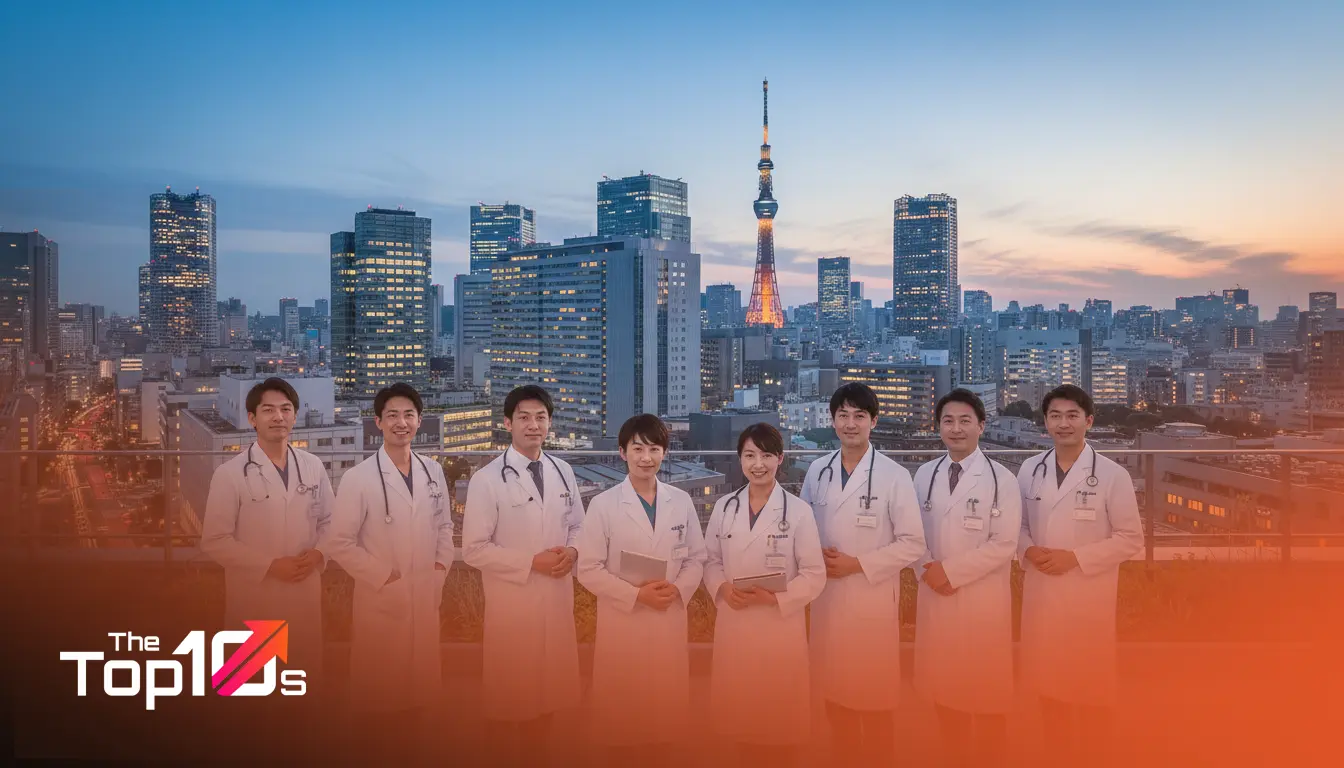
Imagine waking up in Minato-ku with a fever that won’t break, or realizing you need a specialist consultation while on an extended work assignment in Shinjuku. The panic isn’t usually about the quality of care—Japan boasts one of the world’s most advanced healthcare systems—but rather the accessibility. Will they understand your symptoms? Can you navigate the booking system?
Finding the best doctors in Tokyo isn’t just about medical accolades; it’s about finding a partner in your health who communicates clearly. Whether you are an expat resident, a diplomat, or a tourist facing an emergency, the right physician bridges the gap between superior medical technology and patient comfort.
You might be wondering where to start in a metropolis of 14 million people. We have analyzed the local healthcare scene to highlight professionals who are not only clinically exceptional but also accessible to the international community.
💡 Quick Takeaways for Patients
- Language is Key: Many top physicians listed here are bilingual or trilingual, eliminating the need for medical translators.
- Insurance Matters: Always check if a clinic accepts Japanese National Health Insurance (NHI) or strictly international private insurance.
- Referral Systems: For major university hospitals, you often need a referral letter to see a top specialist to avoid extra fees.
- Wait Times: Famous doctors in Tokyo often have long wait times; booking weeks in advance is standard practice.
How We Selected the Top Doctors
Identifying the top-rated physicians in Tokyo requires looking beyond a simple Google search. Our selection methodology focuses on the specific needs of a diverse population. We didn’t just look for the doctors with the most plaques on the wall; we looked for those who genuinely solve patient problems.
Criteria focused on:
- Linguistic Proficiency: Ability to conduct complex medical consultations in English (and often other languages).
- Board Certifications: Verification of credentials from Japan, the US, UK, or other recognized medical boards.
- Patient Accessibility: Ease of booking and clarity of communication during visits.
- Clinical Reputation: Standing within the Tokyo medical community and affiliation with prestigious hospitals like St. Luke’s or Keio University Hospital.
- Modern Methodology: Utilization of current diagnostic tools and evidence-based treatments.
List of 10 Best Doctors in Asia
| SNO | Name | Best for |
|---|---|---|
| 1 | Dr. Joe Kuroda | Expat families needing a reliable “home base” doctor. |
| 2 | Dr. King Limbin | Individuals seeking English-language mental health support and counseling. |
| 3 | Dr. Deshimaru | European expats and those needing thorough internal diagnostics. |
| 4 | Dr. Michel Orea | Anyone struggling with skin issues exacerbated by environmental changes. |
| 5 | Dr. Koichi Sudo | Patients with pre-existing heart conditions requiring specialist monitoring. |
| 6 | Dr. Sakiko Tomita | Expectant mothers and women seeking preventative health screenings. |
| 7 | Dr. Eugene Aksenoff | Short-term visitors and tourists needing immediate care. |
| 8 | Dr. Ryoichi Matsuta | Active individuals and athletes dealing with joint pain or injury. |
| 9 | Dr. Yuko Tsurimaki | Contact lens users and those with family histories of eye disease. |
| 10 | Dr. Tetsu Nakamura | Critical care consultation and complex neurosurgical needs. |
Top 10 Doctors in Tokyo
Here are ten medical professionals who stand out for their expertise and ability to serve the international and local community in Tokyo.
1. Dr. Joe Kuroda – General Practice & Family Medicine
If you are looking for a primary care physician who understands the nuances of family health, Dr. Joe Kuroda is a name that frequently surfaces in expat circles. Based at the Tokyo Medical & Surgical Clinic, he has built a reputation for bridging the gap between Western-style family practice and the Japanese medical system.
Why he stands out: Dr. Kuroda is known for his holistic approach. He doesn’t just treat the symptom; he looks at the patient’s lifestyle. His background includes training in both US and Japanese medical protocols, making him an excellent choice for families who might move between countries and need continuity of care. He is particularly adept at handling routine vaccinations, annual checkups, and acute illnesses for both adults and children.
Best for: Expat families needing a reliable “home base” doctor.
2. Dr. King Limbin – Psychiatry & Mental Health
Mental health support in Japan has historically been difficult to access for non-Japanese speakers. Dr. King Limbin changes that narrative. Operating out of the Tokyo Mental Health clinic, he provides a safe, empathetic space for patients dealing with anxiety, depression, and adjustment disorders.
Professional Edge: Dr. Limbin is UK-trained and brings a Western approach to psychiatric care, which often emphasizes therapy and counseling alongside medication management. This contrasts with some traditional local approaches that may lean heavily on pharmacotherapy alone. His ability to understand cultural dislocation makes him invaluable to the international workforce in Tokyo.
Best for: Individuals seeking English-language mental health support and counseling.
3. Dr. Deshimaru – Internal Medicine
Located near the French Embassy, Dr. Deshimaru has been a pillar for the Francophone and English-speaking communities for years. His clinic focuses on internal medicine, but his scope is surprisingly broad, covering everything from gastrointestinal issues to general fatigue.
Clinical Strengths: Patients often praise Dr. Deshimaru for his diagnostic patience. He takes the time to explain blood work results line-by-line, ensuring you understand exactly what is happening inside your body. His clinic is well-equipped for on-site testing, which speeds up the diagnosis process significantly compared to waiting for third-party lab results.
Best for: European expats and those needing thorough internal diagnostics.
4. Dr. Michel Orea – Dermatology
Skin conditions can be particularly distressing, and explaining rashes or reactions in a second language is frustrating. Dr. Michel Orea is a highly sought-after dermatologist who specializes in both clinical and aesthetic dermatology.
Notable expertise: Dr. Orea understands different skin types and how Tokyo’s humidity and water quality can affect them. Whether it’s treating adult acne, eczema flare-ups, or performing mole checks, his approach is precise and gentle. He is also current on the latest laser treatments and skincare formulations available in Japan.
Best for: Anyone struggling with skin issues exacerbated by environmental changes.
5. Dr. Koichi Sudo – Cardiology
Heart health requires absolute trust. Dr. Koichi Sudo represents the pinnacle of Japanese cardiac care. Often affiliated with major institutions like Juntendo University Hospital, specialists of his caliber are handling complex cases involving arrhythmias and ischemic heart disease.
Why consider him: Dr. Sudo is recognized for his work in interventional cardiology. If you require a catheterization or have a history of heart disease that needs monitoring while living in Tokyo, his technical skills are world-class. He combines the rigorous technical precision Japan is famous for with a clear bedside manner.
Best for: Patients with pre-existing heart conditions requiring specialist monitoring.
6. Dr. Sakiko Tomita – Gynecology & Obstetrics
Women’s health services in a foreign country can be intimidating. Dr. Sakiko Tomita is celebrated for providing a comfortable, non-judgmental environment for women. She operates with a keen understanding of Western expectations regarding privacy and patient autonomy.
Patient Care Focus: From prenatal care to menopause management, Dr. Tomita offers comprehensive support. She is particularly praised for her communication during pregnancy, helping expectant mothers navigate the Japanese “Boshi Techo” (Maternal and Child Health Handbook) system while respecting their birth plan preferences where safe.
Best for: Expectant mothers and women seeking preventative health screenings.
7. Dr. Eugene Aksenoff – General Medicine (Legacy Distinction)
While discussing the medical landscape of Tokyo, one must acknowledge the International Clinic in Azabudai. Though Dr. Aksenoff passed away recently, his clinic continues to operate under his philosophy with hand-picked successors. The clinic remains a legendary institution for foreigners.
The Clinic’s Role: The doctors currently staffing this facility continue the tradition of accepting walk-ins and refusing to turn away patients based on insurance difficulties. They are experts in “travel medicine”—treating the stomach bugs, infections, and sudden ailments that strike tourists.
Best for: Short-term visitors and tourists needing immediate care.
8. Dr. Ryoichi Matsuta – Orthopedics
For sports injuries, back pain, or joint issues, Dr. Ryoichi Matsuta is a top contender. Orthopedics in Japan is highly advanced, and Dr. Matsuta leverages cutting-edge imaging technology to diagnose musculoskeletal problems accurately.
Approach to Recovery: Unlike some surgeons who rush to operate, Dr. Matsuta is known for exhausting conservative therapies first. He works closely with physiotherapists to design rehabilitation programs that get patients back to their active lifestyles without unnecessary surgery. When surgery is required, his minimally invasive techniques reduce recovery time.
Best for: Active individuals and athletes dealing with joint pain or injury.
9. Dr. Yuko Tsurimaki – Ophthalmology
Eye care goes beyond getting a prescription for glasses. Dr. Yuko Tsurimaki is a specialist capable of handling complex ocular diseases, from glaucoma management to cataract assessments.
Why she makes the list: Her clinic is equipped with the latest diagnostic machinery, allowing for early detection of retinal issues. She is fluent in English, which is critical when discussing vision, as nuances in describing “blurriness” or “halos” affect the diagnosis. Her detailed explanations help patients feel in control of their eye health.
Best for: Contact lens users and those with family histories of eye disease.
10. Dr. Tetsu Nakamura – Neurosurgery & Second Opinions
When facing a serious diagnosis involving the brain or spine, seeking a second opinion is vital. Dr. Tetsu Nakamura is a heavyweight in the field of neurosurgery. While accessing him might require a referral to a major university hospital, his input on complex cases is invaluable.
Expertise: He specializes in cerebrovascular disorders. If you or a family member have received a concerning diagnosis elsewhere in Asia, consulting with a specialist of Dr. Nakamura’s rank in Tokyo provides clarity. Interestingly, medical standards vary across the region; for instance, if you were comparing specialists, you might look at the top 10 doctors in Hangzhou for a different perspective on Traditional Chinese Medicine integration, but for pure neuro-surgical precision, Tokyo remains a global leader.
Best for: Critical care consultation and complex neurosurgical needs.
What Makes a Great Doctor in Tokyo?
The definition of a “great” doctor in Japan involves a blend of technical mastery and Omotenashi—the Japanese concept of wholehearted hospitality. However, for the international patient, the criteria shift slightly.
Integration of Technology: The best clinics now use digital booking apps and offer results via secure email, moving away from the fax-machine culture that still dominates some older Japanese institutions.
Network Access: A top-tier private doctor knows their limits. The true mark of quality is their ability to refer you immediately to a specialized university hospital like St. Luke’s or the University of Tokyo Hospital when a condition escalates beyond clinic capabilities.
How to Choose the Right Doctor for Your Needs
Selecting from this list depends entirely on your residency status and health requirements. Consider this decision framework before making an appointment.
Check Your Insurance Coverage
This is the most critical step. Japanese National Health Insurance (NHI) covers 70% of costs at most clinics. However, some “boutique” international clinics operate strictly outside this system, requiring 100% payment upfront (which you can later claim from private travel insurance). Know who pays before you walk in the door.
Location vs. Specialization
Tokyo is vast. Traveling from Setagaya to Asakusa for a routine checkup is not sustainable. Choose a General Practitioner (GP) near your home or office. Reserve the cross-town travel for specialists (like cardiologists or dermatologists) whom you only see occasionally.
The “3-Minute Rule”
Be aware that at large university hospitals, high patient volume often leads to short consultation times—sometimes known as “3-minute medicine.” If you need long discussions and emotional support, a private international clinic is a better choice than a large public hospital.
Frequently Asked Questions
Do I need a referral to see a specialist in Tokyo?
Generally, yes. If you go to a large hospital without a referral letter from a GP, you will likely be charged an extra “sentei ryouyo hi” (elective treatment fee), which can range from 5,000 to 10,000 yen. Visiting a private clinic usually does not require a referral.
Do doctors in Tokyo prescribe the same medications as in the US or Europe?
Not always. Japan has strict regulations on drug approval. Some medications common in the West (certain ADHD stimulants or high-dose pain relievers) are restricted or illegal. A top doctor will know the legal Japanese equivalents that match your previous prescriptions.
How much does a doctor’s visit cost in Tokyo?
If you have Japanese health insurance, a standard consultation is very affordable, often under 1,500 yen ($10 USD). At a private, non-insurance international clinic, a consultation can range from 10,000 to 20,000 yen ($70-$140 USD) just for the visit.
Are walk-ins accepted?
Walk-ins are common at neighborhood clinics (local “Naika”), but international clinics and specialists almost always require an appointment. It is best to call or book online to avoid hours of waiting.
Next Steps for Your Health
Your health is your most valuable asset, especially when living or traveling abroad. Don’t wait until an emergency strikes to find a provider you trust.
Start by choosing a primary care doctor from this list and scheduling a basic health checkup. This establishes your patient record, making it infinitely easier to get care when you are actually sick. Verify your insurance coverage today, save the clinic’s number in your phone, and give yourself the peace of mind that comes with knowing you are in capable hands.