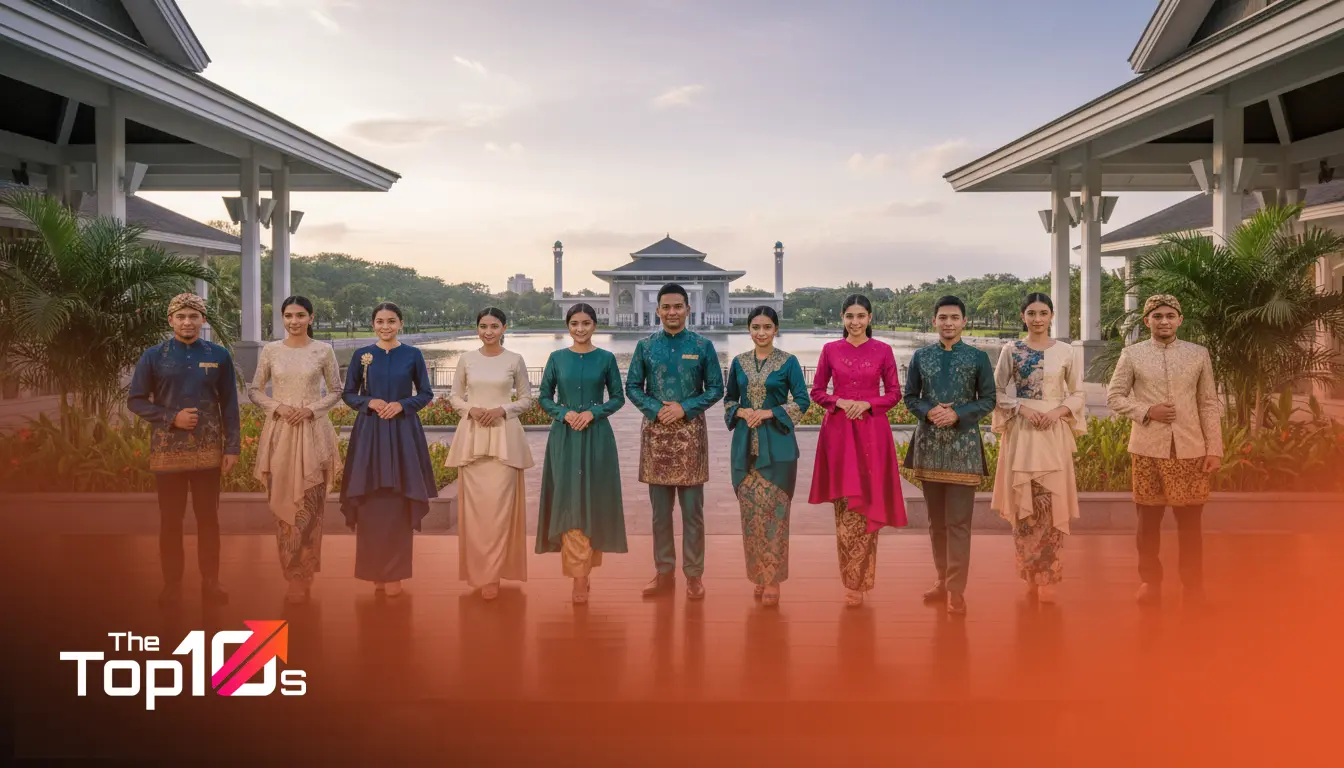
Have you ever tried to find a garment that perfectly balances contemporary style with the rich, cultural nuances of the Sultanate? It is a challenge many fashion enthusiasts in Bandar Seri Begawan face. You want something that respects tradition—perhaps incorporating the exquisite Tenun weaves—but you also crave a silhouette that speaks to modern global trends.
The fashion scene in Brunei Darussalam is far more dynamic than outsiders might assume. While it is deeply rooted in modesty and heritage, there is a quiet explosion of creativity happening behind studio doors. We aren’t just talking about standard tailoring here. We are seeing a wave of creative directors who are redefining what Bruneian luxury looks like. From high-fashion bridal couture to streetwear that challenges conventions, the local talent pool is deep.
Finding the right creative partner to execute your vision matters. Whether you are preparing for a royal audience, a wedding, or simply upgrading your Hari Raya wardrobe, the designer you choose acts as the architect of your personal image. This guide cuts through the noise to highlight the creative forces shaping the industry today.
Quick Takeaways: The Brunei Fashion Pulse
- Modesty Meets Modernity: The top designers excel at blending Syariah-compliance with high-fashion aesthetics.
- Fabric is King: Expect a heavy emphasis on proprietary textiles, specifically Songket and Tenun, reimagined for daily wear.
- Occasion-Centric: The industry revolves heavily around the festive season (Hari Raya) and elaborate wedding ceremonies.
- Lead Times Matter: Most of these designers operate on strict schedules; booking months in advance is the norm, not the exception.
How We Identified Leading Fashion Designers
Curating a list of this nature requires more than just looking at Instagram follower counts. We approached this selection process by analyzing the substance behind the style. In a close-knit market like Brunei, reputation is currency. We looked for professionals who have consistently delivered quality over years, not just one-hit wonders who went viral for a single collection.
Our criteria focused on craftsmanship and technical ability. A sketch is only as good as its execution. Does the designer understand pattern making? Can they manipulate difficult fabrics like heavy brocades or delicate silks? We also considered their adaptability. The best fashion designers in Brunei listen to their clients, translating vague ideas into wearable realities without losing their signature touch.
Finally, we evaluated their contribution to the local ecosystem. We prioritized designers who are mentoring the next generation, sourcing locally where possible, and pushing the boundaries of what is expected in Bruneian fashion. These insights come from industry observations, client feedback loops, and an analysis of recent collections showcased both locally and regionally.
List of 10 Best Fashion Designers in Brunei
| SNO | Name | Best For |
|---|---|---|
| 1 | Fadzil Hadin | Clients seeking red-carpet-worthy gowns that blend traditional motifs with sharp, modern edges. |
| 2 | Farhanna Pura (Na Forrér) | Brides looking for ethereal, fairy-tale aesthetics with high-end structural engineering. |
| 3 | Maribelle Pok (Maribelle) | The sophisticated woman who prefers classic elegance and romantic textures over sharp trends. |
| 4 | The Creative Team at Bajoo | High-society events where luxury materials and heavy embellishment are required. |
| 5 | Zulhelmi (Humwara) | Men who want to modernize their traditional wardrobe with subtle, architectural details. |
| 6 | Chantique | Cultural ambassadors and anyone looking to invest in heirloom-quality traditional pieces. |
| 7 | Little Ummi | Families seeking high-quality, coordinated festive wear that is comfortable for children. |
| 8 | Lipz Voda | The younger generation and trend-watchers who want to stand out from the crowd. |
| 9 | Aisyah Kuncir | Daily wear that bridges the gap between casual comfort and professional presentation. |
| 10 | Bilang | Clients who view fashion as an extension of their artistic personality. |
Top 10 Fashion Designers In Brunei
Here are the creative minds setting the standard for style, elegance, and innovation in the Sultanate right now.
1. Fadzil Hadin
Specialization: Contemporary Couture & International Fusion
If there is one name that has managed to bridge the gap between Bandar and the global runway, it is Fadzil Hadin. His work frequently appears in international fashion weeks, bringing a slice of Bruneian heritage to London and Dubai. Fadzil is not afraid of drama. His aesthetic often involves strong, architectural silhouettes softened by intricate detailing.
What separates Fadzil from his peers is his fearlessness with geometric patterns. He often takes the traditional motifs found in Songket and reinterprets them through modern laser-cutting techniques or avant-garde prints. He is the go-to creative for women who want to make a statement entrance. His studio manages to balance the heavy, regal look of traditional wear with a lightness that makes the garments wearable for long events.
Best For: Clients seeking red-carpet-worthy gowns that blend traditional motifs with sharp, modern edges.
2. Farhanna Pura (Na Forrér)
Specialization: Luxury Bridal & Structured Modest Wear
Farhanna Pura, the creative force behind Na Forrér, has established herself as a titan in the bridal sector. Her understanding of the female form is impeccable. In a market where modest fashion can sometimes look shapeless, Farhanna introduces structure. She utilizes corsetry techniques hidden beneath layers of fabric to provide support while maintaining modesty.
Her work is characterized by lush embellishments—think Swarovski crystals and hand-sewn beads—applied with restraint. It never looks cluttered; it looks expensive. She has a particular talent for color grading, often using pastel palettes that complement Asian skin tones perfectly. Her collections often sell out immediately upon release, a testament to her pulse on what the modern Bruneian woman wants to wear.
Best For: Brides looking for ethereal, fairy-tale aesthetics with high-end structural engineering.
3. Maribelle Pok (Maribelle)
Specialization: Feminine Ready-to-Wear & Lace Work
For those who adore unabashed femininity, Maribelle Pok offers a distinct voice. Her label focuses heavily on lace, soft tulles, and floral appliqués. While some designers focus on the avant-garde, Maribelle leans into romance and timeless elegance. Her designs do not scream; they whisper.
She has gained a loyal following among working professionals who need outfits that transition from the office to an evening wedding reception. Her ability to layer different textures of white and cream without the outfit looking flat is a skill few possess. The “Maribelle look” is polished, soft, and meticulously finished, with particular attention paid to how fabrics drape over the shoulder and hip.
Best For: The sophisticated woman who prefers classic elegance and romantic textures over sharp trends.
4. The Creative Team at Bajoo
Specialization: High-End Luxe & Exotic Textiles
Bajoo has become a household name in Brunei for luxury fashion. The design team here operates with a philosophy of “more is more” when it comes to quality. They are renowned for sourcing fabrics that are not available elsewhere in the country, often flying in textiles from Europe and the Middle East.
The design aesthetic at Bajoo is regal. They specialize in heavy beading and rich, deep colors—royal blues, emerald greens, and maroons. Their Baju Kurung interpretations often feature cape-like structures and dramatic sleeves, adding a touch of theatricality to traditional silhouettes. For the elite social circle in Brunei, Bajoo is often the first stop for gala dinners.
Best For: High-society events where luxury materials and heavy embellishment are required.
5. Zulhelmi (Humwara)
Specialization: Minimalist Menswear & Androgynous Cuts
The menswear market in Brunei is often overlooked, but Zulhelmi is changing that narrative. Through his brand Humwara, he brings a refreshing minimalism to the table. His designs strip away the unnecessary, focusing entirely on the cut and the fall of the fabric. This is distinct from the traditional tailors who stick to rigid templates.
Zulhelmi experiments with collar shapes, hidden plackets, and asymmetrical hemlines on the traditional Cara Melayu. He also ventures into streetwear, blending cultural pride with a utilitarian aesthetic. His work appeals to a younger, fashion-forward demographic that values comfort just as much as style. It represents a shift towards “quiet luxury” in the male market.
Best For: Men who want to modernize their traditional wardrobe with subtle, architectural details.
6. Chantique
Specialization: Modernizing Traditional Tenun
Chantique operates at the intersection of heritage preservation and modern design. Their primary focus is the Tenun—Brunei’s hand-woven textile. Historically, Tenun was reserved for very formal occasions due to its stiffness and weight. The designers at Chantique have worked tirelessly to create silhouettes that make this heavy fabric feel contemporary.
They are masters of paneling. By mixing the heavy woven cloth with lighter chiffons or satins, they create garments that honor heritage without weighing the wearer down. Their color combinations are often bold, contrasting the metallic threads of the weave with vibrant base colors. This is the brand for patriots who wear their culture on their sleeve, literally.
Best For: Cultural ambassadors and anyone looking to invest in heirloom-quality traditional pieces.
7. Little Ummi
Specialization: Family Coordination & Children’s Couture
Fashion in Brunei is a family affair, especially during Eid. Little Ummi has cornered the market on high-quality coordination. While it might seem niche, the design challenge of creating matching sets that look age-appropriate for a toddler, a teenager, and a mother is immense. The creative lead here excels at scaling designs.
They don’t just shrink adult clothes for kids; they redesign them for durability and movement. The brand is known for comfortable fabrics that can withstand the tropical heat while maintaining a formal appearance. Their aesthetic is cheerful, colorful, and practical, solving a massive headache for mothers who want a cohesive family look for festive portraits.
Best For: Families seeking high-quality, coordinated festive wear that is comfortable for children.
8. Lipz Voda
Specialization: Edgy Street-Glam
Lipz Voda brings an attitude that is somewhat rare in the Sultanate. The design ethos here is about disruption. You will find unexpected zippers, metallic sheens, and bold graphic prints mixed with modest silhouettes. It is fashion for the brave.
The designers behind Lipz Voda tap into the global pop-culture zeitgeist. If neon is trending in Paris, they figure out how to make it work for a hijab-wearing client in Brunei. This adaptability makes them a favorite among influencers and the youth who find traditional cuts too restrictive or boring. They prove that modesty does not have to mean invisibility.
Best For: The younger generation and trend-watchers who want to stand out from the crowd.
9. Aisyah Kuncir
Specialization: Accessible Daily Modesty
While haute couture has its place, Aisyah Kuncir addresses the need for stylish, everyday wear. The design philosophy here centers on “throw-on-and-go” elegance. The cuts are loose and forgiving, yet they retain a chic silhouette that doesn’t look sloppy.
Aisyah creates pieces that serve the busy modern woman. Pockets are a standard, not a luxury, in her designs. The fabrics are chosen for their wrinkle resistance and breathability. She has managed to elevate the daily Jubah into something that feels designed rather than just manufactured. It is practical fashion executed with a high design IQ.
Best For: Daily wear that bridges the gap between casual comfort and professional presentation.
10. Bilang
Specialization: Conceptual & Artistic Expression
Bilang is for the art lover. The designs emerging from this label often feel more like wearable art than standard clothing. They play with volume and texture in ways that challenge the eye. You might see oversized ruffles, deconstructed jackets, or mixed-media applications that tell a story.
The designer views clothing as a canvas. This approach attracts a clientele that works in the creative industries—architects, graphic designers, and artists who want their clothing to reflect their professional creativity. Bilang is not about blending in; it is about starting a conversation.
Best For: Clients who view fashion as an extension of their artistic personality.
What Defines a Great Fashion Designer in Brunei?
Understanding the local landscape is crucial. A designer can have all the technical skills in the world, but if they don’t understand the cultural context of Brunei, they will struggle. The primary definition of greatness here is the ability to navigate the rules of modesty while still delivering glamour.
The Climate Factor
Brunei is hot and humid. A great designer knows that heavy velvets, while regal, are practical torture for an outdoor afternoon wedding. The top professionals understand fabric technology—using breathable linings and natural fibers that wick moisture, even under heavy beading.
Cultural Nuance
There is a specific etiquette to Bruneian dress codes, particularly for events involving royalty or religious ceremonies. An experienced designer acts as a consultant, ensuring that hemlines, necklines, and fits adhere to protocol so the client never faces embarrassment.
Regional Context
Designers here are also influenced by their neighbors. If you are exploring Southeast Asian creativity beyond the Sultanate, looking at the top 10 fashion designers in Laos can offer a contrasting perspective on textile usage, showing how different cultures utilize weaving techniques distinct from Brunei’s Tenun.
How to Choose the Right Fashion Designer for Your Needs
Selecting a designer is a commitment of time, money, and trust. Before you hand over a deposit, consider these factors to ensure the partnership yields the results you want.
Assess Your Timeline Honestly
Custom fashion is not fast food. High-quality bespoke work takes time. For Hari Raya, the best designers often close their order books three to four months in advance. If you need something in two weeks, you might be better off with a designer who focuses on ready-to-wear collections rather than bespoke couture.
Review Their “Finish”
When you visit a studio, ask to see a finished garment inside out. Look at the stitching. Is it straight? Is the lining clean, or is it bunching up? Are the raw edges serged properly? A pretty sketch means nothing if the garment falls apart after one wash. The interior of the garment reveals the designer’s true integrity.
Match the Aesthetic
Do not go to a minimalist designer and ask for a gown covered in feathers and sequins. While they might be able to do it, you are not utilizing their strength. Review their portfolio and choose a designer whose natural style aligns with your vision. It makes the communication process much smoother and the final outcome much better.
Communication Style
During your initial consultation, pay attention to how they listen. Do they steamroll your ideas, or do they offer constructive feedback? The best relationship is collaborative. You want a designer who will tell you gently if a certain cut won’t flatter your body type, rather than one who just says “yes” to get the sale.
Frequently Asked Questions
How much does a bespoke dress typically cost in Brunei?
Costs vary wildly depending on the fabric and complexity. A simple custom piece might start around BND 150, while intricate bridal couture involving imported lace and heavy beading can easily range from BND 800 to several thousand dollars.
Do I need to provide my own fabric?
It depends on the designer. Some, like Bajoo or Chantique, prefer to use their own curated textiles to ensure quality control. Others operate as “cut and sew” services where you bring the material. Always clarify this before your first appointment.
What is the difference between “Made-to-Measure” and “Bespoke”?
Made-to-measure usually involves taking a standard pattern and altering it to fit your measurements. Bespoke means a new pattern is drafted from scratch specifically for your body. Bespoke is more expensive and takes longer but offers a superior fit.
Can these designers accommodate plus-size clients?
Absolutely. One of the main benefits of working with local Brunei designers is their expertise in tailoring for diverse body shapes. Unlike mass-market brands, they customize the fit to flatter your specific proportions.
When should I book for a wedding outfit?
For a wedding, you should begin the consultation process at least 6 months in advance. This allows time for sourcing specific fabrics, multiple fittings, and any last-minute adjustments without stress.
Next Steps for Your Style Journey
The talent within Brunei is undeniable. Whether you need a power suit for the boardroom, a traditional ensemble for Friday prayers, or a show-stopping gown for your reception, these designers offer world-class craftsmanship right on your doorstep.
Don’t settle for off-the-rack if it doesn’t serve you. Take the time to visit these studios. Feel the fabrics, talk to the creators, and invest in pieces that are built to last. Your wardrobe is an investment in yourself—choose a designer who respects that investment as much as you do.