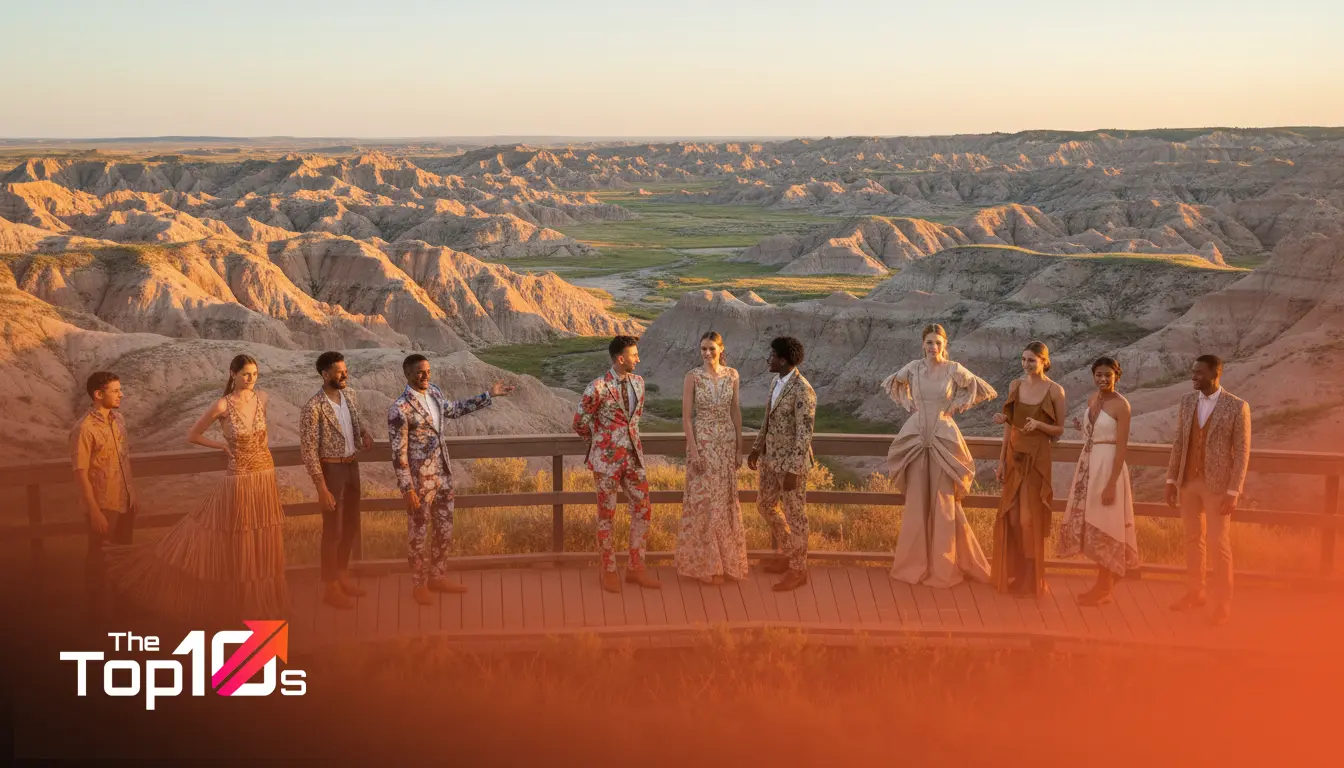
Most people, when asked about American fashion capitals, immediately think of the coastal giants. But if you look closer at the Great Plains, specifically South Dakota, you’ll find a vibrant, surprisingly diverse design community that defies rural stereotypes. The fashion narrative here isn’t just about utility or Western wear—though those roots run deep—it is about a profound connection to heritage, sustainable craftsmanship, and modern storytelling.
You might be wondering what exactly the design scene looks like in the Mount Rushmore State. It is a unique blend of traditional Lakota artistry meeting contemporary silhouettes, alongside practical ready-to-wear designers in hubs like Sioux Falls who are rethinking modern apparel. Whether you are looking for bespoke bridal wear, culturally significant indigenous couture, or rugged sustainable outerwear, the talent pool here is specialized and deeply skilled.
Finding the best fashion designers in South Dakota requires knowing where to look. It’s not about scrolling through mass-market retail sites; it’s about discovering the independent studios and creative visionaries who are stitching the state’s culture into every garment.
Quick Takeaways
- Heritage represents luxury: The most prominent high-fashion designers in SD often integrate Indigenous beadwork and textiles.
- Sustainability is standard: Many local creators focus on upcycling and natural materials due to the region’s resourceful culture.
- Sioux Falls is the hub: The majority of contemporary ready-to-wear studios are concentrated in the state’s largest city.
- Customization over volume: Expect bespoke, made-to-measure services rather than fast-fashion production speeds.
How We Identified Leading Fashion Designers
Selecting the top creative minds in a state like South Dakota demands a different approach than ranking designers in Paris or Milan. We didn’t look for runway volume or global retail distribution. Instead, we focused on cultural impact, craftsmanship, and client satisfaction.
Our methodology prioritized creators who demonstrate a mastery of their chosen medium. We looked for designers who have established a clear voice within the regional market, whether through local fashion weeks, art markets, or successful independent boutiques. We also considered the longevity of their practice and their ability to translate a client’s vision into a wearable reality. Public reputation played a massive role; in smaller communities, word-of-mouth is the ultimate verifier of quality. If a designer is consistently recommended for high-stakes commissions—like weddings or cultural ceremonies—they made our list.
List of 10 Best Fashion Designers in South Dakota
| SNO | Name | Best For |
|---|---|---|
| 1 | Tosa Two Heart | Buyers looking for casual wear that carries deep cultural significance. |
| 2 | Kayla Waldner | Brides and formal event attendees needing precise fit and custom adjustments. |
| 3 | J. Waylon & Daughters | Those seeking investment pieces that age beautifully with time. |
| 4 | Norma Baker-Flying Horse (Red Berry Woman) | High-profile events where making a cultural statement is the priority. |
| 5 | Henry Payer | Collectors interested in the intersection of fine art and apparel. |
| 6 | The Burns Sisters (Sisters of the loom) | Eco-conscious consumers needing high-quality winter apparel. |
| 7 | Trashy Finery (Upcycled Fashion) | Artistic personalities who want unmatched, eco-friendly statement pieces. |
| 8 | Designs by Darlene | Professionals needing perfectly fitted business or evening wear. |
| 9 | Cante Heart | Community members and allies seeking authentic, respectfully made cultural attire. |
| 10 | Studio 605 Creatives | Theatrical productions and complex, structural garment needs. |
Top 10 Fashion Designers in South Dakota
The following individuals and studios represent the spectrum of style in South Dakota, ranging from avant-garde Indigenous artists to practical modern clothiers.
1. Tosa Two Heart
Tosa Two Heart has emerged as a distinct voice in the realm of Indigenous fashion. A member of the Oglala Lakota Nation, her work seamlessly blends traditional aesthetics with modern functionality. She doesn’t just design clothes; she creates statements about identity. Her brand typically features contemporary items—like hoodies and activewear—elevated with intricate, culturally specific designs that resonate with both Native and non-Native audiences who appreciate authentic storytelling.
Specialization: Contemporary Indigenous Streetwear & Accessories
Experience: 10+ Years
Best For: Buyers looking for casual wear that carries deep cultural significance.
2. Kayla Waldner (The Sioux Falls aesthetic)
Operating out of the growing creative hub of Sioux Falls, designers like Kayla Waldner (often associated with local bridal and formal alterations and custom design) represent the technical backbone of the state’s fashion. While many know her for precision fitting, her capability to reconstruct and design formal wear from scratch highlights a deep understanding of garment architecture. She represents the custom clothier market that keeps local fashion personalized.
Specialization: Bridal & Formal Customization
Experience: 8+ Years
Best For: Brides and formal event attendees needing precise fit and custom adjustments.
3. J. Waylon & Daughters
You cannot discuss South Dakota fashion without acknowledging the mastery of leather and utility. J. Waylon & Daughters brings a heritage approach to leather goods and apparel. This isn’t kitschy tourist wear; it is high-end, durable, heirloom-quality design. Their approach to construction ensures that every piece—whether a bag or a bespoke leather accessory—is built to survive the Dakota elements while looking sophisticated.
Specialization: Leather Goods & Heritage Accessories
Experience: Established Family Artisan Brand
Best For: Those seeking investment pieces that age beautifully with time.
4. Red Berry Woman (Norma Baker-Flying Horse)
While often associated with the broader Dakota/region, Norma Baker-Flying Horse’s influence permeates the South Dakota fashion consciousness. Her brand, Red Berry Woman, is perhaps one of the most recognized Indigenous couture labels, having appeared on red carpets at the Oscars and Grammys. Her designs are characterized by exquisite beadwork and modern silhouettes that challenge the “costume” stereotypes of Native fashion, presenting it instead as true haute couture.
Specialization: Indigenous Haute Couture & Red Carpet Wear
Experience: 15+ Years
Best For: High-profile events where making a cultural statement is the priority.
5. Henry Payer
Though primarily recognized as a visual artist, Henry Payer’s influence extends into wearable art and textile design within the region. His work often incorporates the ledger art style, translating historical narratives onto fabric. Designers and collaborators often look to artists like Payer to infuse garments with visual depth that standard textile prints cannot achieve.
Specialization: Textile Art & Cultural Narrative Design
Experience: 12+ Years
Best For: Collectors interested in the intersection of fine art and apparel.
6. The Burns Sisters (Sisters of the loom)
In the world of fiber arts and knitwear, local creators often operate under smaller studio names. The collaborative efforts of fiber artists in the Black Hills region (often represented by collectives) produce incredible sustainable knitwear. These designers focus on locally sourced wool, distinct from mass-market synthetics. They champion the “slow fashion” movement, creating garments that are warm, breathable, and biodegradable.
Specialization: Sustainable Knitwear & Fiber Arts
Experience: Varied (Collective Expertise)
Best For: Eco-conscious consumers needing high-quality winter apparel.
7. Trashy Finery (Upcycled Fashion)
The sustainable fashion movement has a quirky, artistic champion in concepts like Trashy Finery (often seen in local art shows). This represents the experimental side of South Dakota design, where creators take discarded materials and vintage textiles to construct avant-garde wearable art. It challenges the conservative nature of Midwest fashion, offering something truly one-of-a-kind for the bold dresser.
Specialization: Upcycled Avant-Garde
Experience: 5+ Years
Best For: Artistic personalities who want unmatched, eco-friendly statement pieces.
8. Designs by Darlene
A staple in the local community for years, designers operating under established alteration and custom shops like Designs by Darlene provide the essential service of made-to-measure clothing. While they may not host runway shows in Paris, their expertise in pattern making and fabric manipulation makes them invaluable for clients who cannot fit into standard retail sizing or who have a specific garment design in mind.
Specialization: Custom Tailoring & Pattern Making
Experience: 20+ Years
Best For: Professionals needing perfectly fitted business or evening wear.
9. Cante Heart
Another powerful voice in the Indigenous fashion community, Cante Heart focuses on the revitalization of traditional attire for modern contexts. Her work often includes ribbon skirts and shirts that are technically precise and visually stunning. The use of color theory in her ribbon work sets a high standard for contemporary ceremonial and everyday wear.
Specialization: Traditional & Contemporary Ribbon Work
Experience: 7+ Years
Best For: Community members and allies seeking authentic, respectfully made cultural attire.
10. Studio 605 Creatives
Rounding out our list is the collective talent found within the Sioux Falls theater and arts communities, often operating under banners like Studio 605. These costume designers and stylists are the unsung heroes who create elaborate, durable, and period-accurate clothing. For themed events, specialized performance wear, or complex cosplay builds, these designers offer technical skills that standard fashion designers rarely possess.
Specialization: Costume Design & Performance Wear
Experience: Varied
Best For: Theatrical productions and complex, structural garment needs.
What Defines a Great Fashion Designer in South Dakota?
South Dakota’s fashion landscape is less about fleeting trends and more about enduring substance. A great designer here understands the environment. The weather in the Northern Plains can be extreme, oscillating between humid heat and bitter cold. Consequently, the best designers prioritize material integrity—using wools, leathers, and heavy cottons that perform well under pressure.
Furthermore, cultural competency is a massive defining factor. With the strong influence of the Lakota, Dakota, and Nakota nations, top-tier designers either authentically represent these cultures or respectfully coexist without appropriating them. There is a deep respect for the time it takes to create something; “fast fashion” is practically a dirty word among the state’s artisan circles.
If you are exploring creative talent across different states, you might notice similarities in how regional culture shapes design. For instance, comparing the rugged, resource-heavy designs here with the coastal influences found when you look at the top 10 fashion designers in South Carolina reveals how geography dictates style.
How to Choose the Right Fashion Designer for Your Needs
Hiring a fashion professional is a partnership. To ensure you get the garment you envision, consider these factors before paying a deposit.
Assess Their Portfolio for Versatility
Some designers are specialists; others are generalists. If you need a heavy winter coat, a designer who specializes in delicate beadwork or bridal silk might not be the right technical fit, even if their work is beautiful. Look for past examples that match the structure and weight of the garment you want.
Ask About Sourcing
In South Dakota, where the supply chain for exotic fabrics isn’t as immediate as in New York, ask where they get their materials. A resourceful designer will have established connections with mills or reputable online wholesalers. If they rely solely on local chain craft stores, the longevity of your garment might be compromised.
Understand the Timeline
Custom work takes time. A complex ribbon skirt or a bespoke suit is not a two-week project. Most independent designers in this region have waitlists. Be transparent about your deadline immediately. If you need something for a specific event, reach out at least three to four months in advance.
Frequently Asked Questions
Is South Dakota fashion focused only on Western wear?
Not at all. While Western influences (leather, denim, utility) are present, there is a massive market for contemporary streetwear, sustainable upcycled clothing, and high-end Indigenous couture that rivals designs found in major cities.
How much does a custom garment cost in South Dakota?
Prices vary wildly based on labor and materials. A simple custom alteration might cost $50-$100, while a fully beaded, bespoke gown or intricate ribbon skirt can range from $500 to several thousand dollars due to the hundreds of hours of handwork involved.
Where can I see these designers’ work in person?
The best places to view local fashion are at events like South Dakota Fashion Week (SDFW), the specialized art markets during powwows, and local boutiques in downtown Sioux Falls or Rapid City that stock independent makers.
Are there sustainable fashion designers in SD?
Yes, sustainability is a growing focus. Many designers in the Great Plains practice “slow fashion” by default, utilizing natural fibers like wool and leather, or upcycling vintage textiles to reduce waste.
Can I hire these designers for online consultations?
Many of the contemporary designers and younger creatives are fully digital-native and can conduct consultations via Zoom, though final fittings for tailored garments are almost always better done in person.
Conclusion
The fashion designers of South Dakota offer something that is becoming increasingly rare in the global apparel industry: authenticity. Whether it is the ancestral storytelling woven into Red Berry Woman’s designs or the rugged, lifetime-guaranteed leather work from local artisans, the focus here is on creating pieces that matter.
When you choose to work with one of these professionals, you aren’t just buying clothes. You are investing in a localized economy of art and supporting a creative vision that values quality over quantity. Take the time to review their portfolios, ask about their creative process, and enjoy the experience of wearing something made specifically for you.