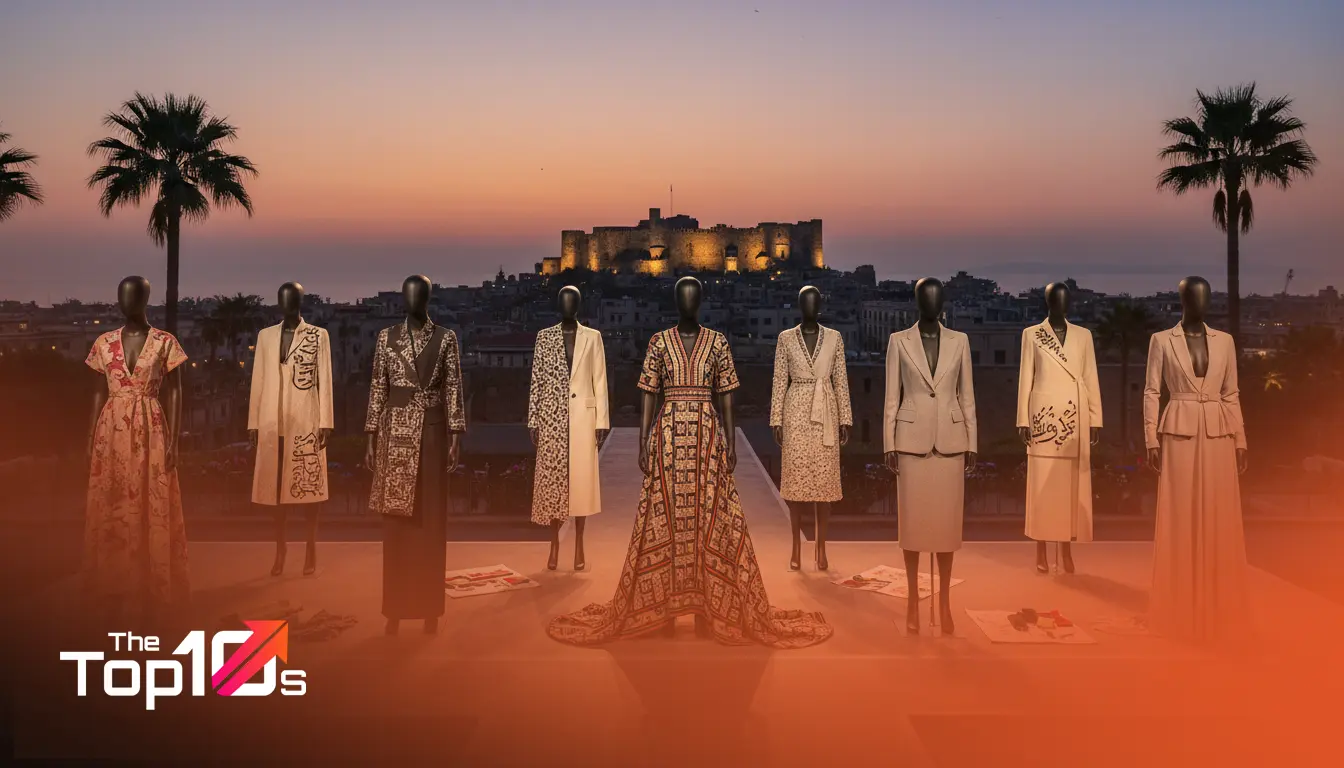
Finding the right creative partner to bring your wardrobe vision to life is rarely a straightforward task. In a city like Tripoli, where history weaves through every street corner and social occasions are treated with immense reverence, the stakes feel even higher. You aren’t just looking for someone who can sketch a dress or tailor a suit; you are looking for an architect of style who understands the nuances of Northern Lebanese culture.
Tripoli offers a fascinating contrast to other fashion capitals. While it respects deep-rooted traditions, there is a surging undercurrent of modern innovation. The best fashion designers here don’t just follow trends blindly. Instead, they interpret global movements through a local lens, creating pieces that feel both contemporary and respectful of the region’s sophisticated heritage. Whether you are planning a lavish wedding at the Rashid Karami International Fair complex or need a sharp ensemble for a business summit, the talent pool here is surprisingly deep.
There is often a misconception that you must travel south to the capital to find high-end couture. That is simply not the case anymore. The North has cultivated its own ecosystem of sartorial excellence, characterized by meticulous hand-beading, structural ingenuity, and a personalized approach to client relationships that larger fashion houses often lose.
Quick Takeaways: navigating Tripoli’s Fashion Scene
- Bridal Dominance: The region is famous for intricate bridal couture; book these specialists at least 6 months in advance.
- Custom vs. Ready-to-Wear: Many Tripoli designers operate hybrid ateliers, offering both bespoke services and seasonal collections.
- Consultation Culture: Expect the first meeting to be a collaborative dialogue rather than a quick sales pitch.
- Fabric Sourcing: Top designers in the North often import exclusive textiles directly from Italy and France, bypassing local wholesalers.
How We Identified Leading Fashion Designers
Curating a list of the most capable fashion professionals in Tripoli required us to look beyond glossy Instagram feeds. We concentrated on the tangible elements that define quality in garment construction. Our selection process prioritized consistency in craftsmanship—specifically, how a garment looks on the inside, which is often the truest test of a designer’s skill.
We also analyzed the longevity of these design houses. In an industry known for volatility, designers who have maintained a loyal clientele in Northern Lebanon over several years demonstrate reliability and adaptability. We looked for professionals who have successfully navigated the balance between artistic expression and commercial viability. Feedback from real brides, gala attendees, and long-term clients played a massive role in this evaluation, as did the designer’s ability to source high-grade materials despite economic fluctuations.
List of 10 Best Fashion Designers in Tripoli
| SNO | Name | Best For |
|---|---|---|
| 1 | Toufic Hatab | Grand entrances, once-in-a-lifetime artistic statement |
| 2 | Bassam Nehme | Evening wear, sophisticated touch, refined elegance |
| 3 | Maison Rony Richa | Edgy yet respectful formal wear, avant-garde shapes |
| 4 | Sadek Majed Couture | Jewel-toned evening wear, illusion necklines, red-carpet glamour |
| 5 | Gaby Charbachy | International flair, versatile luxury, unique prints and fabric manipulations |
| 6 | Missak HajiAvedikian | Heritage-inspired designs, cultural motifs, timeless elegance |
| 7 | Reem Kachmar | Feminine, soft touch, bohemian luxe vibe, outdoor weddings or summer soirées |
| 8 | Harvey’s (Ready-to-Wear Selection) | Immediate luxury, high-end retailer with in-house styling and alteration services |
| 9 | Nazem Oraibi | Classic with a twist, structured blazers or pantsuits, tailored suits |
| 10 | The “Old Souk” Artisans | Unique, one-of-a-kind garments, direct collaboration with master cutters and embroiderers |
Top 10 Fashion Designers in Tripoli
This list represents a blend of established couture houses and emerging creative forces. These trusted fashion designers near Tripoli have shaped the local aesthetic, offering distinct perspectives on elegance, luxury, and wearability.
1. Toufic Hatab
Toufic Hatab has carved out a significant space in the realm of haute couture within Northern Lebanon. His approach often leans towards the theatrical, utilizing volume and texture to create gowns that command attention. For many women in Tripoli, a Hatab creation is synonymous with grand entrances.
His atelier focuses heavily on embroidery that feels organic rather than geometric, often mimicking natural forms like vines or floral cascades. This designer is particularly well-suited for brides who view their wedding dress as a once-in-a-lifetime artistic statement rather than just clothing. His ability to structure a bodice that provides support without sacrificing comfort is frequently praised by his clientele.
2. Bassam Nehme
If precision had a name in the local fashion circuit, it would likely be associated with Bassam Nehme. Known for lines that are clean yet impactful, Nehme creates silhouettes that celebrate the female form without overwhelming it. His philosophy appears to center on the idea that the dress should highlight the woman, not hide her.
Clients often seek out Nehme for evening wear that requires a sophisticated touch. He uses silk crepes and taffetas masterfully, manipulating fabrics to create drapes that look effortless but require complex engineering. He is an excellent choice for those attending high-profile galas or engagement parties where refined elegance is the priority.
3. Maison Rony Richa
Rony Richa represents the architectural side of fashion design. His creations often feature structured shoulders, asymmetrical cuts, and a bold use of negative space. While many designers in the region stick to traditional cuts, Richa pushes the envelope, experimenting with avant-garde shapes that still remain wearable.
This design house is ideal for the modern woman who wants to break away from the standard “princess” aesthetic. His work demonstrates a deep understanding of fabric weight, ensuring that heavy embellishments do not drag the garment down. If you are looking for something edgy yet respectful of formal codes, this is a strong contender.
4. Sadek Majed Couture
Sadek Majed has gained recognition for his ability to blend color in unexpected ways. While the typical bridal palette is white and ivory, his evening wear collections often explode with jewel tones—deep emeralds, royal blues, and ruby reds. His eye for color theory sets him apart in a market that can sometimes play it safe.
Beyond color, Majed is known for “illusion” necklines and backs, using sheer fabrics to create intricate tattoo-effects with lace and crystals. This technique requires extreme precision in measurement and fit. He is a favorite among younger clients looking for red-carpet glamour.
5. Gaby Charbachy
With a reputation that extends well beyond the city limits, Gaby Charbachy brings an international flair to the Tripoli fashion scene. His designs often feel like they belongs on the runways of Paris or Milan. He excels in “Demi-Couture”—garments that bridge the gap between ready-to-wear accessibility and haute couture craftsmanship.
Charbachy is known for his versatility. He can execute a flowing, ethereal summer dress just as well as a structured winter coat. His collections frequently feature unique prints and fabric manipulations, such as ruching and pleating, that add depth without adding weight. This is the go-to designer for versatile luxury.
6. Missak HajiAvedikian
For those who appreciate history and heritage woven into their garments, Missak HajiAvedikian offers a unique narrative. His designs often subtly reference cultural motifs, reinterpreting traditional embroidery techniques for the modern eye. There is a sense of timelessness in his work that defies fleeting seasonal trends.
His atelier is known for its warm, personalized service. Missak takes the time to understand the personality of the wearer, ensuring the final garment reflects their character. He is an exceptional choice for mothers of the bride or groom who require dignity, grace, and comfort in their attire.
7. Reem Kachmar
Reem Kachmar brings a feminine, soft touch to the list. Her aesthetic is defined by romance and fluidity. You won’t find stiff corsetry or heavy, rigid fabrics here. Instead, she favors chiffons, organzas, and soft tulles that move beautifully when the wearer walks or dances.
Her bridal line is particularly popular among women seeking a “bohemian luxe” vibe. Kachmar pays close attention to how light interacts with the fabric, often using sequins that provide a subtle shimmer rather than a blinding sparkle. She is perfect for outdoor weddings or summer soirées.
8. Harvey’s (Ready-to-Wear Selection)
While technically a high-end retailer, Harvey’s plays a pivotal role in Tripoli’s fashion ecosystem by curating top-tier designers and offering in-house styling and alteration services that rival bespoke ateliers. They act as a bridge for clients who need immediate luxury without the six-month wait time of couture.
Their selection process is rigorous, and their in-house tailoring team is skilled at modifying high-fashion garments to fit specific body types perfectly. For the shopper who needs a designer look on a tighter timeline, understanding the curation at Harvey’s is essential.
9. Nazem Oraibi
Nazem Oraibi is a name often whispered among the elite circles of Northern Lebanon. He is a master of the “classic with a twist.” His suits and dresses adhere to traditional rules of proportion but always feature a surprising element—be it a unique button placement, a contrasting lining, or an unexpected fabric blend.
He is particularly skilled in tailoring, making him a strong option for women who prefer pantsuits or structured blazers over gowns. His work indicates a mastery of pattern making, ensuring that sleeves and collars sit perfectly flush against the body.
10. The “Old Souk” Artisans
It would be remiss to discuss fashion in Tripoli without acknowledging the collective genius found in the historic tailors of the Old Souk. While not a single “brand,” these independent master cutters and embroiderers provide the backbone for many larger labels. Working directly with a master tailor here allows for complete creative control.
This option is best for the creative client who has a clear vision, perhaps a sketch or a fabric swatch, and needs a skilled hand to execute it technically. It requires more input from the client but often results in a truly one-of-a-kind garment at a fraction of the cost of a named house.
What Defines a Great Fashion Designer in Tripoli?
The definition of excellence in the Northern Lebanese fashion sphere goes beyond the ability to sew. A truly great designer here acts as a cultural interpreter. They understand that in Tripoli, clothing is a form of social currency. The community values modesty intertwined with glamour, a balance that is notoriously difficult to strike.
Material knowledge is paramount. The humidity in coastal cities like Tripoli can be unforgiving to lesser fabrics. Top-tier designers know exactly which silk blends will breathe during a July wedding and which velvets will hold their shape in December. They don’t just pick fabrics because they are pretty; they pick them for performance.
Furthermore, the client-designer relationship in Tripoli is deeply personal. It is not a transactional exchange. The best designers serve as confidants, understanding a client’s insecurities and body concerns without judgment. They use construction techniques—internal corsetry, bias cutting, strategic padding—to boost confidence, not just cover the body.
How to Choose the Right Fashion Designer for Your Needs
Selecting the right professional requires honest self-reflection regarding your budget, timeline, and personal style. Do not get swayed by a famous name if their aesthetic contradicts your own. If you prefer minimalism, a designer famous for heavy beading might try to push you into a look that feels foreign to you.
Start by asking about the production process. Is the work done in-house, or is it outsourced? In-house production usually allows for better quality control and faster adjustments. Be clear about your deadline. A custom gown can take anywhere from three to eight months. If you are on a shorter timeline, ask immediately if they can accommodate rush orders before falling in love with a sketch.
It is also wise to consider geography. You will likely need three to five fittings for a custom piece. Choosing a designer whose atelier is easily accessible to you will save immense stress. However, if you are willing to travel for specific styles, you might want to compare the talent in the North with other regions. For instance, you can check out the Top 10 Fashion Designers in Beirut to see how the capital’s aesthetic differs from the offerings in Tripoli.
Frequently Asked Questions
How far in advance should I book a bridal designer in Tripoli?
For bridal couture, the standard window is six to nine months. However, top-tier designers in Tripoli can get booked up a year in advance for peak summer months (June to September). Booking early ensures you have ample time for fabric sourcing and multiple fittings.
Do Tripoli fashion designers charge consultation fees?
Policies vary. Some established couture houses charge a consultation fee which is then deducted from the final price of the dress if you proceed. Others offer free initial consultations. Always clarify this policy when making your appointment to avoid surprises.
Can I bring my own fabric to a designer?
Most high-end designers prefer to source their own fabrics to guarantee the quality and drape matches their design structure. However, “Old Souk” artisans and some independent tailors are often happy to work with client-provided textiles.
What is the difference between Haute Couture and demi-couture?
Haute Couture involves creating a garment entirely from scratch, custom-fitted to your exact measurements with extensive hand-work. Demi-couture usually involves standard sized garments that are heavily customized or finished with hand-details, offering a middle ground in terms of price and exclusivity.
Is it acceptable to negotiate prices with fashion designers?
In the world of high-end custom design, prices are usually fixed based on labor and material costs. However, you can discuss your budget upfront. A good designer can often suggest alternative fabrics or simplified embroidery patterns to bring a design within your financial reach without compromising the overall look.
Conclusion
Your choice of fashion designer shapes more than just your silhouette; it influences how you feel during your most significant moments. Tripoli boasts a rich tapestry of talent, ranging from guardians of traditional embroidery to avant-garde architects of modern style. Whether you choose the grandeur of Toufic Hatab or the refined precision of Bassam Nehme, the key is to find a partner who listens to your vision.
Take the time to visit ateliers, touch the fabrics, and speak with the creative minds behind the sketches. Fashion is, ultimately, a personal expression. In a city as vibrant and culturally deep as Tripoli, you have every opportunity to find a collaborator who can translate your personality into a wearable masterpiece.