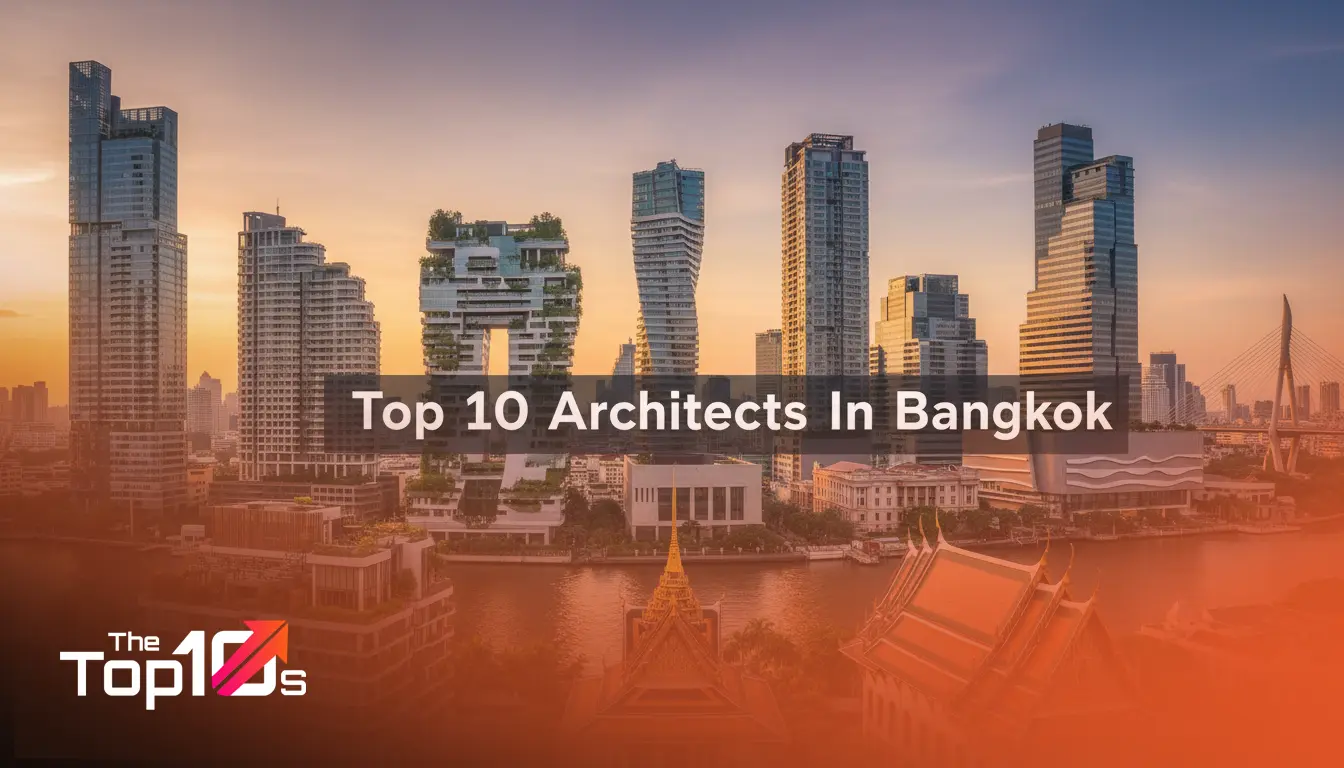
Bangkok is a city of beautiful contradictions. You have gleaming high-rises casting shadows over ancient temples, and hyper-modern malls sitting next to chaotic street markets. For anyone planning to build here, this energy is both an inspiration and a massive challenge. Finding a design professional who can navigate the unique constraints of this tropical metropolis—intense heat, unpredictable monsoons, and strict zoning laws—is not just about aesthetics. It’s about livability.
You might be wondering why a simple search isn’t enough. Here’s the reality: Thailand’s architectural scene has exploded in the last decade. There are hundreds of firms, ranging from large corporate entities to boutique studios run by visionary artists. Making the wrong choice can lead to a home that looks great on Instagram but feels like a greenhouse by noon, or a commercial project stalled by regulatory red tape.
We’ve cut through the noise to highlight professionals who are shaping the skyline and redefining tropical living. Whether you are looking for a sustainable luxury villa in Sukhumvit or a commercial renovation in Thong Lo, this guide breaks down the best architects in Bangkok who understand how to build for the future.
Quick Takeaways: hiring in Bangkok
- Climate is King: The best designs prioritize passive cooling and airflow to combat Thailand’s humidity.
- Zoning Matters: Bangkok’s “Soi” (alley) system has complex setback rules; you need a local expert.
- Diverse Styles: Options range from raw brutalist concrete to intricate bamboo structures.
- Timeline Reality: Good permitting takes time. Plan for 6–12 months before breaking ground.
How We Identified Leading Architects
Selecting the right partner for a build is a high-stakes decision. Our selection process moves beyond flashy renders and looks at the substance behind the portfolio. We analyzed the local market based on several critical factors to ensure reliability and design excellence.
First, we examined longevity and track record. Navigating Thailand’s construction industry requires experience. We looked for firms that have successfully delivered completed projects, not just conceptual drawings. We also considered stylistic versatility. Does the architect force a signature style, or do they adapt to the client’s needs and the site’s context?
Furthermore, we evaluated technical competence regarding local building codes and environmental adaptation. The professionals listed here demonstrate a deep understanding of tropical architecture—using materials that withstand the climate and designing layouts that maximize natural ventilation. Finally, we looked at community standing, checking for recognition from bodies like the Association of Siamese Architects (ASA) and their contributions to the broader conversation on urban design.
List of 10 Best Architects in Bangkok
| Name | Best For |
|---|---|
| Duangrit Bunnag (DBALP) | A bold, brutalist statement home or a boutique hotel that emphasizes tranquility. |
| VaSLab Architecture | Clients who want their property to be a piece of art. |
| Architectkidd | Existing shophouse or commercial building that needs a complete identity overhaul without tearing it down. |
| Openbox Architects | Homeowners who prioritize outdoor living. |
| Stu/D/O Architects | Developers or homeowners in dense areas of Sukhumvit or Sathorn who need privacy and ventilation without feeling enclosed in a fortress. |
| Vin Varavarn Architects | The eco-conscious investor who wants to build a property that respects the environment. |
| Department of ARCHITECTURE Co. | Hospitality projects (restaurants, hotels) where the interior ambiance is critical to business success. |
| Bangkok Project Studio | A home or cultural center that feels timeless and deeply rooted in Thai culture, yet entirely modern. |
| Jun Sekino | Urban dwellers with limited land who need to maximize every square inch without the house feeling claustrophobic. |
| Onion | Creative homeowners and boutique retail brands who want a space that is fun, unconventional, and tailored specifically to how they move and live. |
Top 10 Architects in Bangkok
These ten firms and individuals represent the pinnacle of design in Thailand’s capital right now. They vary in size and philosophy, but all share a commitment to quality execution.
1. Duangrit Bunnag (DBALP)
If you appreciate minimalism, Duangrit Bunnag is likely a name you already know. Leading Duangrit Bunnag Architect Limited (DBALP), he is arguably Thailand’s most prominent contemporary architect. His work is characterized by raw materiality—think exposed concrete, vast glass panes, and clean, sharp lines that frame nature rather than compete with it.
Why they stand out: DBALP doesn’t do clutter. Their projects, ranging from luxury resorts to high-end residences, strip away the non-essential. This approach creates spaces of profound calm amidst Bangkok’s chaos. They are best suited for clients who want a bold, brutalist statement home or a boutique hotel that emphasizes tranquility.
2. VaSLab Architecture
Walk past a VaSLab building, and you will stop to look. Principal architect Vasu Virajsilp is known for “Neo-Deconstructivism.” His buildings often look like they are in motion, featuring angular, leaning walls and complex geometries that defy traditional box-like structures.
Ideal for: Clients who want their property to be a piece of art. VaSLab excels in concrete sculpting and creating dynamic shadows. This firm is a strong match for commercial headquarters or luxury private residences where the owner wants the architecture itself to be the primary talking point.
3. Architectkidd
Led by Luke Yeung and Udomsak Komonvilas, Architectkidd is famous for its playful yet highly technical approach to facades and renovation. They often take older, unremarkable structures and wrap them in innovative screens or shells that modernize the building while providing crucial shade.
Core Strength: They are masters of renovation and material innovation. If you have an existing shophouse or commercial building that needs a complete identity overhaul without tearing it down, Architectkidd offers inventive solutions that merge engineering with design.
4. Openbox Architects
Founded by Nui Ratiwat Suwannatrai and Prang Suwannatrai, Openbox operates on the philosophy that architecture and landscape are one and the same. You rarely see where the building ends and the garden begins in their projects. They utilize massive cantilevered structures to create natural shade, turning the house itself into a shelter from the sun.
Who fits their style: Homeowners who prioritize outdoor living. Their designs are perfect for luxury tropical living where the swimming pool and garden are central to the daily routine, seamlessly connecting to the interior living spaces.
5. Stu/D/O Architects
This firm focuses heavily on the sensory experience of a building. Their name reflects their approach: sustainable, tropical, and urban. They treat light, wind, and sound as building materials just as important as brick or mortar. Their projects often feature clever stacking and layering to create privacy in dense urban environments.
Notable feature: Their ability to create “breathing” buildings. Stu/D/O is an excellent choice for developers or homeowners in dense areas of Sukhumvit or Sathorn who need privacy and ventilation without feeling enclosed in a fortress.
6. Vin Varavarn Architects
Vin Varavarn has gained international acclaim for his commitment to sustainability and social responsibility. While he designs stunning luxury homes, he is also known for designing earthquake-resistant schools and using local, low-cost materials in high-end ways. His work proves that luxury and eco-consciousness can coexist.
Best suited for: The eco-conscious investor. If your goal is to build a property that respects the environment, utilizes sustainable materials like bamboo or recycled timber, and minimizes carbon footprint without sacrificing elegance, Vin Varavarn is the go-to professional.
7. Department of ARCHITECTURE Co.
Don’t let the bureaucratic name fool you; this is one of the most creative studios in the city. Founded by Amata Luphaiboon and Twitee Vajrabhaya, they specialize in exploring new ways to use traditional Thai materials. They might take wicker or rattan and weave it into a massive, modern ceiling installation.
Design Philosophy: They bridge the gap between interior design and architecture. Their work is incredibly detailed and often atmospheric. They are a top pick for hospitality projects (restaurants, hotels) where the interior ambiance is critical to business success.
8. Bangkok Project Studio
Led by Boonserm Premthada, this studio is celebrated for its poetic use of brick and honest materials. Premthada’s work often feels spiritual and grounded. He focuses on the “atmosphere” of a place, using elephants, local artisans, and traditional brick-firing techniques to inform his modern designs.
Why choose them: If you want a home or cultural center that feels timeless and deeply rooted in Thai culture, yet entirely modern. His work eschews the high-tech glass look for something warmer, more tactile, and deeply human.
9. Jun Sekino
Jun Sekino brings a fresh perspective to tropical modernism. His designs are clean, functional, and often feature clever uses of steel and brick. He is particularly adept at managing small plots of land, turning cramped urban lots into spacious, airy homes through vertical design.
Target Audience: Urban dwellers with limited land. If you bought a small plot in a tight soi and need to maximize every square inch without the house feeling claustrophobic, Sekino’s spatial planning is exceptional.
10. Onion
Onion is unique because they approach architecture almost entirely from the user’s interior perspective. Their exteriors are often simple, but the interiors are playful, colorful, and experimental. They are known for custom furniture and creating “habitats” rather than just rooms.
Perfect for: Creative homeowners and boutique retail brands. If you want a space that is fun, unconventional, and tailored specifically to how you move and live, Onion offers a distinct departure from standard luxury beige.
What Defines a Great Architect in Bangkok?
Understanding the local context is what separates a good designer from a great one in this region. You might see similarities in how professionals tackle urban density across Asia, such as the strategies used by the top architects in Incheon, but Bangkok has its own specific flavor of challenges.
Mastery of the Elements
A great Bangkok architect fights the heat without relying solely on air conditioning. They understand “passive design”—using orientation, wind tunnels, and roof overhangs to keep a building cool naturally. If an architect doesn’t talk to you about sun direction (solar orientation) in the first meeting, that is a red flag.
Navigating Bureaucracy
Creativity means nothing if the building can’t get a permit. Bangkok’s building codes, particularly regarding setbacks from public roads and canals, are strict. The best professionals have a deep working knowledge of the Building Control Act. They know exactly how high you can build and how far back you must sit, ensuring your project doesn’t get stalled in legal limbo.
Future-Proofing
Looking ahead to 2026 and beyond, the definition of quality is shifting toward smart integration. Leading architects are now incorporating EV charging infrastructure, solar battery storage, and PM2.5 air filtration systems directly into the structural design. It isn’t just about shelter anymore; it’s about health and energy independence.
How to Choose the Right Architect for Your Needs
Narrowing down your list requires asking the hard questions. A portfolio might look beautiful, but you need to know how the firm operates.
1. Define Your Scope Early
Are you doing a renovation or a new build? Some firms, like Architectkidd, love the challenge of a renovation. Others, like DBALP, are better suited for ground-up construction. Don’t hire a commercial specialist to design a cozy family kitchen; their workflow and fee structure won’t align with your needs.
2. Ask About “Construction Administration”
Designing the house is half the battle. Building it is the war. Ask prospective architects how often they visit the site. You want a partner who will be there to check that the contractors are pouring the concrete correctly and following the specs. In Thailand, where contractor quality varies wildly, your architect is your quality control.
3. Understand the Fee Structure
Fees in Bangkok generally range from 5% to 10% of the construction cost, depending on the complexity and reputation of the firm. However, some charge a fixed fee per square meter. Be clear about what this covers. Does it include interior design? Landscape design? Structural engineering? Surprise costs are the fastest way to sour a relationship.
Frequently Asked Questions
How long does it take to design and build a house in Bangkok?
Patience is essential. The design and permitting phase usually takes 4 to 8 months. Construction for a standard luxury home takes another 12 to 18 months. If an architect promises a custom home in six months total, be very skeptical.
Do I need a local architect if I have plans from abroad?
Yes. Even if you have a design from a foreign architect, you legally need a Thai-licensed architect to sign off on the plans for submission to the local district office. Furthermore, a local architect needs to adapt those plans to Thai materials and climate realities.
What is the average construction cost for a luxury home in Bangkok?
As of late 2024, construction costs for high-end custom homes generally start around 25,000 THB per square meter and can easily exceed 45,000 THB per square meter for luxury finishes. This does not include the cost of the land or professional design fees.
Can architects help with land selection?
Many senior architects are happy to visit a potential site with you before you buy. They can spot issues you might miss, such as poor soil quality (requiring expensive piling) or zoning restrictions that would prevent you from building the height you want.
Is sustainable design more expensive?
Upfront, yes. Materials like double-glazed windows, solar panels, and insulated block walls cost more than standard materials. However, the reduction in electricity bills—often cutting cooling costs by 40%—makes the return on investment very attractive over 5 to 10 years.
Final Thoughts on Your Project
Building in Bangkok is an adventure. The city offers access to incredible craftsmanship and materials at costs that are often lower than in the West, but it demands respect for the environment and the process. The architects listed here are not just draftsmen; they are strategic partners who can guide you through the complexities of tropical construction.
Take your time reviewing their portfolios. Look for the projects that make you feel something, but also pay attention to the practical details. Arrange face-to-face meetings. The right architect is someone who listens to your vision and isn’t afraid to push back when that vision clashes with the reality of the Thai climate. Your future self—cool, comfortable, and stress-free in your new space—will thank you for the diligence.