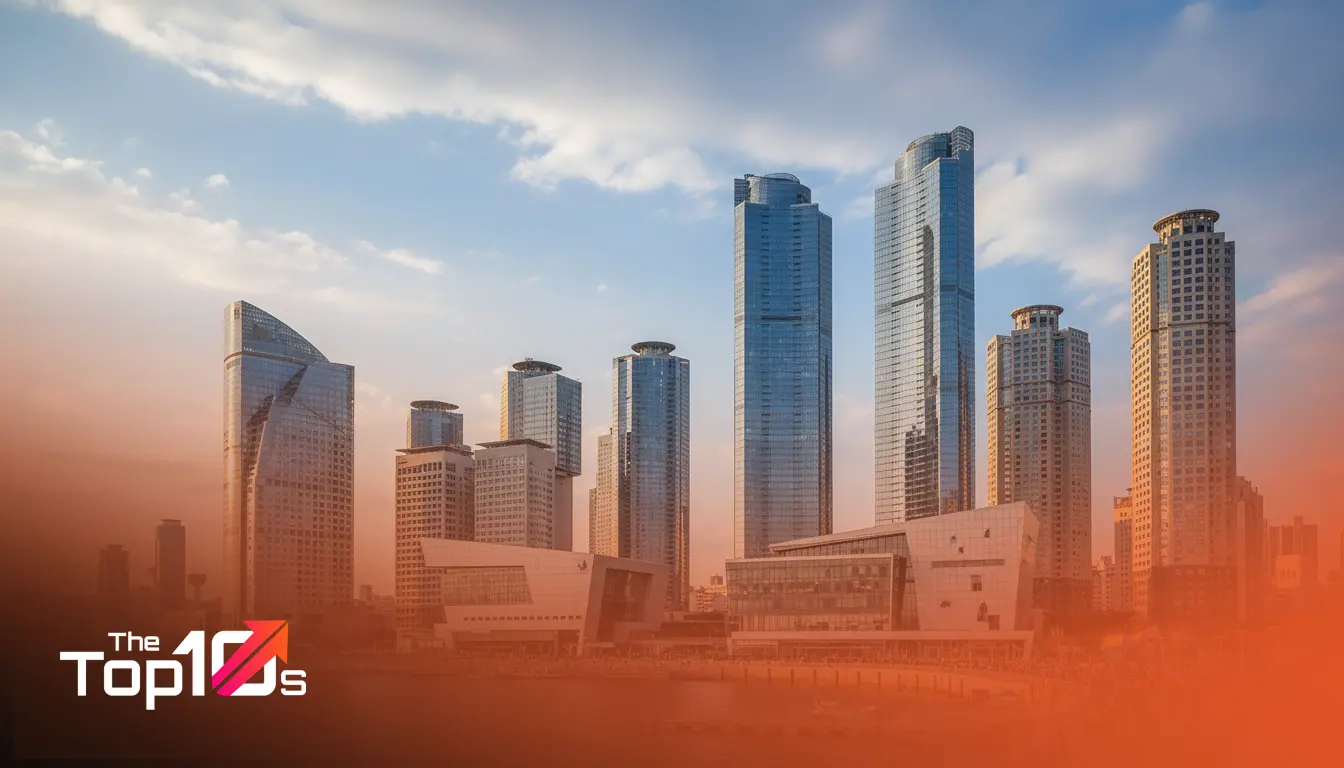
Building in Busan isn’t quite like building anywhere else. You have the ocean wind to contend with in Haeundae, the steep, winding topography of the old city districts, and strict zoning laws that can make your head spin. If you are standing on a plot of land or looking at a renovation project in Korea’s second-largest city, you might feel a mix of excitement and sheer overwhelm.
That is completely normal. The difference between a stressful money-pit and a landmark structure usually comes down to one decision: who designs it. Finding the right partner is about more than just aesthetic flair; it requires someone who understands the local soil, the light, and the bureaucratic maze of the Yeongnam region.
Whether you are planning a modern seaside villa, a commercial headquarters, or a multi-family housing unit, you need a professional who combines technical precision with creative vision. This guide breaks down trusted architects near Busan who have demonstrated they can turn complex constraints into stunning spaces.
Quick Takeaways: hiring in Busan
- Topography matters: Busan is hilly. Look for portfolios showing success with sloped sites.
- Local licensing: Ensure your architect is registered with KIRA (Korea Institute of Registered Architects).
- Style vs. Substance: The salt air in coastal zones requires specific material choices—ask candidates about durability.
- Communication: If you aren’t fluent in Korean, verify their team has bilingual capabilities or experience working with international clients.
How We Identified Leading Architects
Selecting a design partner is subjective, but evaluating professional capability isn’t. We didn’t just pick names out of a hat. To compile this list of experienced architectural professionals in Busan, we looked at a specific set of criteria that signals reliability and quality.
We analyzed public portfolios to see diversity in design—can they handle both the tight alleys of Gamcheon and the open expanses of Gijang? We looked for consistent activity within the region, indicating they have established relationships with local contractors and permit offices. Education and proper licensing were non-negotiable baselines. Finally, we considered their reputation within the design community, looking for firms that contribute to the city’s architectural identity rather than just churning out blueprints.
List of 10 Best Architects in Busan
| Name | Best For |
|---|---|
| K’Arts Architects | Generalist Excellence, Residential Projects, Energy Efficiency, Comfort |
| OCA (Office of Contemporary Architecture) | Statement Buildings, Modern Lines, Minimalism |
| Gaa Architects | Landscape Integration, Harmonizing Structures with Natural Backdrop, Suburban Projects in Gijang-gun |
| Urban Agency Architects | Urban Regeneration, Renovation Projects, Infill Housing, Developers or Homeowners |
| Design Group Ojang | Commercial and Hospitality, “Instagrammable” Spaces, Customer Flow, Visual Branding |
| The System Lab (Regional Projects) | Technology-Driven Design, Experimental Façades, New Construction Methods, Speeding Up Timelines |
| Hyunjoon Yoo Architects | Civic Responsibility, Educational and Public Cultural Projects, Community Centers, Corporate HQs, Large Family Compounds |
| Architect Keeo | Sensory Architecture, Light and Shadow, Residential Work, Serene and Meditative Spaces |
| Pusan National University Architecture Lab (Alumni Practices) | Innovation, Research-Backed Design, Sustainable Materials, Humid Seaside Summer, Passive Cooling Techniques |
| Studio HEON | First-Time Builders, Patient Communication Style, Demystifying the Construction Process |
Top 10 Architects In Busan
Here are ten firms and individuals who are shaping the skyline and neighborhoods of this coastal metropolis. Each brings a unique strength to the table, from eco-friendly practices to high-end commercial aesthetics.
1. K’Arts Architects (Generalist Excellence)
K’Arts has built a reputation for handling a wide variety of scales. Their work often bridges the gap between public utility and private comfort. In a city like Busan, where density is high, their ability to create privacy without sacrificing natural light stands out.
Why they made the list: They are known for rigorous site analysis. Before drawing a single line, they study the wind patterns and sun trajectory specific to the coastal climate. This makes them a strong candidate for residential projects where energy efficiency and comfort are priorities.
2. OCA (Office of Contemporary Architecture)
If you prefer sleek, modern lines and minimalism, OCA is a name that frequently comes up in design conversations. They tend to favor concrete and glass, creating structures that look like art galleries but function as homes or offices. Their approach often challenges traditional Korean residential layouts.
Best suited for: Clients looking for a “statement” building. If you want your property to stand out in a crowded neighborhood, their bold geometric forms usually do the trick.
3. Gaa Architects
Busan is famous for its mountains meeting the sea. Gaa Architects specializes in harmonizing structures with this natural backdrop. They often use natural materials like wood and stone to soften the visual impact of a building, allowing it to blend into the hillside rather than dominate it.
Notable strength: Landscape integration. They don’t just design the house; they design how the house sits in the garden. This holistic approach is perfect for suburban projects in areas like Gijang-gun.
4. Urban Agency Architects
Urban regeneration is a hot topic in Busan. Urban Agency focuses on breathing new life into older structures or fitting new builds into tight, established neighborhoods. They understand the “fabric” of the city intimately.
Who should call them: Developers or homeowners looking at renovation projects or infill housing. They navigate the complexities of building next to existing neighbors with diplomacy and smart design.
5. Design Group Ojang
Commercial spaces, particularly cafes and retail spots, are fiercely competitive in South Korea. Design Group Ojang excels at creating “Instagrammable” spaces that draw foot traffic while maintaining operational flow. They understand that a commercial building is a business tool.
Area of focus: Commercial and hospitality. If you are opening a flagship store or a boutique hotel, their understanding of customer flow and visual branding is invaluable.
6. The System Lab (Regional Projects)
While known nationally, their projects in the southern region demonstrate a high level of technical innovation. They are often associated with experimental façades and new construction methods that speed up timelines without cutting corners.
Key advantage: Technology-driven design. They utilize advanced 3D modeling early in the process, which helps clients visualize the end product accurately before breaking ground.
7. Hyunjoon Yoo Architects
Often recognized for educational and public cultural projects, this firm brings a level of civic responsibility to private work. Their philosophy revolves around how space affects human psychology and interaction. It’s architecture with a social conscience.
Best for: Community centers, corporate HQs, or large family compounds where the interaction between people is just as important as the walls surrounding them.
8. Architect Keeo
Specializing in what many call “sensory architecture,” Keeo focuses on light and shadow. Their buildings change character throughout the day as the sun moves. This dynamic quality makes their residential work feel alive and constantly changing.
Why consider them: If you are sensitive to atmosphere and mood. Their spaces are often described as serene and meditative, offering a quiet escape from the bustling city outside.
9. Pusan National University Architecture Lab (Alumni Practices)
Many top practitioners in the region hail from the local academic ecosystem. Firms led by professors or distinguished alumni often bridge academic theory with practical application. They are frequently at the forefront of researching sustainable materials suitable for the humid seaside summer.
Strength: Innovation and research-backed design. If you want a home that utilizes passive cooling techniques to lower electricity bills, look for firms with strong academic ties.
10. Studio HEON
A smaller, boutique practice that offers intense personal attention. Unlike large corporate firms where you might get passed to a junior associate, Studio HEON is known for hands-on principal involvement from sketch to ribbon cutting.
Perfect for: First-time builders who need hand-holding. Their patient communication style helps demystify the construction process for anxious clients.
What Defines a Great Architect in Busan?
You might be wondering why location matters so much. Can’t any good architect design a building anywhere? In theory, yes. In practice, Busan presents specific challenges that outsider firms often underestimate.
Mastering the Topography
Busan is famously not flat. A great architect here sees a 30-degree slope not as a problem, but as an opportunity for views and unique tiered designs. They know how to handle foundations on uneven granite bedrock, which can save you a fortune in excavation costs.
Combating the Elements
The salt air accelerates corrosion. The typhoon season brings heavy winds. Experienced local professionals know which exterior finishes will peel in two years and which will last for twenty. They specify marine-grade stainless steel and salt-resistant windows without you having to ask.
Navigating Local Regulations
Every district (gu) in Busan has its own interpretation of building codes. A seasoned architect has likely argued permits at the local office before. They know the unwritten preferences of the planning committees, smoothing the path for approval.
For those interested in seeing how these regional challenges compare to the nation’s capital, or if you are considering projects in the north, you can check out the top 10 architects in Seoul to see how density and design are handled differently there.
How to Choose the Right Architect for Your Needs
Finding a name is the easy part. Determining “fit” is where the work begins. Here is a framework to help you make that decision.
1. Review the Portfolio with a Critical Eye
Don’t just look at the pretty renders. Look for photos of completed buildings that are 3-5 years old. How are they aging? Do they have experience with the specific building type you need? A master of high-rise condos might struggle with a cozy single-family renovation.
2. Ask About the ” boring” Stuff
Creativity is great, but project management pays the bills. Ask potential hires:
- How do you handle budget overruns?
- What is your frequency of site visits during construction?
- How do you coordinate with mechanical and electrical engineers?
3. The “Beer Test”
You are going to be in a relationship with this person for 12 to 24 months. When things get stressful (and they will), can you communicate openly with them? If you feel intimidated or unheard during the initial consultation, walk away.
For more on professional standards and what to expect from a registered professional, resources like the Korea Institute of Registered Architects (KIRA) offer guidelines on standard contracts and ethical practices.
Frequently Asked Questions
How much do architects in Busan charge?
Fees vary widely based on reputation and project complexity. typically, you can expect design fees to range from 5% to 15% of the total construction cost. Some firms charge a fixed fee per pyeong (3.3 square meters), but percentage-based models are more common for custom work.
Do I need a local architect if I have a design I like?
Legally, you need a vigorous set of construction documents stamped by a licensed Korean architect to get a building permit. Even if you have a concept design from abroad, a local “architect of record” must review, adapt to local code, and take legal responsibility for the plans.
How long does the design process take?
For a typical single-family home in Busan, expect the design and permitting phase to take 3 to 6 months. Rushing this stage often leads to mistakes that are expensive to fix once concrete is poured.
Can architects help find a builder?
Absolutely. Most established firms have a shortlist of construction companies they trust. Using a builder recommended by your architect often leads to smoother communication, as they likely have an established working rhythm.
Next Steps for Your Project
Your vision for a space in Busan deserves more than a cookie-cutter approach. The architects listed above represent the top tier of design capability in the region, but the final choice rests on your specific needs and chemistry.
Start by narrowing your list to three firms. Reach out to schedule a consultation—many will offer a brief initial meeting at no cost to discuss feasibility. Prepare a clear brief that outlines your budget, your timeline, and your “must-haves.” The more clear you are, the better they can serve you.
Building something permanent is a journey. By choosing a partner who values craftsmanship and understands the unique pulse of Busan, you are investing in a property that will stand the test of time and trends. Check the Busan International Architectural Culture Festival website for current exhibitions to see whose work resonates with you personally before making that first call.