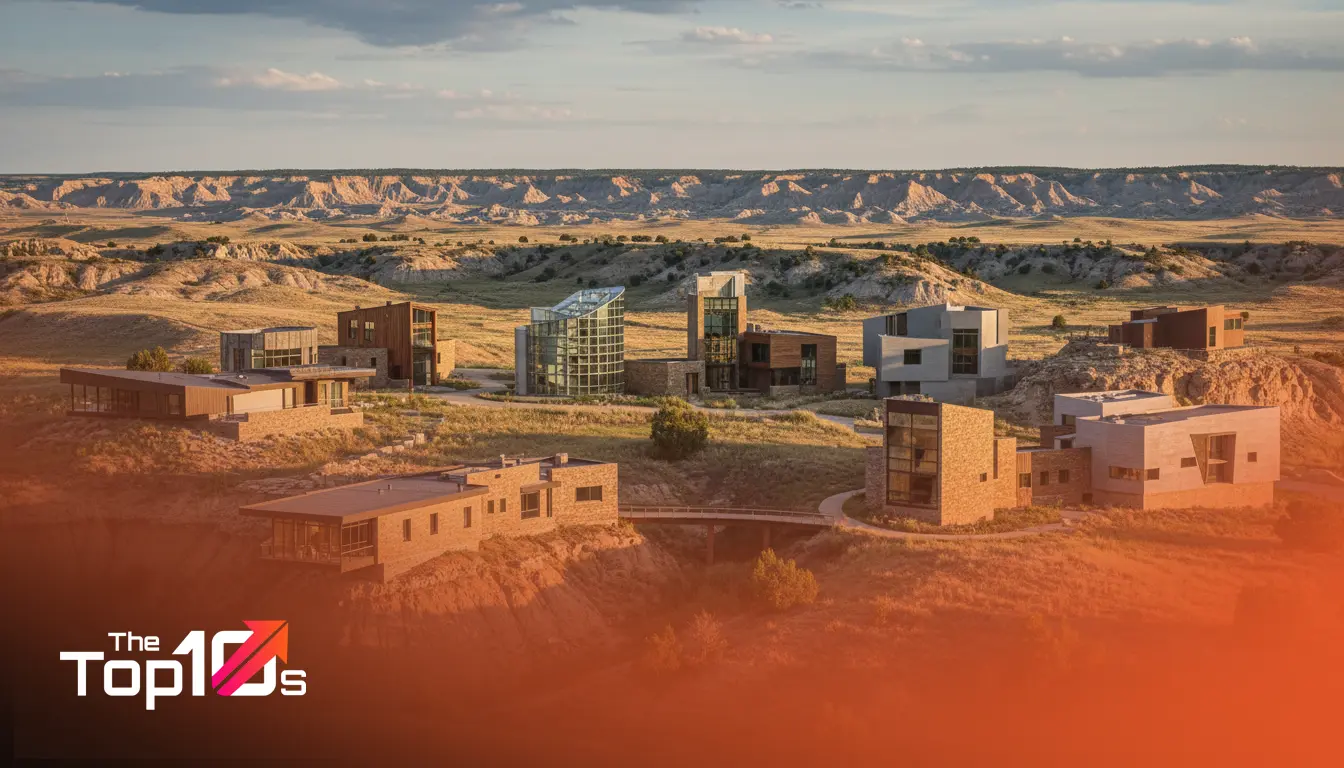
Choosing an architect in South Dakota is a decision that extends far beyond drafting blueprints; it’s an investment in functionality, aesthetics, and long-term value. Whether envisioning a custom home nestled in the Black Hills, a commercial development in bustling Sioux Falls, or a community-focused public building, the right professional is the critical link between an idea and a tangible, successful outcome. The state’s unique landscape, four-season climate, and distinct community needs demand an architect with more than just creative vision. Success hinges on their deep understanding of local building codes, their ability to coordinate complex projects, and their commitment to clear, consistent communication. An experienced architectural professional in South Dakota doesn’t just design a structure; they create a space that responds to its environment and serves its inhabitants for decades to come.
How We Identified Leading Architects
This guide was developed through a comprehensive analysis of publicly available information to identify some of the most respected architectural professionals in South Dakota. Our methodology is grounded in research signals that indicate experience, a strong professional reputation, and a history of impactful design. The selection process considered several key factors: the depth and breadth of an architect’s portfolio, their educational background and professional licensure, and publicly accessible client feedback. We also evaluated their affiliations with established architecture firms and their demonstrated familiarity with the state’s specific zoning laws, planning commissions, and environmental regulations. This list is a reflection of professionals who appear to hold a significant standing within the local design and construction community, based on an impartial review of their documented work and public presence.
Top 10 Architects in South Dakota
Steven C. Scruggs – Koch Hazard Architects
Associated with the well-established Sioux Falls firm Koch Hazard Architects, Steven Scruggs has a professional background deeply rooted in diverse and significant projects across the region. His experience spans several decades, contributing to a portfolio that includes complex educational facilities, prominent civic buildings, and sophisticated corporate environments. His work often reflects a deep understanding of how public and private spaces shape community interaction and productivity.
Scruggs’ specialization appears to lie in large-scale institutional and commercial architecture. His strengths are evident in his ability to manage multifaceted projects that require collaboration with numerous stakeholders, from university boards to city governments. The designs he contributes to often feature a clean, modern aesthetic balanced with enduring functionality and a focus on the user experience.
This architect is likely best suited for developers, educational institutions, and corporations embarking on major construction or renovation projects. Clients who require a seasoned professional capable of navigating the complexities of large-scale design, regulatory approval, and construction administration would find his experience invaluable.
Chase Kramer – Architecture Incorporated
As a principal at Architecture Incorporated, one of the larger firms in the state, Chase Kramer is part of a team known for its comprehensive approach to design. His professional journey reflects a commitment to a wide array of project types, showcasing adaptability and a broad skill set. Based in Sioux Falls, his work contributes to the architectural fabric of the state’s largest metropolitan area and beyond.
Kramer’s portfolio indicates a specialization in both commercial and K-12 educational design. A notable strength is the ability to create vibrant, functional, and secure learning environments that support modern pedagogical approaches. His commercial work often demonstrates a keen sense of brand identity and operational efficiency, translating business goals into physical space. He shows a proficiency in designing buildings that are both aesthetically pleasing and highly practical for their daily users.
School districts, business owners, and organizations looking to develop or expand their facilities would be an excellent match. Kramer’s expertise is particularly beneficial for clients who prioritize a collaborative design process and need a building that supports the specific activities and culture of their organization.
Jeff Hazard – Koch Hazard Architects
Jeff Hazard’s name is synonymous with transformative architecture in Sioux Falls and across South Dakota. With a career spanning many years at the helm of Koch Hazard Architects, his influence is seen in some of the region’s most iconic modern structures. His background is marked by a consistent focus on design excellence and a vision for how architecture can elevate a community’s identity.
While his work is diverse, Hazard has demonstrated a profound specialization in civic, cultural, and corporate headquarters projects. His signature strength is a bold design vision, creating buildings that are not just functional but also act as landmarks. His approach often involves innovative use of materials and a masterful handling of form and light, resulting in spaces that are both inspiring and contextually sensitive.
Clients with ambitious goals, such as municipalities seeking a landmark library, museums wanting to create an immersive visitor experience, or corporations looking for a statement headquarters, would find a strong partner in Hazard. He is best suited for those who view architecture as a powerful tool for expressing vision and identity.
Vaney Hariri – CO-OP Architecture
Vaney Hariri, a co-founder of CO-OP Architecture, represents a forward-thinking and highly collaborative approach to design. His professional philosophy is centered on the idea that great spaces emerge from a cooperative process involving clients, communities, and builders. The firm has offices in Sioux Falls, Rapid City, and Aberdeen, indicating a broad reach and understanding of different South Dakota contexts.
Hariri specializes in community-centric and commercial projects, including adaptive reuse and innovative new constructions. A significant strength is his firm’s focus on “cooperative” design, which emphasizes listening and translating a client’s vision into a buildable reality. His work often features a blend of pragmatism and creative flair, finding unique solutions for mixed-use developments, office spaces, and public gathering places.
This architect is an ideal choice for community organizations, non-profits, and developers who value a deeply engaged and iterative design process. Clients who want a partner to explore creative possibilities while staying grounded in budget and functional requirements will appreciate his approach.
Tom Hurlbert – CO-OP Architecture
As another key principal at CO-OP Architecture, Tom Hurlbert brings a complementary skill set focused on technical execution and project delivery. His background suggests a strong foundation in the practical aspects of bringing complex designs to life, ensuring that a creative vision is realized with precision and durability. His work is integral to the firm’s reputation for quality and innovation.
Hurlbert’s expertise seems to concentrate on the technical and management aspects of architecture, turning conceptual designs into detailed construction documents. His strength lies in project coordination, building science, and ensuring that every detail is considered for long-term performance and maintainability. This focus on the “how” of building is crucial for the success of any ambitious project.
He is particularly well-suited for clients who are undertaking technically challenging projects or those who place a high premium on durability, energy efficiency, and meticulous construction quality. Developers and organizations that need an architect with a firm grasp on the entire project lifecycle, from initial design to final punch list, would benefit from his expertise.
Matthew L. Kreil – JLG Architects
Associated with the Rapid City office of JLG Architects, a firm with a significant regional and national presence, Matthew Kreil brings the resources of a large practice to the unique context of western South Dakota. His experience is informed by the firm’s extensive portfolio and a collaborative, research-driven design process. This allows him to tackle projects of considerable scale and complexity.
Kreil’s work in the region often focuses on public, healthcare, and higher education facilities. A major strength derived from his firm’s structure is access to specialized expertise in areas like sustainable design (LEED certification) and advanced building information modeling (BIM). His designs are characterized by their efficiency, user-centric focus, and responsiveness to the surrounding environment of the Black Hills region.
Government agencies, healthcare systems, and universities in western South Dakota would find Kreil to be a strong candidate. His ability to leverage the knowledge of a large, multi-disciplinary firm makes him an excellent choice for clients with complex programmatic needs and a desire for state-of-the-art, high-performance buildings.
Robert E. Puetz – Architecture Incorporated
With a long and distinguished career at Architecture Incorporated, Robert Puetz is a veteran professional whose work has shaped communities across the state. His extensive experience provides a deep well of knowledge regarding South Dakota’s construction landscape, regulatory environment, and regional design traditions. His leadership has contributed to the firm’s enduring reputation for quality and client service.
Puetz has a well-rounded specialization across multiple sectors, including a significant focus on financial institutions and corporate office design. His primary strength is his proven ability to deliver projects that stand the test of time. His design philosophy appears to balance classic design principles with modern needs, creating professional environments that are dignified, efficient, and welcoming.
This architect is an excellent choice for established businesses, banks, and professional service firms seeking to design a new building or renovate an existing one. Clients who value a steady, experienced hand and a design that projects stability, professionalism, and long-term value will find his approach to be a perfect fit.
Patrick A. Costello – Costello Compliance & Architecture
Patrick Costello offers a unique and highly specialized skill set within the South Dakota architectural community. His practice focuses not only on design but also on the critical area of building codes, accessibility, and compliance. This dual focus provides immense value to clients navigating the increasingly complex web of regulations governing construction.
Costello specializes in accessibility (ADA) consulting, building code analysis, and forensic architecture, in addition to more traditional design services. His greatest strength is his deep expertise in the regulatory side of the building industry. He helps other architects, developers, and building owners ensure their projects are safe, accessible, and legally compliant, often preventing costly errors and delays.
While he can serve as a design architect, Costello is exceptionally suited for clients who need a consultant to review plans, assess existing buildings for compliance, or provide expert testimony. He is an invaluable resource for any project team looking to proactively address code and accessibility requirements from day one.
Roger D. O’Dea – Architecture Incorporated
As a senior figure at Architecture Incorporated, Roger O’Dea has a career marked by a commitment to design that serves the public good. His portfolio showcases a passion for creating spaces that enhance community life, from schools to government centers. His long tenure in the state has given him an intimate understanding of the values and priorities of South Dakota communities.
O’Dea’s specialization is particularly evident in the K-12 education and government sectors. He possesses a clear strength in facilitating community engagement and stakeholder input, ensuring that the final building reflects the consensus and aspirations of its users. His designs often prioritize durability, low maintenance, and a welcoming atmosphere, recognizing the long-term public ownership of these facilities.
School boards, city councils, and county commissions are the ideal clients for this architect. His experience in leading public projects and designing for the specific needs of students, educators, and civil servants makes him a trusted choice for creating functional and beloved community buildings.
Mark Aspaas – TSP, Inc.
Working with TSP, Inc., a multi-disciplinary firm with a history dating back to 1930, Mark Aspaas is part of a legacy of integrated design in the region. His role within a firm that combines architecture, engineering, and planning provides a holistic perspective on project development, ensuring seamless coordination between all aspects of a building’s design.
Aspaas’ experience contributes to a wide range of project types, with a notable focus on healthcare and wellness facilities. A key strength of his approach, facilitated by his firm’s structure, is integrated project delivery. This means clients benefit from having architects and engineers working side-by-side from the project’s inception, leading to more efficient, coordinated, and well-executed designs, particularly for technically demanding buildings like hospitals and clinics.
Healthcare providers, from regional hospitals to local clinics, would be a strong match. Clients who are undertaking technically complex projects that require tight integration between architectural design and building systems (like HVAC, electrical, and plumbing) will find the approach he represents to be highly effective and efficient.
What Defines a Great Architect in South Dakota?
A truly great architect in South Dakota does more than create visually appealing structures; they design buildings that are in dialogue with their unique environment. This means understanding the vast, open prairie and the rugged terrain of the Black Hills, and designing forms that complement, rather than compete with, the landscape. It involves a deep knowledge of building science to counter the state’s extreme climate—from blistering summer heat to severe winter cold and high winds. This impacts everything from window selection and insulation (the building envelope) to the orientation of the building on its site (site analysis).
Functionality, aesthetics, and sustainability form the core of exceptional design in the state. This translates to creating energy-efficient buildings that reduce long-term operating costs and specifying durable materials that can withstand the harsh weather cycles. Furthermore, client communication is paramount. The best architects are exceptional listeners, skilled at translating a client’s abstract needs and desires into a concrete, collaborative plan. They leverage technology like 3D modeling and virtual reality to help clients visualize the space long before construction begins, ensuring the final product aligns perfectly with the initial vision.
How to Choose the Right Architect for Your Needs
Selecting the right architect is a methodical process of aligning your project’s goals with a professional’s expertise and design philosophy. Begin by clearly defining the scope, budget, and desired outcomes for your project. This initial step will help you identify architects whose portfolios resonate with your vision.
When you meet with potential candidates, be prepared with a list of questions. Ask about their experience with projects of a similar size and type. Inquire about their design process and how they facilitate client collaboration. It’s crucial to evaluate not just their past work but also their communication style. Do they listen attentively and explain complex concepts clearly?
Understanding when to hire a specialist versus a generalist is also key. For a unique project like a historic renovation or a state-of-the-art medical facility, an architect with specialized expertise is invaluable. For a more standard custom home or commercial space, a firm with a broad and varied portfolio may be ideal. The process of finding the right professional requires diligence, but the principles of careful selection are universal. While the design challenges are specific to this region, the approach to hiring is similar to what one would use when searching for top 10 architects in South Carolina or any other state.
Finally, discuss project timelines, fee structures, and their experience with local planning and zoning departments. An architect with strong relationships and a deep understanding of municipal regulations in cities like Sioux Falls or Rapid City can prevent significant delays and complications, ensuring a smoother journey from conception to completion.
Frequently Asked Questions
What are typical architectural fees in South Dakota?
Architectural fees can vary significantly based on the project’s complexity, size, and the architect’s experience. Fees are often structured as a percentage of the total construction cost (typically ranging from 5% to 15%), a fixed fee, or an hourly rate. It is essential to discuss and agree upon the fee structure in a written contract before any design work begins.
How does South Dakota’s climate impact building design?
The state’s climate of hot summers and harsh, cold winters profoundly influences design. Architects must prioritize a high-performance building envelope, including superior insulation, air sealing, and high-quality windows to manage energy costs. Design considerations also include roof pitches to handle snow loads, durable exterior materials that resist wind and hail, and site orientation to maximize winter sun exposure and minimize summer heat gain.
Do I need an architect for a small home remodel?
While not always legally required for very minor projects, hiring an architect for a remodel can provide immense value. They can help reimagine a space for better flow and function, ensure changes are structurally sound, navigate building permit processes, and help you achieve a more cohesive and professional result than you might on your own.
What is the difference between an architect and a building designer or drafter?
A licensed architect has completed a rigorous program of education, gained extensive experience through an internship, and passed a comprehensive national exam. They are qualified to design a wide range of buildings and are legally responsible for the public’s health, safety, and welfare. Building designers or drafters may have technical drawing skills but typically do not have the same level of education, licensure, or legal accountability.
How important is it to choose an architect familiar with my specific city, like Sioux Falls or Rapid City?
It is extremely important. Every city has its own unique set of zoning ordinances, building codes, and permit approval processes. An architect with established experience in your specific locality will understand these nuances, potentially saving you significant time and money by avoiding common regulatory pitfalls and designing a project that is more likely to gain swift approval.
What should be included in a contract with an architect?
A thorough contract, such as a standard agreement from the American Institute of Architects (AIA), should clearly define the scope of work, including all phases of design from schematic to construction administration. It should also detail the fee structure and payment schedule, project timeline, responsibilities of both the client and architect, and procedures for handling changes or disputes.
Conclusion
Embarking on a building project in South Dakota is a significant undertaking, and your choice of an architect is the most critical decision you will make in the process. The right professional brings more than just a design to the table; they provide the expertise, foresight, and collaborative spirit necessary to navigate the journey from initial concept to finished structure. By carefully researching potential architects, evaluating their portfolios, and finding a partner whose vision and communication style align with your own, you lay the foundation for a successful project. A well-designed building is a legacy, and with the guidance of a skilled architect, it can be one that is beautiful, functional, and perfectly suited to the unique character of the Mount Rushmore State.