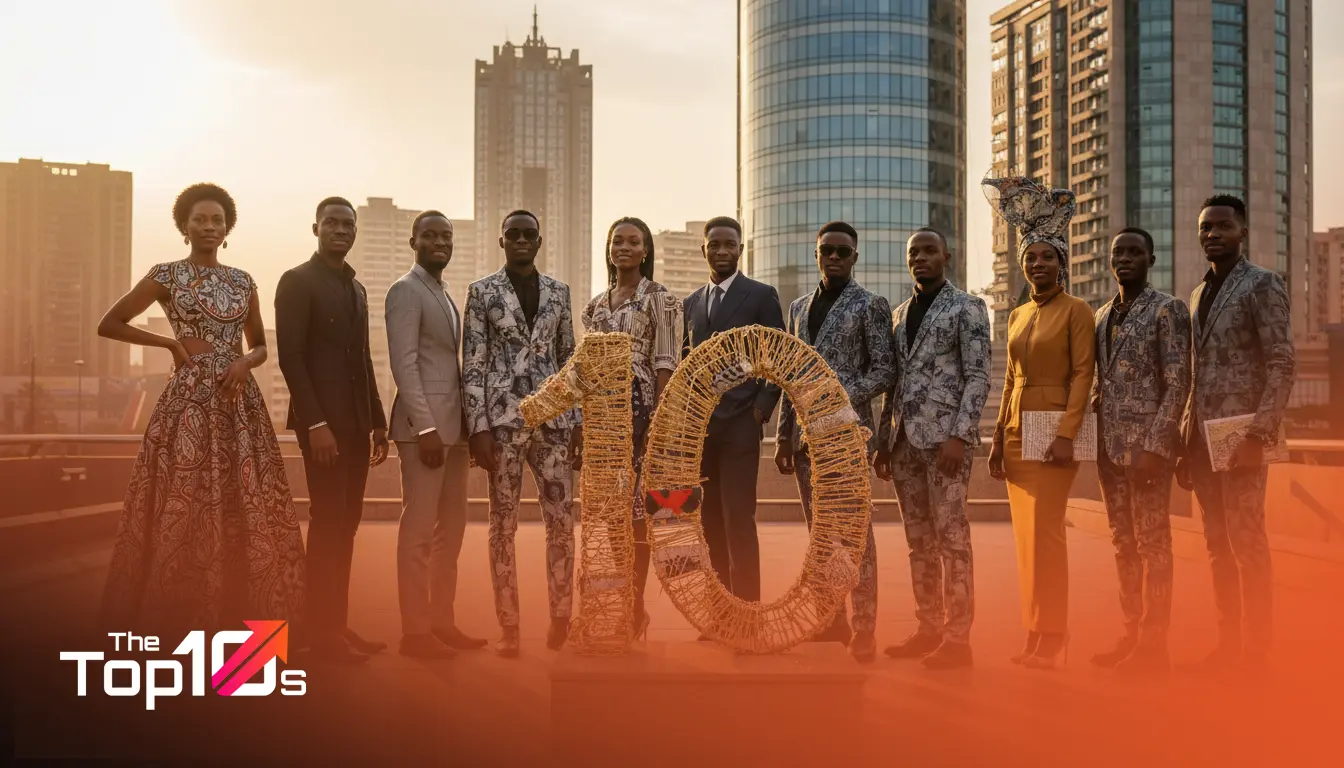
Walk down any street in Harare—from the bustling avenues of the CBD to the leafy lanes of Avondale—and you will notice something distinct about the way people dress. It is not just about covering up; it is a statement of identity. The capital of Zimbabwe has quietly transformed into a hub of sartorial innovation, blending traditional heritage with sharp, modern aesthetics.
finding the right person to bring your vision to life can feel overwhelming. You might be looking for a bespoke wedding gown, a sharp suit for the boardroom, or an avant-garde piece for a gala. The challenge isn’t a lack of talent; it’s filtering through the noise to find true craftsmanship. There is a massive difference between a someone who can sew and a true designer who understands anatomy, fabric movement, and color theory.
This isn’t just a list of names. We are looking at the creatives who are shaping the visual narrative of Zimbabwe right now. Whether you need high-end couture or ready-to-wear staples, understanding who leads the pack helps you make a smarter investment in your wardrobe.
Quick Takeaways: Harare Fashion Scene
- Versatility is Key: Many top designers here straddle the line between bespoke couture and ready-to-wear collections.
- Fabric Sourcing: The best creatives often source unique textiles from outside the country or repurpose vintage materials to combat local supply chain gaps.
- Lead Times Matter: unlike fast fashion, these ateliers require weeks, sometimes months, for complex commissions.
- Consultation First: Leading designers will insist on a consultation to align their aesthetic with your body type before cutting a single thread.
How We Identified Leading Fashion Designers
Compiling a list of the best fashion designers in Harare requires more than just scrolling through Instagram feeds. Social media metrics can be deceiving. To curate a selection that genuinely reflects quality and professionalism, we analyzed specific criteria that separate hobbyists from industry leaders.
First, we looked at consistency. The designers listed here have demonstrated the ability to deliver collections or bespoke pieces repeatedly over years, not just one-off viral hits. Longevity in Zimbabwe’s sometimes volatile economic climate is a testament to business acumen and client loyalty.
We also evaluated construction quality. A beautiful sketch means nothing if the hem falls apart or the lining bunches up. We sought out feedback regarding durability, fit, and finish. Finally, we considered design identity. Does the designer have a recognizable signature? The names below don’t just copy global trends; they interpret them through a distinctly Zimbabwean lens.
List of 10 Best Fashion Designers in Harare
| SNO | Name | Best For |
|---|---|---|
| 1 | Tapfumanei Munenge | Clients who want to be the center of attention and appreciate theatrical, complex designs. |
| 2 | Ishmael Tsakatsa | The sophisticated woman looking for elegance without overt exposure. |
| 3 | Joyce Chimanye | Everyday wear that carries a distinct African identity. |
| 4 | Danayi Madondo | The eco-conscious consumer who values comfort and artistic expression. |
| 5 | Tafadzwa Moyo | Men who want to move beyond the standard grey suit into something with edge and personality. |
| 6 | Ric Chasian | Those looking for casual, trendy pieces that stand out at a concert or social event. |
| 7 | Nompumelelo Samambgwa | Curvy women seeking tailored fits that celebrate rather than hide their shape. |
| 8 | Fungai Mukome | The professional woman who wants her wardrobe to command respect. |
| 9 | Znzorzi Adby | Grooms and executives needing a flawless fit. |
| 10 | Sohmni | The modern minimalist who believes less is more. |
Top 10 Fashion Designers in Harare
Here are the creatives currently setting the standard for style, craftsmanship, and innovation in the capital.
1. Tapfumanei Munenge (Tapfumanei Munenge Couture)
If you are looking for high-octane glamour, Tapfumanei Munenge is likely the first name that comes up in conversation. He has carved out a niche for himself as the go-to designer for red carpet events and high-profile weddings. His aesthetic is unapologetically bold, often utilizing sequins, velvet, and dramatic silhouettes that command attention.
Specialization: Haute Couture, Red Carpet Wear, Bridal
Best For: Clients who want to be the center of attention and appreciate theatrical, complex designs.
2. Ishmael Tsakatsa (Zargue’sia)
Ishmael Tsakatsa runs Zargue’sia, a brand synonymous with regal elegance. His work often feels like a modern interpretation of Victorian romanticism blended with African royalty. You will often see exaggerated sleeves, rich textures, and a color palette that leans towards creams, golds, and earth tones. He made history by being one of the first Zimbabwean designers to showcase at Paris Fashion Week.
Specialization: Christian Luxury, Avant-Garde, Bespoke Formal Wear
Best For: The sophisticated woman looking for elegance without overt exposure.
3. Joyce Chimanye (Zuvva)
A true veteran of the industry, Joyce Chimanye has been influencing fashion designers in Harare for decades. Her brand, Zuvva, is celebrated for its masterful use of print and its ability to modernize traditional attire. She doesn’t just design clothes; she teaches and mentors the next generation. Her pieces are wearable, vibrant, and deeply rooted in cultural pride.
Specialization: Afro-chic, Ready-to-wear, Accessories
Best For: Everyday wear that carries a distinct African identity.
4. Danayi Madondo (Haus of Stone)
Danayi brings a narrative approach to fashion that is rare. Her label, Haus of Stone, focuses on storytelling and sustainability. The designs are often fluid, ethereal, and inclusive of different body types. She champions “slow fashion,” focusing on garments that are meant to be cherished for years rather than discarded after a season. Her use of linen and cotton blends makes her pieces ideal for the Harare climate.
Specialization: Sustainable Fashion, Conceptual Ready-to-wear
Best For: The eco-conscious consumer who values comfort and artistic expression.
5. Tafadzwa Moyo (Kidd Hunta)
While many designers focus heavily on womenswear, Tafadzwa Moyo puts men squarely in the spotlight. Kidd Hunta represents the gritty, urban spirit of Harare. His designs often draw inspiration from the “hunta” (hunter) spirit—ambitious and resilient. Expect sharp tailoring mixed with street-style elements, leather accents, and bold hardware.
Specialization: Menswear, Urban Luxury, Streetwear
Best For: Men who want to move beyond the standard grey suit into something with edge and personality.
6. Ric Chasian (Ric Chasers)
Ric Chasian has built a cult following among the youth and the young-at-heart. His brand captures the pulse of pop culture, blending international streetwear trends with local flair. It is common to see his pieces on local musicians and influencers. The fit is usually relaxed, sporty, and incredibly photogenic.
Specialization: Streetwear, Athleisure, Graphic Apparel
Best For: Those looking for casual, trendy pieces that stand out at a concert or social event.
7. Nompumelelo Samambgwa (Noe Es)
Inclusivity is the driving force behind Noe Es. Nompumelelo has challenged local industry norms by creating designs that celebrate curves. Her work is structured yet feminine, often featuring peplums, bold prints, and cuts that accentuate the hourglass figure. She proves that high fashion is not exclusive to sample sizes.
Specialization: Plus-size Fashion, Corporate Wear, Smart Casual
Best For: Curvy women seeking tailored fits that celebrate rather than hide their shape.
8. Fungai Mukome (Fungai M)
Fungai Mukome creates structured, architectural pieces that exude power. Her background in design is evident in how she manipulates fabric to create sharp lines and interesting shapes. She is particularly skilled at creating power suits and structured dresses that work well in corporate settings but transition easily to evening cocktails.
Specialization: Corporate Chic, Structured Evening Wear
Best For: The professional woman who wants her wardrobe to command respect.
9. Znzorzi Adby (Zonzorzi)
Known for his meticulous attention to detail, Znzorzi brings a bespoke tailoring experience that rivals Savile Row but with an African twist. His suits are impeccable. He understands the male physique incredibly well, using Italian wools and fine linens to create garments that drape perfectly. It is understated luxury at its finest.
Specialization: Bespoke Suiting, Menswear
Best For: Grooms and executives needing a flawless fit.
10. Sohmni (The Sohmni Brand)
Rounding out our list is The Sohmni Brand, which has gained traction for its minimalist yet striking aesthetic. The focus here is on clean lines and monochromatic palettes, occasionally broken up by a splash of bold color. It is modern, fresh, and appeals to a demographic that prefers “quiet luxury” over loud logos.
Specialization: Minimalist Womenswear, Contemporary Bridal
Best For: The modern minimalist who believes less is more.
What Defines a Great Fashion Designer in Harare?
Understanding the local context is crucial when evaluating talent. A designer in New York faces different challenges than one in Harare, and the “greats” here are those who master their environment.
Mastery of Resources
You might be surprised to learn that sourcing high-quality consistent fabric is a major hurdle in Zimbabwe. A top-tier designer doesn’t just complain about this; they innovate. They might import their own textiles, dye their own fabrics, or upcycle materials. The ability to produce a luxury finish despite supply chain constraints is a hallmark of talent here.
The Client-Designer Relationship
In Harare, fashion is personal. The best designers act almost as consultants. They don’t just take measurements; they ask about the event, the venue, and how you want to feel. They understand the cultural nuances of a roora (traditional wedding) squad versus a corporate awards dinner. If a designer isn’t asking you questions, they probably aren’t building a garment meant for you.
Pattern Making vs. Freehand Cutting
Many local tailors cut “freehand” based on experience. However, the designers listed above generally use professional pattern-making techniques. This ensures that if you order a dress today and another one in six months, the fit consistency remains high. This technical discipline is what separates a designer from a seamstress.
How to Choose the Right Fashion Designer for Your Needs
Selecting a name from a list is easy; picking the right partner for your project requires a bit more thought. Here is a practical framework to help you decide.
1. Define Your Aesthetic First
Do not go to a streetwear specialist like Ric Chasers asking for a lace ballgown. While they might be able to physically sew it, their creative eye is trained differently. Look at their past three collections. If their style resonates with your vision, you are on the right track.
2. Assess the Timeline
Good things take time. If a designer promises a complex bespoke suit in 24 hours, be skeptical. Quality interfacing, lining, and hand-stitching require time. Be honest about your deadline. If you have a wedding in two weeks, you might need a designer who specializes in ready-to-wear modifications rather than scratch-building.
3. Discuss Budget Openly
There is a misconception that local means cheap. The designers on this list are running businesses with overheads, staff, and imported material costs. Ask for a consultation fee and a rough estimate upfront. It saves everyone time and avoids awkward conversations later.
4. Check the “Guts” of the Garment
When you visit a studio, ask to see a finished sample. Turn it inside out. Are the seams straight? is the lining attached properly? Does the zipper lie flat? The inside of the garment should look almost as neat as the outside. This is the true test of quality.
Frequently Asked Questions
How much does a bespoke dress cost in Harare?
Pricing varies wildly based on fabric and complexity. A simple custom dress might start from USD $60-$100, while intricate wedding gowns from top-tier designers like Tapfumanei Munenge or Zargue’sia can range from USD $800 to several thousand dollars.
Do I need to bring my own fabric?
It depends on the designer. Some operate as “cut and make” services where you provide the material. However, most high-end designers prefer to source the fabric themselves to ensure it behaves correctly for the design they have created. Always clarify this during the consultation.
How long in advance should I book a wedding designer?
For bridal wear, you should start the process at least 4 to 6 months in advance. This allows time for fabric sourcing, multiple fittings, and stress-free adjustments.
Can these designers ship internationally?
Yes, many of the designers listed, such as Haus of Stone and Zuvva, have experience shipping to the diaspora in the UK, USA, and South Africa. You will need to provide accurate measurements, and they often facilitate virtual consultations.
What is the difference between a tailor and a fashion designer?
A tailor focuses primarily on the construction and alteration of garments, often replicating an existing picture you bring them. A fashion designer creates an original concept, advises on styling, fabric suitability, and creates the patterns from scratch to suit your specific body architecture.
Next Steps for Your Wardrobe
Elevating your style is an investment in yourself. The fashion designers in Harare are producing work that rivals international standards, provided you choose the right creative partner.
Don’t just admire their work from a distance. Start by following their social media pages to see their latest work in motion. Reach out to set up a consultation, even if you don’t have an immediate event. Building a relationship with a designer now means that when the big occasion arrives, they already understand your style and body shape. The perfect garment is waiting—you just need to take the first step to commission it.