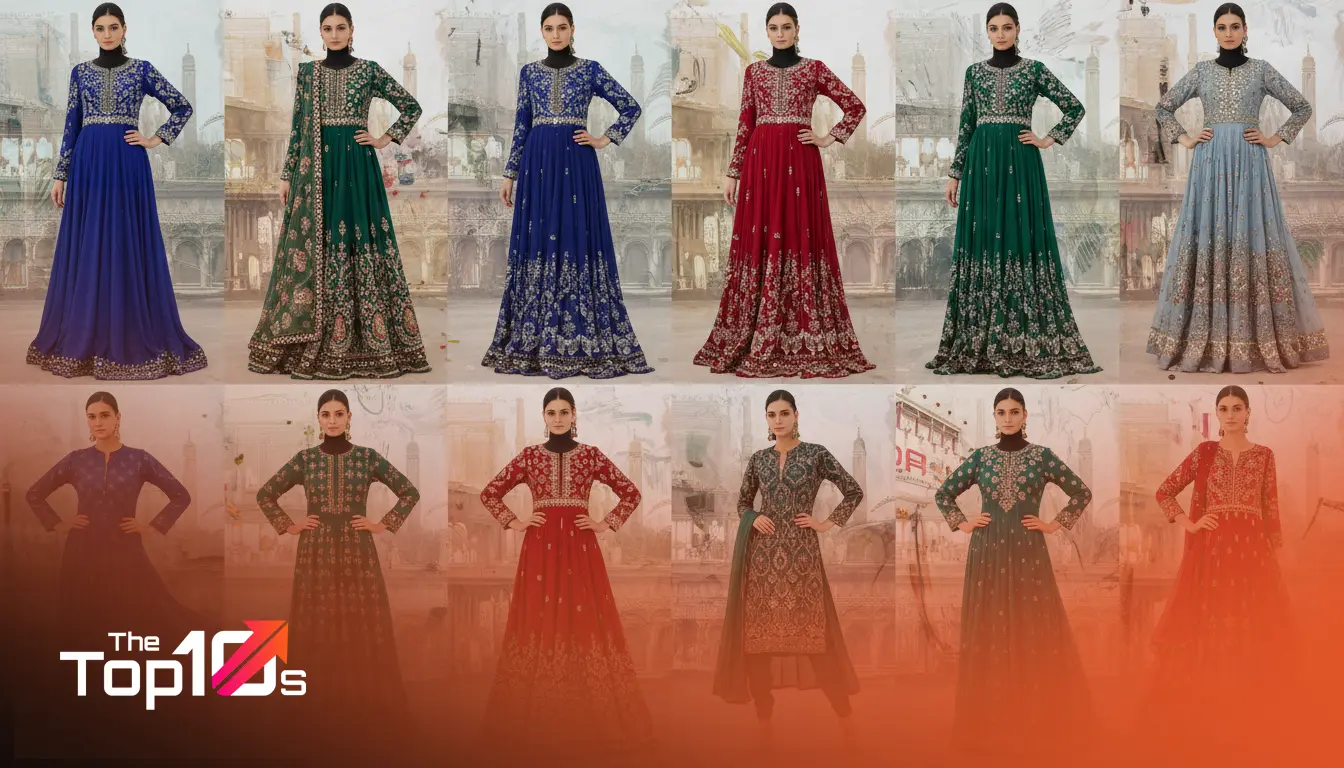
Karachi isn’t just the economic hub of Pakistan; it is the beating heart of the country’s fashion industry. If you walk down the streets of Clifton or Defense, or browse the bustling racks at Dolmen Mall, you quickly realize that style here is serious business. It is a city where traditional craftsmanship meets avant-garde sensibilities, creating a distinct aesthetic that is recognized globally.
Finding the right creative mind to translate your vision into fabric can be overwhelming. The sheer volume of talent in this city is staggering. You have legends who have defined the industry for decades working just blocks away from emerging prodigies disrupting the scene with sustainable practices and digital-first collections. Whether you are hunting for a bridal look that defines a generation or a sharp, bespoke suit for a corporate gala, the designer you choose acts as the architect of your personal brand.
This guide cuts through the noise. We aren’t just looking at who has the most Instagram followers. We are examining consistency, fabric knowledge, cut precision, and the ability to deliver luxury that lasts. If you want to understand who truly shapes the sartorial currents of this coastal metropolis, you are in the right place.
Quick Takeaways
- Bridal vs. Prêt: Most Karachi designers specialize. Know if you need haute couture (custom sizing) or luxury prêt (ready-to-wear).
- Timeline Matters: Top-tier bridal appointments often require 3-6 months lead time.
- The “Karachi Look”: Generally edgier and more contemporary compared to the traditional heavyweights of Lahore.
- Consultation Fees: Many senior designers charge for the initial consultation, which is often adjustable against the final order.
How We Identified Leading Fashion Designers
Selecting the elite from a pool of immense talent requires a structured approach. We didn’t simply look at popularity contests. Instead, our research focused on the tangible elements that contribute to a designer’s longevity and reputation in the market. We analyzed public feedback regarding garment durability and fitting accuracy, which are often the first things to suffer when a brand expands too quickly.
We also looked at their runway presence at major events like Fashion Pakistan Week and their consistency in delivering seasonal collections. A key factor was the diversity of their portfolio—can they handle the delicate intricacies of a bridal lengha as well as the structured tailoring of a western blazer? Finally, we considered their accessibility. A great designer must balance exclusivity with a customer service experience that makes the client feel heard, not intimidated.
List of 10 Best Fashion Designers in Karachi
| SNO | Name | Best for |
|---|---|---|
| 1 | Maheen Khan | The woman who values elegance over excess. |
| 2 | Deepak Perwani | Grooms who want to stand out just as much as the bride, and women looking for bridal wear that feels contemporary and spirited. |
| 3 | Sana Safinaz | The fashion-forward elite. If you want a brand that signals status and high-octane glamour immediately, Sana Safinaz is the go-to house. |
| 4 | Nomi Ansari | The bride who wants to be the life of the party. His clothes are vibrant, photogenic, and designed for celebration. |
| 5 | Shehla Chatoor | The sophisticated woman who isn’t afraid of a little drama and sensuality in her wardrobe. Excellent for engagement parties and reception dinners. |
| 6 | Sania Maskatiya | The modern working woman and socialite who needs versatility. Her clothes transition seamlessly from a high-tea to an evening soiree. |
| 7 | Rizwan Beyg | The art collector. Buying a Rizwan Beyg piece is like investing in a piece of cultural history. |
| 8 | Zainab Chottani | The traditional bride who dreams of the “royal” look. If you want to feel like a princess on your big day, Chottani delivers that exact fantasy. |
| 9 | Amir Adnan | Men seeking authority and tradition in their attire. It is the gold standard for groomswear in Karachi. |
| 10 | Wardha Saleem | The youthful spirit who loves culture but wants to wear it lightly and brightly. Perfect for pre-wedding festivities. |
Top 10 Fashion Designers in Karachi
Here are the creative forces currently defining the aesthetic of Karachi.
1. Maheen Khan (The Matriarch of Pakistani Fashion)
Specialization: Minimalist Couture & Luxury Prêt
You cannot discuss Karachi’s fashion history without starting here. Maheen Khan is widely regarded as the authority on Pakistani fashion. Her philosophy is deceptively simple: embroidery should never overpower the silhouette. While many designers rely on heavy embellishments to mask structural weaknesses, Khan’s work is architectural. She is the creative brain behind the iconic “Gulabo” label, which brought truck art inspiration to mainstream high street fashion.
Her strength lies in her mastery of chiffon and silk georgette. She understands how fabric drapes on the South Asian body type better than almost anyone. With over 40 years of experience, she has dressed royalty and film icons alike. Her designs are timeless, often bypassing fleeting trends in favor of cuts that remain relevant for decades.
Who this is for: The woman who values elegance over excess. If you want a perfectly draped sari or a tunic that speaks through its cut rather than its glitter, Maheen Khan is the ultimate choice.
2. Deepak Perwani
Specialization: Menswear & Edgy Bridal Wear
Deepak Perwani changed the conversation regarding menswear in Pakistan. Before him, men’s festive wear was largely restricted to generic kurtas. Perwani introduced structure, experimentation with color, and a fusion aesthetic that resonated with the modern Karachi man. Over the years, his bridal wear for women has garnered equal acclaim for its modern, slightly rebellious vibe.
Operating from his studio in Karachi, his work often features block printing and screen printing techniques merged with heavy zardozi work. He is known for taking risks. You might see a Victorian-inspired collar on a traditional sherwani or a bohemian twist to a bridal gown. His brand represents the cosmopolitan spirit of Karachi—bold, loud, and unapologetic.
Who this is for: Grooms who want to stand out just as much as the bride, and women looking for bridal wear that feels contemporary and spirited.
3. Sana Safinaz
Specialization: Luxury Lawn & High-End Bridal
Sana Hashwani and Safinaz Muneer operate what is arguably the most commercially successful fashion house in the country. They revolutionized the concept of “Lawn” (lightweight cotton fabric), turning it from daily home wear into a luxury status symbol. However, their couture studio is where their artistry truly shines.
Their aesthetic is unmistakably glamorous. Think sleek silhouettes, intricate pearl embellishments, and a color palette that often favors pastels and ivories alongside dramatic blacks and reds. They have mastered the fusion of Eastern tradition with Western cuts, often incorporating capes, jackets, and asymmetrical hemlines into traditional attire.
Who this is for: The fashion-forward elite. If you want a brand that signals status and high-octane glamour immediately, Sana Safinaz is the go-to house.
4. Nomi Ansari
Specialization: Color Theory & Festive Wear
If Karachi had a color palette, Nomi Ansari would be holding the brush. He is known as the “King of Color” for a reason. While many designers play it safe with golds and reds, Ansari mixes turquoise, acid green, magenta, and coral in ways that shouldn’t work but look absolutely stunning. His studio is famous for producing garments that are technically flawless; the finishing on a Nomi Ansari piece is often cited as the industry benchmark.
He specializes in heavy bridal wear that feels joyful. His lehengas are voluminous, often featuring thousands of Swarovski crystals and intricate thread work. Despite the heaviness of the embellishment, his construction techniques ensure the garment remains wearable and balanced.
Who this is for: The bride who wants to be the life of the party. His clothes are vibrant, photogenic, and designed for celebration.
5. Shehla Chatoor
Specialization: Bridal Couture & Fusion Trouseau
Shehla Chatoor designs for the ultra-luxury market. Her signature is unmistakable: exotic, vintage-inspired aesthetics often drawing from Renaissance art and old-world craftsmanship. She is particularly famous for her accessories and shoes, which she designs to complement her outfits, offering a complete look.
Her work involves painstaking detail, often utilizing Gara embroidery and intricate mukesh work. What sets her apart is the “wed-luxury” vibe—these are clothes that could easily be worn on a red carpet in Cannes or a wedding in Karachi. Her outfits often feature sultry cuts, off-shoulder necklines, and structured bustiers, pushing the boundaries of traditional modest wear.
Who this is for: The sophisticated woman who isn’t afraid of a little drama and sensuality in her wardrobe. Excellent for engagement parties and reception dinners.
6. Sania Maskatiya
Specialization: Pure Fabric & Digital Print Innovation
Sania Maskatiya brings a refined, almost ethereal quality to Karachi’s fashion scene. She is one of the few Pakistani designers to have showcased at New York Fashion Week, a testament to her global appeal. Her brand is built on the foundation of in-house textile design. They don’t just buy fabric; they create the prints.
Her cuts are sharp and streamlined. You won’t find unnecessary volume in a Maskatiya outfit. Instead, you find tailored pants, structured tunics, and saris that feature whimsical motifs—birds, trees, and geometric patterns. She has successfully bridged the gap between wearable luxury and high fashion.
Who this is for: The modern working woman and socialite who needs versatility. Her clothes transition seamlessly from a high-tea to an evening soiree.
7. Rizwan Beyg
Specialization: Heirloom Couture & Revivalist Craft
Rizwan Beyg is an institution. A former architect, he approaches fashion with a structural eye. However, his true passion lies in rural development and craft revival. He works closely with artisans in rural Pakistan to bring centuries-old embroidery techniques to the high-fashion runway. He was arguably the first to introduce the “couture” concept to Pakistan.
His work is organic and earthy, yet incredibly sophisticated. He famously designed for Princess Diana, which cemented his international standing. Beyg doesn’t chase trends. He creates heirloom pieces meant to be passed down from mother to daughter.
Who this is for: The art collector. Buying a Rizwan Beyg piece is like investing in a piece of cultural history.
8. Zainab Chottani
Specialization: Bridal Magnificence
Zainab Chottani has become a household name in Karachi, particularly for weddings. She started as a bridal wear specialist and has maintained that focus even as she expanded into prêt. Her strength is “Bling”—but done right. She excels at silver wire work and heavy crystal embellishments that glitter under banquet lights.
She creates fairy-tale moments. Her silhouettes are traditional—think massive, flowing skirts and long kurtas—but the ornamentation is incredibly dense. She creates the kind of outfits that people talk about for weeks after the wedding.
Who this is for: The traditional bride who dreams of the “royal” look. If you want to feel like a princess on your big day, Chottani delivers that exact fantasy.
9. Amir Adnan
Specialization: Men’s Formal Wear & Sherwanis
Amir Adnan is credited with re-introducing the Sherwani to the modern Pakistani man. Before his intervention, western suits were the default for formal events. Adnan made the Sherwani cool, masculine, and powerful again. His design philosophy centers on heritage.
He uses rich, textured fabrics like jamawar and hand-woven silks. The cuts are forgiving yet structured, designed to make the wearer look broad-shouldered and regal. While he designs for women too, his flagship offering remains his menswear line, which caters to grooms and fathers of the bride alike.
Who this is for: Men seeking authority and tradition in their attire. It is the gold standard for groomswear in Karachi.
10. Wardha Saleem
Specialization: Folk Fusion & Vibrant Prints
Wardha Saleem brings the vibrancy of the Sindh region directly to the runway. Her work is a love letter to the folk heritage of the Indus Valley. She is celebrated for her use of neon accents, block prints, and ralli (patchwork) techniques integrated into luxury fashion.
Despite the strong cultural roots, her cuts are young and fun. She plays with cropped jackets, dhoti shalwars, and playful skirts. She is also a favorite for “Mehndi” (henna night) functions, where color and comfort are paramount.
Who this is for: The youthful spirit who loves culture but wants to wear it lightly and brightly. Perfect for pre-wedding festivities.
What Defines a Great Fashion Designer in Karachi?
Karachi operates on a different frequency than other cities. The humidity near the sea, the cosmopolitan social calendar, and the influence of international travel all shape what makes a designer “great” here. It isn’t just about making beautiful clothes; it is about context.
A top-tier designer in this city understands fabric breathability. They know that a velvet bridal jora might look regal, but in an outdoor Karachi wedding in October, it can be uncomfortable. Therefore, you see a mastery of lighter silks, nets, and chiffons that offer volume without the heat trap.
Furthermore, great design here is a conversation between heritage and modernity. While Karachi dominates South Asian trends, it’s fascinating to see how neighboring regions evolve. For instance, looking at the top 10 fashion designers in Tajikistan reveals shared heritage in embroidery but vastly different silhouettes. Karachi designers excel at taking those shared Central and South Asian embroidery techniques—like Zardozi or Suzani—and applying them to cuts that fit a modern, urban lifestyle.
How to Choose the Right Fashion Designer for Your Needs
Making a choice from the list above can still be difficult. Here is a practical framework to help you decide who deserves your business.
Assess Your Timeline
This is the biggest hurdle. If your event is two months away, crossing names like Sana Safinaz (for bridal) or Shehla Chatoor off your list might be necessary, as their production cycle is longer. Always ask for the “delivery date” before falling in love with a sample.
Define Your “Vibe”
Be honest about your personal style. If you are naturally minimalist, Nomi Ansari’s explosion of color might feel like a costume rather than an outfit. Look at your daily wardrobe. Do you prefer structure or flow? Monochromes or patterns? Choose a designer whose portfolio mirrors your natural preferences.
The Budget Conversation
Karachi fashion has a wide price bracket. A heavy bridal outfit can range from 300,000 PKR to over 3,000,000 PKR. Have a hard ceiling for your budget. Don’t be afraid to ask, “What can you create within this specific amount?” Experienced designers can often suggest modifications—like reducing the density of embroidery on the back of the shirt—to bring a design within reach.
The Trial Experience
For custom wear, the trial is crucial. Ask about their alteration policy. A great designer continues to work with you until the fit is perfect. Avoid designers who have a reputation for being rigid or unavailable once the deposit is paid.
Frequently Asked Questions
Do these designers offer international shipping?
Yes, almost all the designers listed above have robust systems for international clients, particularly serving the diaspora in the UK, USA, and Dubai. They usually conduct consultations via video call and use standardized measurement charts or guide you through measuring yourself.
What is the difference between “Couture” and “Luxury Prêt”?
Luxury Prêt (Ready-to-Wear) consists of standard sizes (S, M, L) produced in limited quantities. You buy it off the rack with minor alterations. Couture is made-to-measure, meaning the garment is cut specifically for your body measurements, often with unique customizations in color or design.
Can I customize a design I see on their Instagram?
Generally, yes. Most top designers allow you to change the color, sleeve length, or neckline of a bridal or formal outfit. However, completely changing the embroidery pattern usually incurs a “custom design fee” or might be refused if it deviates too much from their brand aesthetic.
Do I need an appointment to visit their studios?
For bridal and couture consultations, an appointment is mandatory. For ready-to-wear collections, most of these designers have retail outlets in malls like Dolmen City or standalone flagship stores in Bukhari/E-Street areas where walk-ins are welcome.
Are these designers sustainable?
Sustainability is a growing conversation. Designers like Maheen Khan and Rizwan Beyg are champions of ethical craft and longevity. However, the heavy use of synthetic materials in mass-market fashion is still an issue. If this is important to you, look for designers who emphasize hand-loomed fabrics and fair trade practices with artisans.
Conclusion
Choosing a fashion designer in Karachi is about more than just buying clothes; it is about investing in a vision of yourself. Whether you lean towards the architectural minimalism of Maheen Khan, the vibrant energy of Nomi Ansari, or the regal tradition of Rizwan Beyg, the talent in this city is capable of bringing any sartorial dream to life.
Don’t rush the process. Visit the studios, feel the fabrics, and have conversations with the teams. The right designer will not just sell you a dress; they will collaborate with you to create something that makes you feel confident and authentic. The Karachi fashion scene is diverse and welcoming—step in and find the style that speaks to you.