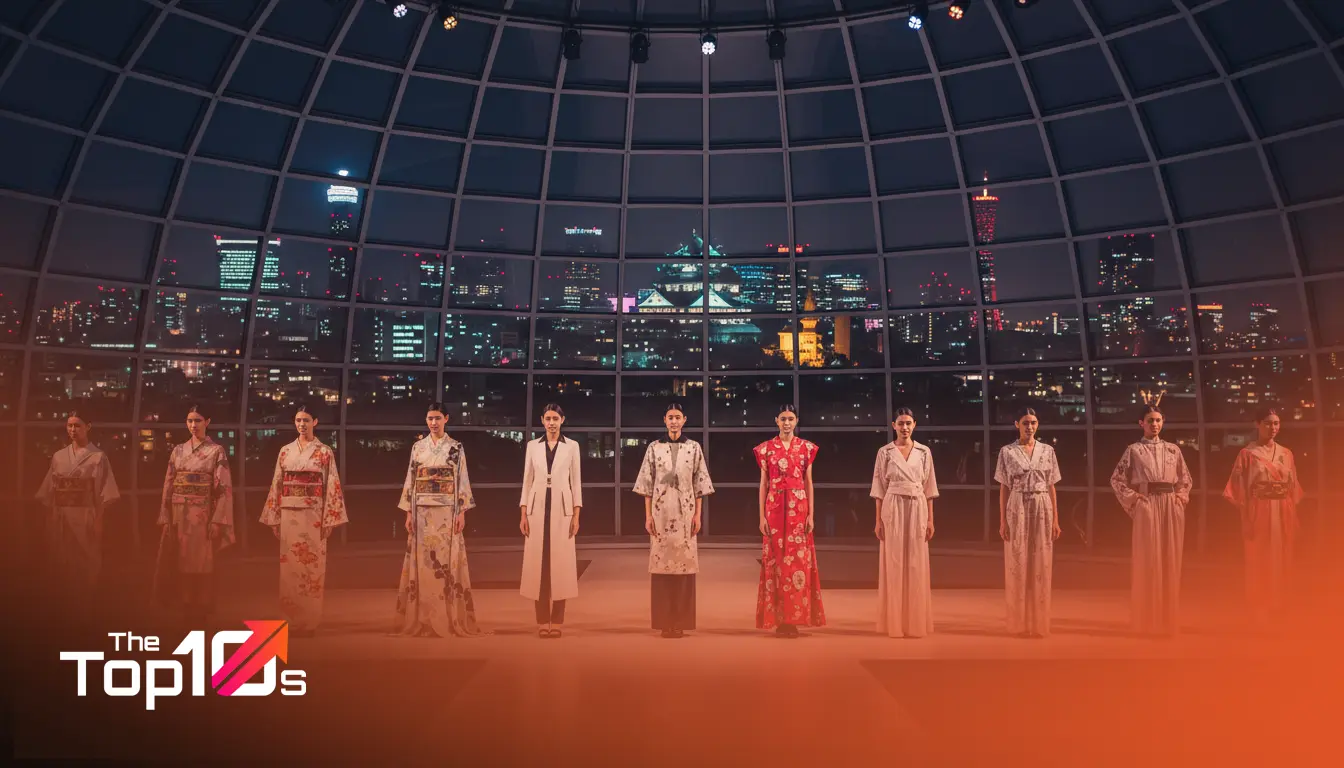
Most people think of Tokyo when they imagine Japanese fashion, but overlooking Nagoya is a massive mistake. Sitting right in the heart of Aichi Prefecture—Japan’s manufacturing powerhouse—Nagoya offers something distinct. It is a city where deep-rooted textile history collides with a unique, often lavish local aesthetic known as “Nagoya-jo.”
You aren’t just looking for someone who can sketch a dress or tailor a suit. You are likely searching for a creative partner who understands the specific interplay of high-quality fabrics—often sourced from the nearby Bishū region—and functional, elegant design. Whether you are a brand owner looking for production oversight, a bride seeking the legendary “Nagoya wedding” grandeur, or an individual wanting bespoke streetwear, the talent pool here is surprisingly deep.
Finding the best fashion designers in Nagoya requires digging past the flashy department stores of Sakae. It means finding the artisans in the Osu shopping district and the ateliers hidden in residential wards. This guide cuts through the noise to highlight the creative professionals shaping the region’s style.
Quick Takeaways
- Textile Advantage: Nagoya designers often have direct access to the Bishū wool region, offering superior fabric quality.
- Distinct Style: The “Nagoya aesthetic” tends to favor conservative elegance and high-end branding over Tokyo’s chaotic street trends.
- Craftsmanship Focus: Many local designers specialize in traditional techniques like Arimatsu Shibori (tie-dye) modernized for contemporary wear.
- Cost Variation: Custom work in Nagoya can range from affordable upcycling in Osu to premium couture rivaling Ginza prices.
How We Identified Leading Fashion Designers
Selecting the top creative talent in a specific region like Nagoya isn’t about looking at who has the most Instagram followers. Our methodology focuses on the tangible elements of garment creation and professional reputation. We looked for experienced fashion design professionals in Nagoya who have demonstrated consistency over time.
First, we analyzed the designer’s connection to local manufacturing. Aichi is a hub for textiles, and the most effective designers are those who leverage these local resources to create better products. We also looked at their ability to translate concepts into wearable reality. It is one thing to draw a sketch; it is another to understand pattern grading, fabric draping, and construction.
We also considered the “Nagoya factor.” Does the designer understand the local client? The market here values longevity and quality over fast fashion trends. We reviewed public feedback, atelier longevity, and the distinctiveness of their portfolios. The professionals listed below represent a mix of avant-garde creators, traditionalists, and modern ready-to-wear experts.
List of 10 Best Fashion Designers in Nagoya
| SNO | Name | Best For |
|---|---|---|
| 1 | Hiroyuki Murase (Suzusan) | Modern Arimatsu Shibori, Luxury Leisurewear |
| 2 | Toshikazu Iwaya (Iwaya For Dress) | Glamour, Avant-Garde, Stage Costume |
| 3 | Osu DeCo | Upcycling, Kimono Remake, Vintage Fusion |
| 4 | Masako Okamoto | Boutique Couture, Feminine Elegance |
| 5 | Yuma Koshino (Regional Influence) | Textile-First Design, Ready-to-Wear |
| 6 | Koji Toyoda | Bespoke Menswear, Tailoring |
| 7 | Berry Button | Children’s Wear, Natural Materials |
| 8 | Shoko Kawaida | Bridal, Evening Wear |
| 9 | Arimatsu Narumi Tie-Dyeing Center | Traditional Accessories, Interior Fashion |
| 10 | Ryosuke Ishii | Streetwear, Graphic Design Integration |
Top 10 Fashion Designers in Nagoya
Here are the creatives setting the standard in the Chubu region. These individuals and studio heads bring unique perspectives to apparel, ranging from heritage reinventions to modern couture.
1. Hiroyuki Murase (Suzusan)
Specialization: Modern Arimatsu Shibori, Luxury Leisurewear
If you want to understand Nagoya’s contribution to global fashion, you start with Hiroyuki Murase. As the creative director of Suzusan, he has taken the centuries-old Arimatsu Shibori (tie-dye) technique native to Nagoya and transformed it into high-fashion luxury. He grew up in the artisan village of Arimatsu and bridges the gap between traditional craft and European high fashion.
His strength lies in applying complex textures to modern silhouettes like cashmere sweaters and lighting fixtures. Murase doesn’t just design clothes; he designs fabrics that breathe history. He is the ideal choice for clients who value heritage techniques applied to contemporary, minimalist aesthetics.
2. Toshikazu Iwaya (Iwaya For Dress)
Specialization: Glamour, Avant-Garde, Stage Costume
A native of neighboring Mie but heavily influential in the Nagoya fashion sphere, Toshikazu Iwaya brings a rock-star energy to design. Known for his label “Dress33” and later work, his aesthetic often aligns with the flashy, expressive side of Nagoya culture. He isn’t afraid of color, gold, or bold prints.
Iwaya’s experience is vast, having worked on major collections that challenge the norm. He is particularly strong in creating statement pieces that command attention, making him a favorite for performers or individuals who view fashion as a form of loud self-expression rather than quiet blending in.
3. The Creative Team at Osu DeCo
Specialization: Upcycling, Kimono Remake, Vintage Fusion
In the bustling Osu Shopping District, fashion is less about corporate labels and more about individual expression. The designers behind Osu DeCo and similar local remake studios specialize in “Kimono Remake.” They take antique kimonos—plentiful in this historic city—and reconstruct them into aloha shirts, dresses, and modern jackets.
These designers possess a unique skill set: they must understand the construction of traditional Japanese garments to deconstruct them without ruining the silk. They are best suited for eco-conscious clients who want a one-of-a-kind garment that carries a story within its threads.
4. Masako Okamoto
Specialization: Boutique Couture, Feminine Elegance
Representing the classic “Nagoya Jo” aesthetic, Masako Okamoto has spent years catering to the city’s affluent female demographic who prefer sophistication over shock value. Her work often features clean lines, high-quality wools (sourced locally), and impeccable tailoring that fits the petite Asian frame perfectly.
Her strength is in listening to the client. Unlike ego-driven designers who force a vision, Okamoto is known for collaborative refinement. She is an excellent option for women seeking timeless wardrobe staples or semi-formal wear that commands respect in professional settings.
5. Yuma Koshino (Regional Influence)
Specialization: Textile-First Design, Ready-to-Wear
While coming from a legendary fashion family with national reach, Koshino has maintained strong ties to the Chubu region’s manufacturing base. Her design philosophy often starts with the thread itself. She works closely with Bishū weavers to develop custom jacquards and knits before a single pattern is cut.
This approach results in garments where the fabric is the hero. Her designs are often fluid, comfortable, and rich in texture. She represents the bridge between Tokyo’s high fashion pace and Nagoya’s manufacturing soul. This style appeals to buyers who appreciate tactile luxury.
6. Koji Toyoda (Independent Atelier)
Specialization: Bespoke Menswear, Tailoring
Nagoya has a strong business culture, and looking sharp is a requirement. Koji Toyoda represents the new wave of bespoke tailors in the city who are moving away from stiff, “salaryman” suits toward Italian-influenced soft tailoring. Operating small ateliers, designers like Toyoda focus on the “drop” and the silhouette.
With 15+ years of experience handling fabrics, he understands how humidity affects wool—a crucial factor in Japan’s climate. He is the go-to professional for men who find off-the-rack suits ill-fitting and want a garment constructed specifically for their posture and lifestyle.
7. Creative Lead at Berry Button
Specialization: Children’s Wear, Natural Materials
Nagoya has a thriving market for high-end children’s clothing. The creative minds behind local brands like Berry Button focus on organic cottons and linen blends that are gentle on skin but stylish enough for family portraits. This isn’t just about shrinking adult clothes; it’s about designing for movement.
These designers excel at durability. They understand that a garment must survive the playground while looking good enough for a grandmother’s approval. This niche is perfect for parents who reject fast-fashion plastics for their kids.
8. Shoko Kawaida
Specialization: Bridal, Evening Wear
You cannot talk about Nagoya without talking about weddings. The region is famous for spending significantly more on nuptials than the national average. Designers like Shoko Kawaida specialize in the “Oironaoshi” culture—the practice of changing dresses multiple times during a reception.
Her expertise lies in volume and structure. She knows how to build a dress that looks massive and regal but is light enough for the bride to walk in. If you are planning a wedding that leans towards the dramatic and fairytale-esque, her atelier creates the necessary impact.
9. The Makers at Arimatsu Narumi Tie-Dyeing Center
Specialization: Traditional Accessories, Interior Fashion
While not a single “designer” in the western sense, the master craftsmen and women here function as a collective design house. They are constantly innovating new patterns of Shibori for scarves, haori jackets, and modern apparel accents. They represent the collective expertise of the region.
Working with these artisans allows for customization that isn’t possible elsewhere. They are best suited for brands or individuals looking to incorporate authentic Japanese heritage into modern product lines without it looking like a souvenir.
10. Ryosuke Ishii
Specialization: Streetwear, Graphic Design Integration
Representing the younger generation hanging around Sakae’s skate parks and boutiques, Ishii creates clothing that reflects the urban grit of the city. His work often involves heavy weight cottons, oversized silhouettes, and screen-printing techniques done by hand.
Unlike the polished look of the older generation, his design language is raw and utilitarian. He is the right connection for younger clients or brands trying to tap into the street culture that bubbles underneath Nagoya’s conservative surface.
What Defines a Great Fashion Designer in Nagoya?
The fashion ecosystem here is fundamentally different from Osaka or Tokyo. A great designer in Nagoya balances two opposing forces: the region’s love for conservative, branded luxury and its deep respect for manufacturing integrity.
The “Monozukuri” Connection
In Nagoya, “Monozukuri” (the art of making things) is a religion. A designer here cannot just be a dreamer; they must be a maker. The best professionals have an intimate relationship with the Bishū wool industry located just north of the city. They understand thread counts, weave density, and finishing processes. If a designer cannot explain why they chose a specific fabric, they likely won’t last long in this market.
Understanding the “Nagoya-Maki” Legacy
While styles evolve, the legacy of the “Nagoya-jo” (Nagoya Lady) remains. This demographic controls the purse strings of the local luxury market. A top-tier designer understands that clothing here serves a social function. It signals status, propriety, and elegance. The design must be functional enough for driving (Nagoya is a car city) but stylish enough for a high tea in the station district.
Client Communication
The Midwest of Japan is known for being somewhat guarded but incredibly loyal once trust is established. Great designers here don’t just transact; they build relationships. They take the time to understand the client’s family background, profession, and social calendar before suggesting a single garment.
How to Choose the Right Fashion Designer for Your Needs
Finding trusted fashion designers near Nagoya involves more than a Google search. Whether you are commissioning a custom piece or looking for a brand consultant, use this framework to make your decision.
1. Assess Their Fabric Knowledge
Since this is a textile hub, ask potential designers where they source their materials. A designer who vaguely says “overseas” might be missing out on the world-class wools available right next door in Ichinomiya. A designer who lights up when talking about local jacquards or Shibori techniques is likely deeply embedded in the quality ecosystem.
2. Review the “Inside” Work
Flip the garment inside out. In a city of manufacturers, construction is everything. Check the lining, the seams, and the finishing. Nagoya fashion is rarely “disposable.” If the interior construction looks sloppy, the designer doesn’t share the local values of durability and quality.
3. Match the Aesthetic to the Location
Are you looking for something to wear in the flashy Nishiki entertainment district, or something for a tea ceremony? Nagoya has distinct “zones.” Ensure your designer understands the context. A streetwear specialist from Osu might not be the right fit for a formal event suit intended for a Toyota board meeting.
This regional nuance is critical. For example, if you were looking for designers in other port cities, the vibe changes completely. You can see how the aesthetic shifts by comparing this list to the top 10 fashion designers in Yokohama, where the style is heavily influenced by Western maritime history.
4. Discuss Timelines Clearly
Many Nagoya designers operate small, artisan-focused studios. They are not factories. Custom bridal wear or intricate Shibori dyeing takes time—often months. Be wary of anyone promising instant turnaround on bespoke items; it usually means they are outsourcing the work to a fast-fashion facility rather than doing it themselves.
Frequently Asked Questions
How much does a custom dress or suit cost in Nagoya?
Prices vary wildly based on the textile. A custom suit using standard wool might start at roughly 80,000 JPY, but if you opt for high-grade Bishū wool or intricate silk linings, expect to pay upwards of 200,000 JPY. Custom bridal wear generally starts around 300,000 JPY and goes up significantly depending on embroidery.
Can Nagoya designers work with existing kimono fabrics?
Yes, this is a local specialty. Many designers, particularly in the Osu area and older residential districts, specialize in “remake” services. They can turn a grandmother’s obi into a clutch or a kimono into a modern cocktail dress. Always bring the garment to the consultation so they can inspect the silk’s condition.
Is Nagoya fashion different from Tokyo fashion?
Generally, yes. Tokyo (Harajuku/Shibuya) is often about experimentation, subculture, and speed. Nagoya fashion tends to be more polished, brand-conscious, and conservative. It is often described as “elegant” rather than “edgy,” though the younger generation in Osu is breaking these rules.
Do I need to speak Japanese to work with these designers?
For independent ateliers and older craftsmen, Japanese is usually necessary. However, designers who have studied abroad (like those with London or Paris experience) or those running modern brands like Suzusan often have English-speaking staff. It is always best to email in advance to check.
What is the “Bishū” region mentioned often?
Bishū is the area around Ichinomiya city, just north of Nagoya. It is one of the world’s premier wool production centers, supplying fabrics to top luxury brands in Europe (like Chanel and Dior). Nagoya designers have a unique advantage because they can source these fabrics locally without the markup of middlemen.
Next Steps for Your Fashion Journey
Nagoya offers a fashion landscape that is rich in history and obsessed with quality. The designers here may not always scream the loudest on social media, but they produce work that stands the test of time. By choosing a local professional, you aren’t just buying clothes; you are tapping into a supply chain of artisans, weavers, and dyers that has existed for generations.
Take your time reviewing portfolios. Visit the Osu district to see the indie creators, and book appointments with the ateliers in Sakae. Look for the creators who respect the fabric as much as the silhouette. When you find a designer who balances that famous Nagoya elegance with genuine “Monozukuri” spirit, you will have found a partner who can elevate your personal style for years to come.