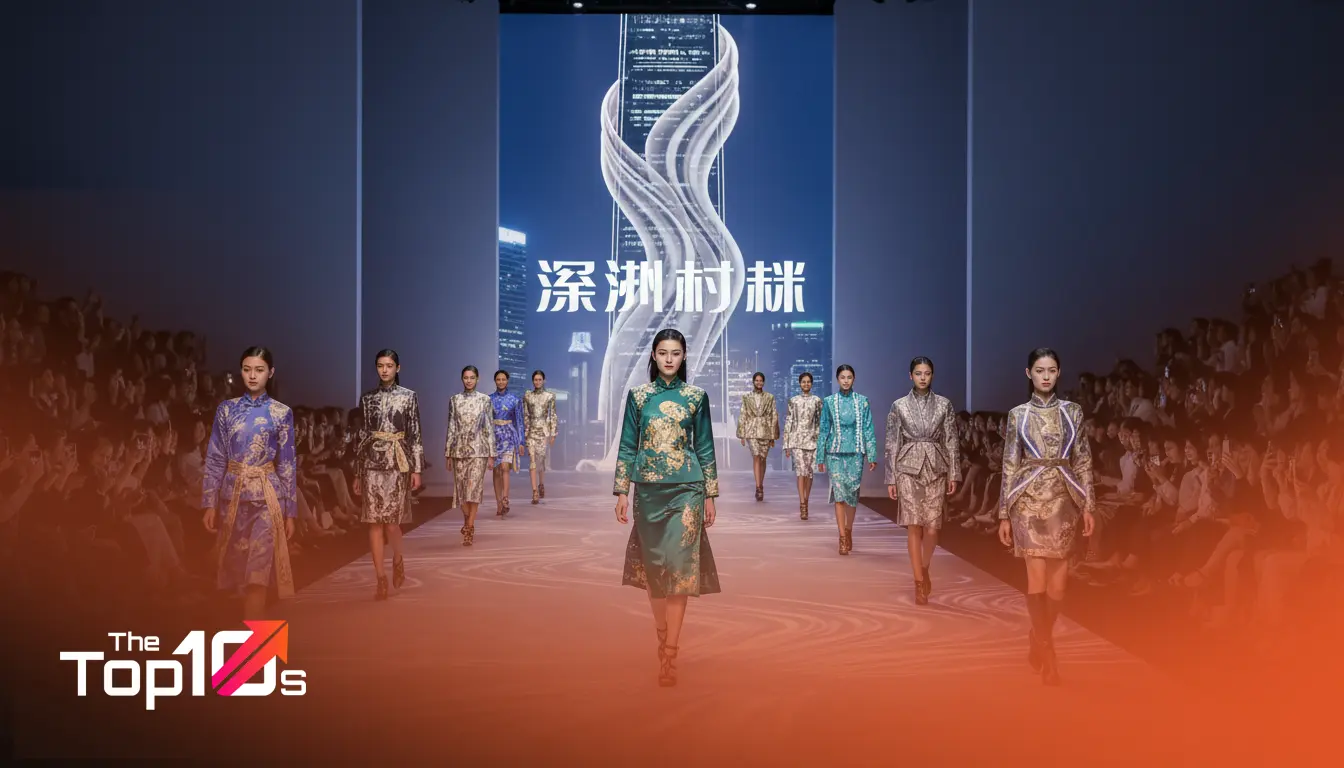
Quick Takeaways
- Design Capital: Shenzhen holds the UNESCO “City of Design” title, hosting over 2,000 fashion enterprises.
- Style Profile: The aesthetic leans towards high-end ready-to-wear, blending commercial viability with artistic expression.
- Key Hubs: Most top talent congregates around the Dalang Fashion Valley and Chegongmiao districts.
- Selection Vitality: Proximity to the supply chain is Shenzhen’s superpower; designers here execute concepts faster than almost anywhere else.
When you think of Shenzhen, your mind probably jumps straight to high-tech drones, heavy manufacturing, or the Silicon Valley of hardware. You might be surprised to learn that this metropolis is actually the beating heart of China’s high-end women’s wear industry. It isn’t just about factories anymore; it is about distinctive aesthetics and rapid innovation.
Here’s the thing: finding a creative partner in this city is different than looking in Paris or Milan. The energy here is electric and fast-paced. We are talking about a place where a sketch can become a sample in under 24 hours. But with thousands of brands and studios clamoring for attention, how do you distinguish the true artists from the mass producers?
Whether you are a retailer looking to stock the next big label, a brand owner seeking a creative director, or a fashion enthusiast curious about Eastern aesthetics, understanding the local talent pool is essential. The best fashion designers in Shenzhen don’t just draw clothes; they understand the intricate dance between fabric sourcing, pattern complexity, and market demand.
How We Identified Leading Fashion Designers
Selecting the top tier of talent in a city as dense as Shenzhen requires more than just looking at Instagram follower counts. We took a step back to analyze what actually contributes to a designer’s longevity and influence in this specific market.
Our approach focused on tangible signals of expertise. We looked for professionals who have consistently shown collections at major industry events like Shenzhen Fashion Week and China Fashion Week. Peer recognition plays a huge role here; winning the “Golden Top Award”—China’s highest fashion honor—is a strong indicator of capability.
Beyond awards, we examined their integration with the supply chain. A designer’s ability to manipulate materials is paramount. We favored those who have demonstrated a mastery of specific textiles, whether that is reviving ancient silk techniques or experimenting with futuristic synthetics. We also considered their commercial footprint. In Shenzhen, art often meets commerce, so we looked for designers who successfully helm established fashion houses or run thriving independent studios.
List of 10 Best Fashion Designers in Shenzhen
| SNO | Name | Best For |
|---|---|---|
| 1 | Zhao Huizhou (EACHWAY) | High-end ready-to-wear that emphasizes comfort without sacrificing elegance, cultural weight and sophisticated storytelling |
| 2 | Zhu Chongyun (Marisfrolg) | “Slow fashion” values executed on a grand scale, natural fibers and fluid shapes that respect the wearer’s body |
| 3 | Liang Zi (TANGY) | Eco-friendly luxury and textile innovation, organic, breathable designs |
| 4 | Luo Zheng | Pattern making and wearable ink paintings, flowy fabrics and asymmetrical cuts to create a sense of movement and tranquility |
| 5 | Deng Hao | Bold visuals, vibrant color palettes and intricate knitting techniques that resemble architectural structures |
| 6 | Liu Wei | Dramatic flair, evening wear and formal attire, use of “phantom” fabrics and illusionary prints |
| 7 | Xie Haiping | Tailoring, sharp, powerful silhouettes that command authority, incorporating dragon motifs and calligraphy into his work |
| 8 | Xing Qi (KIKC / Independent Projects) | Street style and high fashion, functional, durable, yet undeniably stylish designs |
| 9 | Ruan Shimian | Experimental and forward-thinking designs, avant-garde ideas that challenge the status quo |
| 10 | Yao Feng | Sophisticated and evening wear, formal attire, deep knowledge of western couture techniques applied within a local context |
Top 10 Fashion Designers in Shenzhen
The following individuals represent the spectrum of Shenzhen’s design capabilities, from heritage preservation to avant-garde structuralism.
1. Zhao Huizhou (EACHWAY)
Zhao Huizhou is often cited as a matriarch of the Shenzhen fashion scene. As the founder of EACHWAY, she has spent decades refining a style that feels deeply Chinese yet globally accessible. Her work frequently explores the concept of “intangible cultural heritage,” bringing traditional craftsmanship into modern wardrobes.
She specializes in high-end ready-to-wear that emphasizes comfort without sacrificing elegance. Her strength lies in her ability to deconstruct traditional Eastern silhouettes and rebuild them for the contemporary professional woman. If you are looking for designs that carry cultural weight and sophisticated storytelling, Zhao is a definitive reference point.
2. Zhu Chongyun (Marisfrolg)
While Marisfrolg is a massive commercial entity, Zhu Chongyun stands as its artistic soul. She approaches fashion design with the eye of an architect. Her work is characterized by clean lines, structural integrity, and a minimalist philosophy that speaks volumes through silence.
Zhu does not chase fleeting trends. Instead, she focuses on natural fibers and fluid shapes that respect the wearer’s body. Her expertise is best suited for those who appreciate “slow fashion” values executed on a grand scale. She demonstrates that commercial success does not require compromising artistic vision.
3. Liang Zi (TANGY)
Liang Zi is a pioneer in sustainable fashion, long before it became a buzzword. She is credited with rediscovering and popularizing Xiangyunsha (Gambiered Canton Gauze), a traditional silk fabric dyed with vegetable juice and river mud. Her dedication to this material has revived an entire supply chain.
Her designs are organic, breathable, and deeply connected to nature. She is the ideal designer for anyone interested in eco-friendly luxury and textile innovation. Liang Zi shows us that true luxury lies in the time and nature required to create the fabric itself.
4. Luo Zheng
A recipient of the Golden Top Award, Luo Zheng is known for her “Zen” aesthetic. Her designs often feel like wearable ink paintings, utilizing flowy fabrics and asymmetrical cuts to create a sense of movement and tranquility. She founded the brand OMNIALUO.
Luo’s expertise shines in her pattern making. She avoids rigid structures, preferring draping techniques that allow the fabric to interact naturally with the body. Her work appeals to a clientele that views fashion as a form of personal expression and spiritual alignment rather than just status.
5. Deng Hao
If you prefer bold visuals over minimalism, Deng Hao is the name to know. She is frequently referred to as the “Queen of Knitwear” in the region. Her work is instantly recognizable through its vibrant color palettes and intricate knitting techniques that resemble architectural structures.
Deng Hao treats knitwear as a canvas for storytelling, often incorporating motifs from Chinese architecture and gardens. Her designs are best suited for markets that appreciate maximalism, texture, and technical knitting prowess.
6. Liu Wei
Liu Wei is another heavy hitter who balances artistic creativity with commercial wearability. Known for her use of “phantom” fabrics and illusionary prints, she creates garments that look different depending on the angle and lighting.
She has a strong background in costume design which bleeds into her fashion collections, giving them a dramatic flair. Liu is an excellent example of a designer who understands stage presence, making her work ideal for clients who want to make an entrance.
7. Xie Haiping
Xie Haiping is a designer who wears his patriotism on his sleeve, often quite literally. He is famous for incorporating dragon motifs and calligraphy into his work, but he does so with a modern twist that prevents the designs from looking like costumes.
His strength is tailoring. He creates sharp, powerful silhouettes that command authority. This makes his design philosophy particularly appealing to the “power dressing” segment of the market—executives and public figures who need to project confidence.
8. Xing Qi (KIKC / Independent Projects)
Representing a younger, more urban energy, designers like Xing Qi focus on the intersection of street style and high fashion. While Shenzhen is known for ladies’ wear, the menswear and unisex sectors are growing, and designers in this bracket are leading the charge.
This aesthetic is often utilitarian, featuring pockets, straps, and tech-fabrics. It reflects the “Shenzhen speed” lifestyle—functional, durable, yet undeniably stylish. This is the go-to aesthetic for brands targeting Millennials and Gen Z.
9. Ruan Shimian
Ruan Shimian represents the academic-meets-industry approach. Often associated with the city’s growing fashion education sector, his work tends to be experimental and forward-thinking. He pushes boundaries regarding what materials can be used in garment construction.
His collections often serve as concept pieces that influence broader trends. For buyers or collaborators looking for fresh, avant-garde ideas that challenge the status quo, Ruan’s portfolio offers a glimpse into the future of Chinese design.
10. Yao Feng
Yao Feng is a veteran who bridges the gap between the runway and the classroom. As a prominent figure in Shenzhen’s fashion association, he influences not just trends but the designers of tomorrow. His personal design style is sophisticated and often revolves around the classic gown silhouette.
He excels in evening wear and formal attire. His designs demonstrate a deep knowledge of western couture techniques applied within a local context. He is a strong choice for those seeking formal elegance and red-carpet readiness.
What Defines a Great Fashion Designer in Shenzhen?
Understanding the local context is vital. A designer in Shenzhen operates differently than one in New York. The primary differentiator here is the proximity to the “world’s factory.” A great designer in this city creates with production in mind.
Mastery of Supply Chain
The best designers here do not just sketch; they source. They know exactly which mill in the Pearl River Delta can produce a specific jacquard and which factory in Dalang can handle complex embroidery. This connection reduces the gap between imagination and reality.
Fusion of Heritage and Innovation
You will notice a recurring theme of blending Eastern aesthetics with Western cutting techniques. The top talent understands that global consumers want quality and fit, but they also crave a unique narrative. The ability to subtly weave Chinese cultural elements—like the button knots or silk variations—into modern blazers or dresses is a hallmark of Shenzhen style.
Responsiveness to Market Speed
Shenzhen moves fast. A top-tier designer here possesses agility. They can pivot a collection based on real-time feedback. This is a commercial survival skill that has honed their creative instincts to be sharp and decisive.
How to Choose the Right Fashion Designer for Your Needs
Whether you are hiring a designer for your brand or looking to buy, the selection criteria should be rigorous. Here is how to navigate the decision.
Define Your Aesthetic vs. Their Strength
Don’t hire a minimalist architect like Zhu Chongyun if you want the colorful knitwear of Deng Hao. Review their past three collections. Do you see a consistent thread? A versatile designer is good, but a specialist is usually better for high-end results.
Assess Their Material Network
Ask about fabrics. A designer’s value is often tied to their library of suppliers. If you are interested in broader sourcing capabilities across the region, it is worth noting that many Shenzhen designers have deep connections with the top 10 fashion designers in Guangzhou and the massive textile markets located there. This regional connectivity can be a massive asset for your project.
Communication and Technical Packs
Creativity means nothing if it cannot be communicated to a factory. If you are hiring for a B2B relationship, ask to see a “Tech Pack” they have created previously. Is it detailed? Does it include measurement tolerances? The ability to document design is just as important as the design itself.
Studio vs. Individual
Decide if you need a “name” or a “team.” Working with a famous designer often means working with their studio assistants under their guidance. This is standard practice, but ensure you are comfortable with the level of direct access you will have to the principal creative.
Frequently Asked Questions
Is Shenzhen better for high-end fashion or mass market designs?
Shenzhen has successfully pivoted toward the high-end and “masstige” (prestige for the masses) markets. While mass manufacturing still happens, the local design talent is heavily focused on mid-to-high-range women’s wear.
Where are most fashion designers located in Shenzhen?
The creative hub is undoubtedly the Dalang Fashion Valley in the Longhua District. It is a government-supported cluster where many top designers have their headquarters, showrooms, and production facilities.
Can independent designers in Shenzhen handle small batch production?
Yes, and this is a major advantage of the city. Because the supply chain is hyper-local, many designers have relationships with smaller workshops that allow for lower Minimum Order Quantities (MOQs) compared to other industrial hubs.
Do Shenzhen designers speak English?
It varies. Designers with international education backgrounds are fluent. However, for deeper technical discussions regarding pattern making and production, having a translator or a local liaison is often recommended to avoid costly misunderstandings.
What is the “Shenzhen Style”?
While diverse, the “Shenzhen Style” generally refers to mature, elegant, and feminine aesthetics often targeted at career women. It prioritizes high-quality fabrics and wearable sophistication over extreme avant-garde experimentation.
Conclusion
Choosing a fashion designer in Shenzhen is about tapping into a unique ecosystem where speed meets sophistication. The designers listed above represent the pinnacle of this environment, each offering a different pathway to style—from the sustainable silks of Liang Zi to the architectural precision of Marisfrolg.
Don’t just look for a portfolio that looks good on a screen. Look for a partner who understands the fabric, the fit, and the future of the industry. Whether you are building a brand or curating a wardrobe, the talent in Shenzhen offers a powerful blend of artistic heritage and modern manufacturing might. Take the time to visit their showrooms in Dalang if you can; seeing the process in person will tell you more than any lookbook ever could.