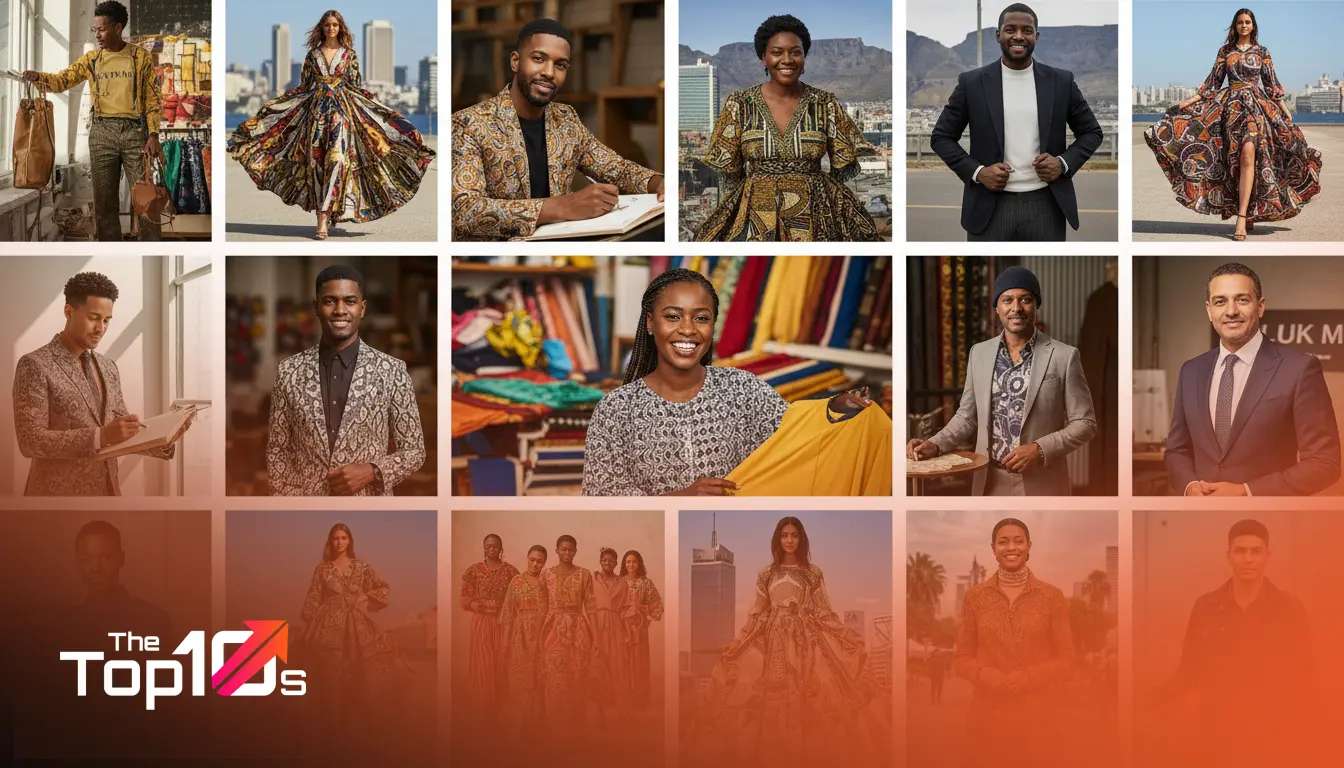
Walk through the streets of Johannesburg’s Maboneng Precinct or stroll along Cape Town’s V&A Waterfront, and you notice something immediately: South Africans don’t just wear clothes; they curate identities. The local fashion scene has exploded well beyond the “curio shop” stereotypes of the past, evolving into a sophisticated powerhouse of global influence, luxury craftsmanship, and storytelling that commands respect on runways from New York to Paris.
You might be looking for a bespoke wedding ensemble, ready-to-wear office attire that makes a statement, or simply want to understand who is driving the aesthetic conversation on the continent. Finding the right creative partner is about more than just a label on a garment. It involves finding a designer whose philosophy on sustainability, textile innovation, and silhouette aligns with your personal narrative.
The following guide breaks down the most influential figures in the industry today. We aren’t just listing names; we are examining the distinct signatures that make these designers the top fashion designers in South Africa.
Quick Takeaways
- Global Recognition: Many listed designers have won international accolades, including the LVMH Prize.
- Heritage Meets Modernity: Expect a strong focus on reinterpreting traditional African aesthetics for a contemporary, global audience.
- Sustainability Focus: A significant portion of top talent prioritizes slow fashion, ethical sourcing, and local production.
- Diverse Offerings: The list ranges from avant-garde couture to accessible luxury and streetwear.
How We Identified Leading Fashion Designers
Selecting the premier talent in a country as culturally diverse as South Africa requires a nuanced approach. We moved beyond simple popularity contests to analyze the substance behind the brand. Our selection process focused on consistency in creative output and the tangible impact each designer has made on the local and international stage.
We looked for professionals who demonstrate a mastery of garment construction. A pretty sketch means nothing if the final product doesn’t fit or hold up to wear. We also prioritized distinct design languages—creatives who have carved out a unique niche rather than chasing fleeting micro-trends.
Finally, we considered the longevity and professional standing of their labels. Whether they run a boutique studio or a large-scale fashion house, these designers have proven they understand the business of fashion, ensuring clients receive professionalism alongside creativity.
List of 10 Best Fashion Designers in South Africa
| SNO | Name | Best For |
|---|---|---|
| 1 | Thebe Magugu | The intellectual fashionista who wants garments that serve as conversation starters and investment pieces. |
| 2 | David Tlale | Clients needing a show-stopping gown for a gala, wedding, or high-profile event. |
| 3 | Laduma Ngxokolo (MaXhosa Africa) | Those who value heritage, color, and premium natural fibers. |
| 4 | Rich Mnisi | The trend-conscious buyer who isn’t afraid of color or blurring gender lines. |
| 5 | Sindiso Khumalo | The eco-conscious consumer looking for romantic, feminine pieces with a low carbon footprint. |
| 6 | Gert-Johan Coetzee | Brides and public figures who require flawless tailoring and high-octane glamour. |
| 7 | Lukhanyo Mdingi | Lovers of “quiet luxury” who prioritize fabric quality and comfort over logos. |
| 8 | Lezanne Viviers (VIVIERS Studio) | Art collectors and individuals who view their wardrobe as an extension of their creative expression. |
| 9 | Wanda Lephoto | Men (and women) seeking sharp tailoring that feels modern, culturally relevant, and cool. |
| 10 | Thula Sindi | The professional woman building a reliable, chic capsule wardrobe. |
Top 10 Fashion Designers in South Africa
Here are the creatives currently shaping the visual landscape of Southern Africa, ranging from industry veterans to trailblazing innovators.
1. Thebe Magugu
Few names have resonated as loudly in recent years as Thebe Magugu. Based in Johannesburg, Magugu made history as the first African designer to win the prestigious LVMH Prize. His work is intellectual and deeply rooted in South African history, often functioning as a commentary on social issues while remaining incredibly wearable.
Specialization: Contemporary women’s ready-to-wear (with recent expansion into menswear).
Experience: Established in 2016.
Notable Strengths: Magugu creates “encyclopedic” fashion. His collections often come with zines or academic references. The clothes feature sharp tailoring, unexpected asymmetrical cuts, and custom prints that tell a story about life in South Africa.
Best For: The intellectual fashionista who wants garments that serve as conversation starters and investment pieces.
2. David Tlale
If you are looking for drama, opacity, and unapologetic luxury, David Tlale is the undisputed heavyweight. With a career spanning two decades, his brand has become synonymous with African couture. He is known for showmanship, often staging fashion shows on bridges or historical landmarks rather than traditional runways.
Specialization: High-end couture and bridal.
Experience: Over 20 years.
Notable Strengths: His ability to manipulate fabric is legendary. Tlale uses complex draping, bold textures, and dramatic silhouettes that demand attention. He rarely plays it safe, making him a favorite for red carpet events.
Best For: Clients needing a show-stopping gown for a gala, wedding, or high-profile event.
3. Laduma Ngxokolo (MaXhosa Africa)
Laduma Ngxokolo revolutionized South African knitwear. Starting with a desire to create modern knitwear suitable for Xhosa initiates (Amakrwala), he built MaXhosa Africa into a global luxury brand. His designs are instantly recognizable, often compared to Missoni but with a distinctly African DNA.
Specialization: Luxury knitwear and lifestyle (homeware).
Experience: Established in 2012.
Notable Strengths: Ngxokolo creates his own textiles using locally sourced mohair and wool. The geometric patterns are reinterpretations of traditional beadwork, translating heritage into modern, functional garments that work in New York winters or Johannesburg autumns.
Best For: Those who value heritage, color, and premium natural fibers.
4. Rich Mnisi
Rich Mnisi represents the pulse of pop culture. His multidisciplinary brand is fluid, vibrant, and defies rigid categorization. Mnisi has collaborated with global giants like Adidas and Coca-Cola, proving his aesthetic has mass appeal without losing its avant-garde edge.
Specialization: Gender-fluid contemporary fashion and furniture design.
Experience: Established in 2015.
Notable Strengths: His work is characterized by clash-print aesthetics, bold coloring, and structured silhouettes that borrow from the 70s and 80s while feeling futuristic. He excels at creating “it” items that flood social media feeds.
Best For: The trend-conscious buyer who isn’t afraid of color or blurring gender lines.
5. Sindiso Khumalo
For those who prefer a softer, more nostalgic approach to luxury, Sindiso Khumalo offers a compelling vision. A finalist for the LVMH Prize, her work is heavily focused on sustainability and female empowerment. Based in Cape Town, her architectural background influences her precise construction.
Specialization: Sustainable womenswear and textiles.
Experience: Established in 2014.
Notable Strengths: Khumalo designs her own textiles using watercolors and collage, which are then screen-printed. Her silhouettes often reference the turn of the 20th century, featuring collars and ruffles, yet they remain modern through bold prints and ethical production methods.
Best For: The eco-conscious consumer looking for romantic, feminine pieces with a low carbon footprint.
6. Gert-Johan Coetzee
When international celebrities like Cardi B or Oprah Winfrey visit South Africa, or when local stars need a gown, they call Gert-Johan Coetzee. He understands the mechanics of celebrity and glamour better than almost anyone in the industry.
Specialization: Red carpet couture, bridal, and high-end ready-to-wear.
Experience: Over 15 years.
Notable Strengths: Coetzee is a master of embellishment. Whether it is Swarovski crystals, intricate beading, or feathers, he knows how to catch the light. His garments are engineered to photograph perfectly.
Best For: Brides and public figures who require flawless tailoring and high-octane glamour.
7. Lukhanyo Mdingi
Lukhanyo Mdingi brings a quiet, soulful intensity to fashion. His label is built on the premise of “The Human Spirit,” focusing heavily on collaboration with artisans and weavers. The result is clothing that feels organic, tactile, and incredibly luxurious in an understated way.
Specialization: Menswear and womenswear essentials.
Experience: Established in 2015.
Notable Strengths: Texture is king in Mdingi’s work. He utilizes mohair, felt, and woven cottons to create pieces that feel rich to the touch. The silhouettes are generally relaxed and lounge-leaning but constructed with rigorous attention to detail.
Best For: Lovers of “quiet luxury” who prioritize fabric quality and comfort over logos.
8. Lezanne Viviers (VIVIERS Studio)
Lezanne Viviers operates at the intersection of art and fashion. Her brand, VIVIERS Studio, treats clothing as collectible artifacts. She is a strong proponent of using deadstock fabrics and repurposing materials to create limited-edition garments.
Specialization: Artisanal luxury and bespoke conceptual wear.
Experience: Launched VIVIERS in 2019 (with extensive prior industry experience).
Notable Strengths: Her design process is highly intuitive and sensory. Garments often feature exposed seams, raw edges, and unexpected mix-media elements. Each piece feels like it has a distinct personality.
Best For: Art collectors and individuals who view their wardrobe as an extension of their creative expression.
9. Wanda Lephoto
Wanda Lephoto fuses streetwear sensibilities with cultural commentary. He explores the nuances of identity, looking at how the past influences the present through the lens of workwear, tailoring, and thrift culture.
Specialization: Menswear and fusion streetwear.
Experience: Established in 2016 (co-founder of The Sartists).
Notable Strengths: Lephoto is exceptional at tailoring. He takes classic silhouettes—like the trench coat or the two-piece suit—and subverts them with cultural references or specific fabric choices that speak to the South African lived experience.
Best For: Men (and women) seeking sharp tailoring that feels modern, culturally relevant, and cool.
10. Thula Sindi
While many designers focus on the runway, Thula Sindi focuses on the wardrobe of the modern woman. He creates clothes that are meant to be worn to the office, to dinner, and in daily life, without sacrificing elegance.
Specialization: Sophisticated ready-to-wear.
Experience: Established in 2006.
Notable Strengths: Commercial viability and fit. Sindi understands the female form and creates clothing that flatters various body types. His designs are timeless, relying on classic elegance rather than shock value.
Best For: The professional woman building a reliable, chic capsule wardrobe.
What Defines a Great Fashion Designer in South Africa?
The South African fashion landscape is unique because it sits at a crossroads. A truly great designer here doesn’t just copy European trends; they synthesize them with local flavor. It is about the ability to translate the vibrancy of African heritage—be it through Shweshwe prints, beadwork, or color theory—into garments that appeal to a global audience.
Fabric sourcing plays a massive role. South Africa is a leading producer of mohair and cotton. The top designers distinguish themselves by how they utilize these local resources. Furthermore, the relationship between client and designer is often more intimate here than in other markets. Greatness is defined by the ability to listen to a client’s needs while maintaining a strong, uncompromising directorial voice.
You can find more on this page regarding local textile sourcing and design inspiration.
How to Choose the Right Fashion Designer for Your Needs
Selecting a designer is an investment of both time and money. Before you commit to a consultation or a purchase, consider the following factors to ensure the partnership yields the best results.
Assess Your Lifestyle Requirements
Are you buying for a fantasy life or your actual life? While David Tlale’s drama is breathtaking, it might not suit a corporate boardroom. Be realistic about where you will wear the garment. If you need versatility, look toward designers like Thula Sindi or Thebe Magugu.
Understand the Timeline
Unlike fast fashion, designer wear—especially bespoke or made-to-order—takes time. A custom dress from a studio like VIVIERS or Gert-Johan Coetzee can take weeks or even months depending on the complexity. Always ask about lead times upfront to avoid stress before a big event.
Evaluate the “Hand” of the Brand
Look at the portfolio. Does the designer excel at structure and tailoring (suits, coats), or are they better at draping and fluid shapes (silk dresses)? Don’t ask a designer known for rigid, architectural streetwear to make a flowing, romantic chiffon gown. Play to their strengths.
Frequently Asked Questions
Is South African designer clothing expensive?
Pricing varies significantly. Ready-to-wear items from younger contemporary brands might start around R1,500 ($80), while bespoke couture gowns from established names can easily range from R30,000 to R100,000+ depending on the intricacy and materials used.
Do these designers ship internationally?
Yes, most of the top fashion designers in South Africa have adapted to a global market. Brands like MaXhosa and Thebe Magugu have international e-commerce distribution. However, for bespoke items, you may need to visit their studio in person for fittings.
Can I get custom designs from these brands?
Designers like David Tlale, Gert-Johan Coetzee, and Lezanne Viviers specialize in bespoke services. Ready-to-wear focused brands like Rich Mnisi or Lukhanyo Mdingi typically sell seasonal collections, though they may accept special commissions for high-profile clients.
Where are these designers based?
The industry is primarily split between Johannesburg (the commercial hub) and Cape Town (the creative/textile hub). Johannesburg tends to host more of the high-energy, commercial brands, while Cape Town is often home to sustainable and resort-wear focused studios.
Is South African fashion sustainable?
Sustainability is a major focus for many local designers. Because the local industry is smaller than in the US or Europe, production runs are smaller (slow fashion), and there is a strong culture of ethical labor and utilizing locally sourced natural fibers.
Next Steps for Your Wardrobe
South African fashion offers a richness that is hard to replicate elsewhere. It is bold, storied, and increasingly influential. Whether you are looking to invest in a heritage knitwear piece from MaXhosa or a power suit from Thebe Magugu, the talent listed above represents the pinnacle of African luxury.
Don’t just browse online; if you can, visit their boutiques or pop-up events. Feel the fabrics and talk to the teams behind the brands. Building a relationship with a designer can transform not just your closet, but the way you present yourself to the world.