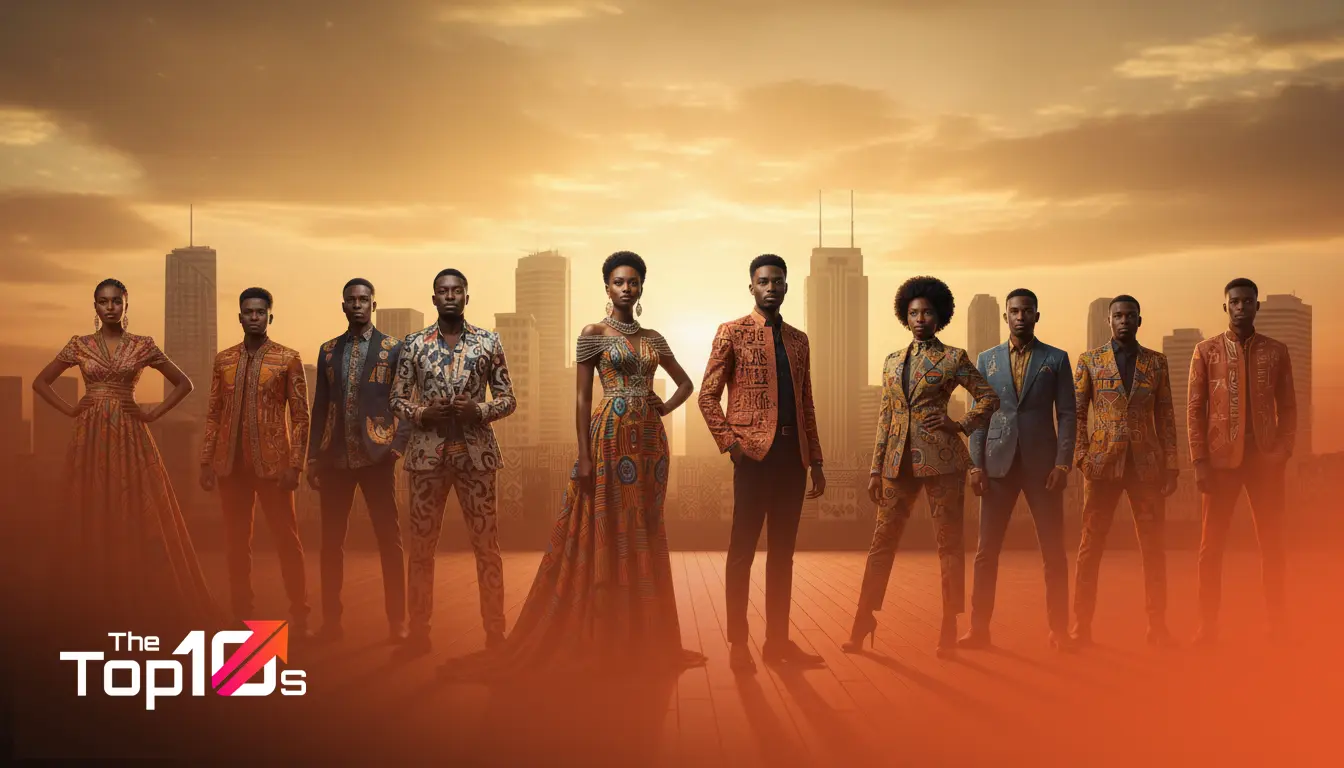
- Diverse Aesthetics: The industry ranges from ultra-luxury bespoke suiting to vibrant, Swahili-coastal fusion.
- The “Made in Tanzania” Stamp: Leading designers prioritize local craftsmanship, often utilizing fabrics like Kitenge and Khanga in modern cuts.
- Location Matters: Most top-tier ateliers are concentrated in Dar es Salaam (Masaki, Mikocheni) and Stone Town, Zanzibar.
- Consultation is Key: Unlike fast fashion, working with these pros usually requires a collaborative fitting process.
Walking through the streets of Dar es Salaam or the winding alleys of Stone Town, you quickly realize that style here isn’t just about covering up; it’s a language. The energy is palpable, shifting from the sharp, bespoke suits of the corporate world to the flowing, intricate designs seen at weddings and galas. If you are looking for the best fashion designers in Tanzania, you aren’t just looking for someone who can sew. You are looking for a visionary who understands the heat, the culture, and the distinct personality of the wearer.
Finding the right creative partner to execute your wardrobe vision can be tricky. The industry here has grown rapidly over the last decade, moving from simple tailoring shops to fully fledged fashion houses that command international runways. But how do you separate the hobbyists from the true masters of the craft?
It comes down to consistency, finish, and vision. Whether you need a red-carpet look for an awards show or a capsule collection for your boutique, the talent pool in East Africa is deep. We have curated a list of professionals who define the current sartorial standard in the region, helping you make an informed choice for your next sartorial investment.
How We Identified Leading Fashion Designers
Selecting the top tier of talent requires looking beyond Instagram follower counts. While social proof is helpful, it doesn’t always translate to garment quality. To compile this list of experienced fashion design professionals in Tanzania, we analyzed several critical performance indicators that matter most to clients.
We looked at longevity in the industry. Fashion is notoriously volatile; designers who have maintained a studio and delivered consistent collections over five to ten years demonstrate operational stability. We also evaluated their participation in major industry benchmarks, such as Swahili Fashion Week. This isn’t just about prestige; it shows a capability to produce cohesive collections under pressure.
Furthermore, we assessed the range of their portfolios. The most trusted fashion designers near Tanzania demonstrate versatility—mastering fabric manipulation, understanding different body types, and maintaining high standards in stitching and finishing. Finally, we listened to the market. Reputation in Dar es Salaam travels fast by word of mouth, and positive client feedback regarding timeliness and professionalism played a massive role in these selections.
List of 10 Best Fashion Designers in Tanzania
| SNO | Name | Best For |
|---|---|---|
| 1 | Mustafa Hassanali | Haute Couture and Evening Wear |
| 2 | Sheria Ngowi | Bespoke Menswear and Luxury Suiting |
| 3 | Doreen Mashika | Luxury Ready-to-Wear and Accessories |
| 4 | Martin Kadinda | Menswear and Androgynous Cuts |
| 5 | Jamilla Vera Swai | Contemporary Womenswear and Afro-chic |
| 6 | An Nisa (Fatmah) | Modest Fashion and Abayas |
| 7 | Kiki Zimba | Avant-Garde and Afro-Fusion |
| 8 | Eshaa Buhet | Glamour and Evening Wear |
| 9 | Lucky Creations (Lucky Peter) | Contemporary Menswear |
| 10 | Diana Magesa | Conceptual Fashion and Illustration-based Design |
Top 10 Fashion Designers in Tanzania
These ten individuals represent the pinnacle of Tanzanian creativity, each bringing a distinct flavor to the East African fashion narrative.
1. Mustafa Hassanali
You cannot discuss Tanzanian fashion without starting here. A medical doctor by profession and a designer by passion, Mustafa Hassanali is arguably the most recognized name in the industry. He is the founder of Swahili Fashion Week, which practically birthed the modern infrastructure for designers in the country.
Specialization: Haute Couture and Evening Wear.
Experience: Over 20 years.
Notable Strengths: Hassanali is known for his dramatic flair. His work often features intricate beadwork, flowing chiffons, and structural elements that turn heads. He treats fashion as art, often incorporating Pan-African themes into his high-glamour gowns.
Best Suited For: Clients needing a show-stopping gown for a gala, red carpet event, or high-profile wedding.
2. Sheria Ngowi
Sheria Ngowi represents the epitome of the modern African gentleman. With a background in law, his transition to fashion brought a sense of structure and exacting standards to menswear in Tanzania. His brand commands respect across the continent, often dressing heads of state and A-list celebrities.
Specialization: Bespoke Menswear and Luxury Suiting.
Experience: 15+ years.
Notable Strengths: His understanding of the male silhouette is unmatched locally. He focuses heavily on classic tailoring rules—lapel width, trouser breaks, and shoulder fits—while introducing bold colors and patterns that defy conservative norms.
Best Suited For: Grooms, corporate executives, and men who appreciate Savile Row quality with an African touch.
3. Doreen Mashika
Based in Zanzibar, Doreen Mashika has successfully bridged the gap between high fashion and retail accessibility. Her brand is a celebration of island life, merging traditional motifs with contemporary, wearable designs. She has managed to create a label that feels globally relevant while remaining deeply rooted in Zanzibari culture.
Specialization: Luxury Ready-to-Wear and Accessories.
Experience: 15+ years.
Notable Strengths: Mashika excels in using Kanga and Kitenge prints in ways that feel modern rather than costume-like. Her accessories line, particularly handbags and shoes, complements her apparel perfectly, offering a full lifestyle brand experience.
Best Suited For: The modern woman looking for chic resort wear, sophisticated casual outfits, or unique accessories.
4. Martin Kadinda
Martin Kadinda gained fame as the go-to stylist and designer for Tanzania’s celebrity elite, particularly Wema Sepetu and other Bongo movie stars. He has a unique ability to predict trends before they hit the mainstream streets of Dar es Salaam.
Specialization: Menswear and Androgynous Cuts.
Experience: 12+ years.
Notable Strengths: Known for his “single button” suits and sharp, slim-fit aesthetics. Kadinda isn’t afraid to experiment with asymmetrical cuts or unusual fabric pairings, making his work instantly recognizable.
Best Suited For: Individuals who want to make a bold statement and aren’t afraid of standing out in a crowd.
5. Jamilla Vera Swai
If color had a queen in Tanzania, it would be Jamilla Vera Swai. Her designs are vibrant, energetic, and full of life. She has been a staple on the runway for years, consistently delivering collections that mix playfulness with serious construction skills.
Specialization: Contemporary Womenswear and Afro-chic.
Experience: 15+ years.
Notable Strengths: She has a fantastic eye for mixing prints. Where others might clash, Swai creates harmony. Her designs often appeal to a youthful, energetic demographic but are constructed with the precision of a seasoned veteran.
Best Suited For: Women who love color, prints, and outfits that reflect a joyous personality.
6. An Nisa (Fatmah)
An Nisa has been pivotal in revolutionizing the modest fashion scene in East Africa. The brand proves that modesty does not mean compromising on style. Fatmah’s designs are elegant, flowing, and incredibly sophisticated, catering to a large demographic that was previously underserved by mainstream high fashion.
Specialization: Modest Fashion and Abayas.
Experience: 10+ years.
Notable Strengths: Her fabric selection is superb, often utilizing high-quality silks and crepes that drape beautifully. The embellishments are subtle yet luxurious, focusing on class rather than flash.
Best Suited For: Women seeking elegant, modest attire for weddings, Eid celebrations, or formal gatherings.
7. Kiki Zimba
Kiki Zimba is known for bringing drama and narrative to her collections. A designer who leans into the theatrical, her work often feels like it belongs in a high-editorial magazine spread. She utilizes bold accessories and structural garments to create a strong visual impact.
Specialization: Avant-Garde and Afro-Fusion.
Experience: 10+ years.
Notable Strengths: Zimba is excellent at styling and total look creation. She doesn’t just design a dress; she designs a persona. Her use of indigenous materials in non-traditional ways sets her apart.
Best Suited For: Fashion-forward clients willing to take risks and experiment with silhouette and texture.
8. Eshaa Buhet
A favorite among Tanzanian celebrities for red carpet appearances, Eshaa Buhet understands the female form exceptionally well. Her designs are often body-conscious, celebrating curves with intricate detailing and luxurious fabrics.
Specialization: Glamour and Evening Wear.
Experience: 8+ years.
Notable Strengths: She excels in drapery and fit. Her gowns often feature mermaid silhouettes and detailed bodice work that requires minimal foundation garments because the structure is built in.
Best Suited For: Brides and attendees of high-profile social events looking for “glam” aesthetics.
9. Lucky Creations (Lucky Peter)
Rising through the ranks to become a powerhouse in menswear, Lucky Peter offers a fresh perspective on the classic suit. His approach bridges the gap between strict formal wear and the more relaxed, creative attire preferred by younger professionals.
Specialization: Contemporary Menswear.
Experience: 8+ years.
Notable Strengths: His fit is impeccable. Lucky pays close attention to the “break” of the pant and the taper of the jacket. He is also known for excellent customer service and turnaround times.
Best Suited For: Young professionals and groomsmen looking for modern, sharp tailoring.
10. Diana Magesa
Diana Magesa brings a highly artistic approach to her work. Often incorporating hand-painted elements or architectural structures, her designs are intellectual and visually stimulating. She represents the new wave of designers who view fashion as a canvas.
Specialization: Conceptual Fashion and Illustration-based Design.
Experience: 7+ years.
Notable Strengths: Her strength lies in concept development. Each collection tells a clear story. She is also strong in sustainable practices, often minimizing waste in her pattern cutting.
Best Suited For: Clients who appreciate fashion as art and want unique, conversation-starting pieces.
What Defines a Great Fashion Designer in Tanzania?
Identifying talent in this region goes beyond just looking at a sketch. The local context presents unique challenges—from sourcing authentic zippers to dealing with humidity—that a great designer must navigate. A truly skilled professional in Tanzania understands the balance between traditional identity and global trends.
Fabric knowledge is the first major indicator. The market is flooded with varying qualities of fabrics. A top-tier designer knows the difference between a wax print that will fade after one wash and premium cotton that softens with time. They know how to line a suit so it breathes in the Dar es Salaam heat, rather than trapping sweat.
Communication style is equally defining. The “fundi” (tailor) culture in Tanzania is infamous for missed deadlines. However, professional designers operate differently. They provide sketches, hold fittings, and adhere to production schedules. They don’t just take orders; they offer consultation on what shapes suit your body type and what colors complement your skin tone.
How to Choose the Right Fashion Designer for Your Needs
Before you commit to a deposit, you need to ensure the designer’s aesthetic aligns with your requirements. A specialist in bridal gowns might not be the best choice for a corporate power suit. Here is a framework to help you decide.
Review Their Portfolio Carefully
Don’t just look at the professional photoshoot images. Look for photos of real clients. Professional models make everything look good, but real client photos show how the designer handles different body shapes and sizes. Look for the fit around the shoulders and the hemline finish.
Discuss Timelines Early
Tanzanian social calendars are packed, especially during wedding season (roughly August to December). Good designers get booked out months in advance. Be transparent about your deadline. If you need an outfit for a specific date, add a buffer of at least two weeks for final adjustments.
Understand the Sourcing Process
Ask if the designer provides the fabric or if you need to source it. Some designers, like Sheria Ngowi or Mustafa Hassanali, have their own fabric sources or exclusive prints. Others may require you to bring the material. For more fashion industry insights and tips on material sourcing, it helps to ask where they procure their textiles.
Budget for Quality
Custom fashion is labor-intensive. You are paying for the pattern making, the cutting, the fittings, and the brand value. Be realistic about your budget. If a quote seems too good to be true, the compromise is usually in the lining or the stitch quality.
Frequently Asked Questions
How much does a custom bespoke suit cost in Tanzania?
Prices vary significantly based on the fabric and the designer’s reputation. Generally, a high-quality bespoke suit from a top-tier designer can range anywhere from 400,000 TZS to over 2,000,000 TZS. It is best to request a consultation for an accurate quote.
Do I need to make an appointment to visit these designers?
Yes, for the designers listed above, appointments are standard. Unlike walk-in tailoring shops, these professionals run design studios. Booking a slot ensures you get their undivided attention for measurements and design consultation.
Can these designers work with international clients remotely?
Many top Tanzanian designers are accustomed to working with the diaspora or international clients. They will typically require you to send specific measurements (often guiding you via video call) and can ship the finished garments via DHL or FedEx.
What is the difference between a “Fundi” and a Fashion Designer?
A “Fundi” is typically a tailor who executes instructions you provide, often copying a picture you show them. A Fashion Designer creates a concept, understands textile science, advises on styling, and oversees the technical construction to ensure a perfect fit and original look.
Is sustainable fashion growing in Tanzania?
Absolutely. Many designers are returning to slow fashion principles, using locally woven cotton, natural dyes, and upcycling techniques to reduce waste, driven by both environmental concerns and a desire to support local textile industries.
Next Steps for Your Wardrobe
Elevating your style is an investment in your personal brand. The designers listed here represent the best of Tanzanian creativity, capable of delivering world-class garments right here in East Africa.
To move forward, identify the two or three designers who resonate most with your personal aesthetic. Visit their Instagram pages to see their latest work, and reach out to schedule a consultation. Remember, the best results come from a collaborative relationship where you trust the designer’s expertise. Don’t wait until the last minute—great craftsmanship takes time.